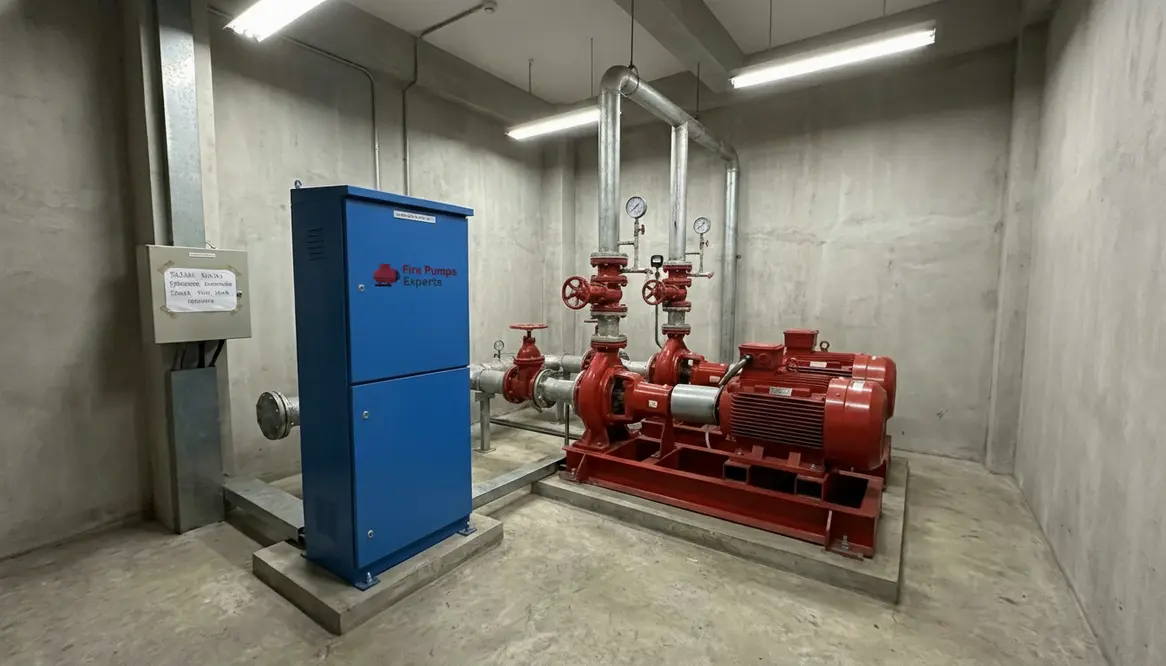
Indonesia Fire Pump Room Requirements Guide
Indonesia Fire Pump Room Requirements Overview
When I look at an Indonesia room built for fire pump equipment, I do not see a simple utility space. I see the quiet heartbeat of a commercial building’s fire protection plan. If the sprinkler system is the body, the fire pump room is the lungs. It must work fast, stay reliable, and never act like a diva when pressure drops. In large commercial and industrial properties, that matters more than a polished lobby and, frankly, far more than the office coffee machine that only works on Tuesdays.
In Indonesia, fire pump room requirements shape how I plan safety, access, power, ventilation, and water supply. These rules help protect major property buildings, industrial facilities, warehouses, and other high risk sites. So, if I want a system that performs when seconds matter, I need to treat the pump room like critical infrastructure, not a back room nobody visits until something smells hot.
What I check first in a fire pump room
First, I make sure the room supports the pump system without delay or confusion. The space must stay dedicated to fire protection equipment. I do not mix it with storage, work benches, or random boxes from a long forgotten delivery. That kind of clutter turns a fire pump room into a storage closet with ambition, and nobody wants that.
I also look for easy access. Emergency crews and maintenance staff must reach the room quickly. Therefore, I keep doors clear, paths open, and the layout simple. In commercial and industrial sites, I also make sure the room sits in a protected area with enough separation from other risks. If the pump room fails, the building loses a major layer of defense.
Key checks I always prioritize
- Dedicated use for fire pump equipment only
- Easy access for maintenance and emergency response
- Protection from flooding, heat, and physical damage
- Enough space around pumps, controllers, and valves
How I design an Indonesia room for fire pump safety
When I design an Indonesia room for fire pumps, I focus on function before style. The room needs proper floor strength because pumps can vibrate and equipment can weigh a lot. I also pay attention to drainage. Water should not sit on the floor like it owns the place. A dry room gives me better equipment life and easier inspection.
Ventilation matters too. Fire pumps and controllers create heat, so I need airflow that keeps the room stable. At the same time, I avoid anything that lets smoke, dust, or outside contaminants build up. In hot climates, this becomes even more important. I want the pump room to stay calm under pressure, not turn into a sauna with wiring.
I also keep lighting strong and switches easy to reach. Good visibility helps during inspection, testing, and emergencies. As a result, crews can spot leaks, read gauges, and move safely. That kind of planning sounds basic, but basic is often what saves a building when the bad day arrives.
Which equipment and systems I include
Inside the fire pump room, I place the full system needed to support fire suppression. For commercial and industrial properties, that usually means a main fire pump, jockey pump, controllers, valves, piping, and related alarm parts. I also make sure the water supply can support the system demand. Without enough water, even a strong pump becomes a very expensive paperweight.
Core layout zones I rely on
- Pump side: main pump, jockey pump, motor or engine driver
- Control side: controllers, alarms, pressure switches, gauges
- Water side: suction line, discharge line, tank or supply source
- Support side: ventilation, lighting, drainage, access path
I also make sure the piping layout keeps pressure loss low and service work practical. If someone needs to test or repair a part, they should not need the map skills of a superhero sidekick. Clear access saves time and reduces shutdown risk.
Why testing and maintenance keep the room ready
I never treat installation as the finish line. I treat it as the start of responsibility. Fire pump rooms in major properties need routine testing, inspection, and maintenance. That includes checking pressure, pump start performance, controller function, water levels, valves, and alarms. If I skip these steps, small issues can grow quietly until they become major failures.
For industrial facilities, this becomes even more serious because dust, vibration, heavy use, and process risk can all affect the system. Therefore, I keep a clear maintenance schedule and log every test. This helps me spot trends before they become trouble. It also gives building owners proof that the system stays ready, which is useful when auditors come calling with their clipboard confidence.
If I need deeper support, I review industry guidance from fire pump specialists and compare it with local compliance needs. A useful resource is commercial fire pump room solutions for industrial and major properties, especially when I want to align system design with real site demands.
Indonesia room FAQ for commercial buildings
When I set up an Indonesia room for fire protection, questions always come up around purpose, space, and upkeep. These quick answers help keep expectations clear and designs practical.
Bringing it all together
If I want a fire pump room that truly protects a commercial or industrial property in Indonesia, I start with the right layout, the right equipment, and the right maintenance plan. Then I keep it simple, clear, and ready for action. When I treat an Indonesia room as mission-critical infrastructure instead of forgotten back-of-house space, the entire fire protection strategy becomes stronger.
If you are planning a new installation or reviewing an existing system, now is the time to act. Build the room with purpose, check it with care, and let your fire protection system do its job when it matters most.