Philippines Fire Pump Testing and Maintenance Guide
When I talk about Philippines testing for fire pumps, I am talking about more than a box to check. I am talking about a life safety system that must work when the heat is on, and yes, I mean that literally. In commercial and industrial facilities, plus major property buildings, a fire pump can be the quiet hero in the background. Most days, it just sits there looking innocent. Then one bad day comes along, and suddenly everyone wants it to act like Batman.
That is why I take fire pump testing and maintenance seriously. In the Philippines, where heavy use, humidity, and power issues can push systems hard, a clear plan matters. So in this guide, I will walk through what I check, why I check it, and how I keep a fire pump ready for action without turning the process into a mystery novel.
What I check first during fire pump testing
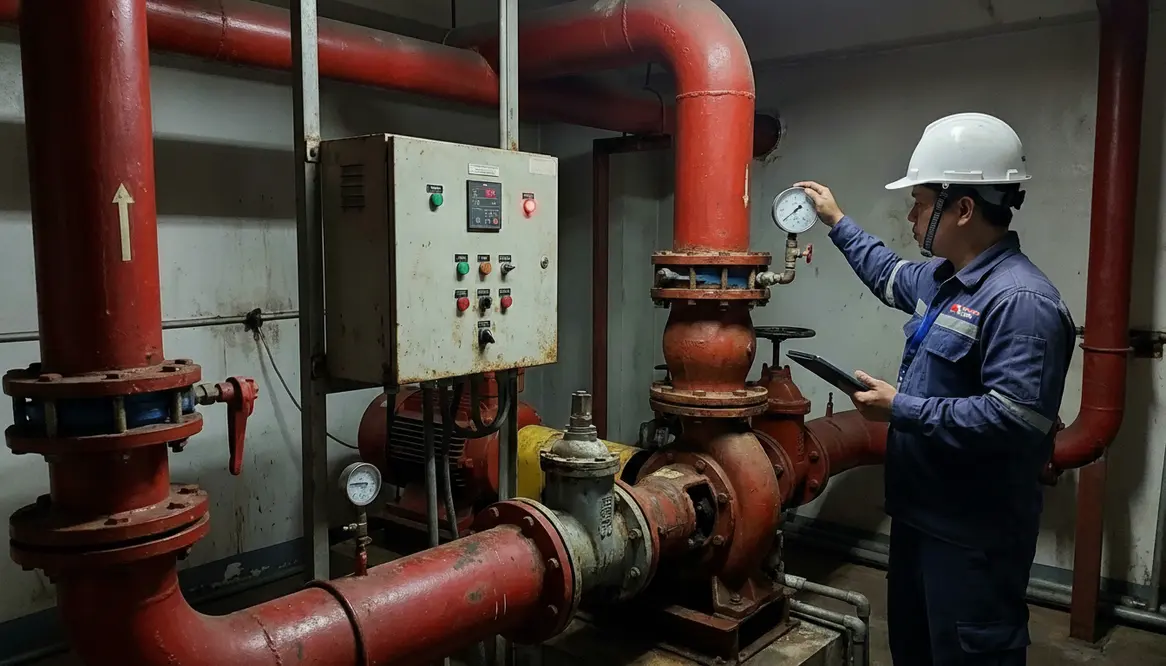
I always start with the basics, because the basics tell the truth. I inspect the pump room, the controller, the suction and discharge lines, the power source, and the fuel supply if the unit is diesel driven. Then I look for leaks, loose fittings, rust, heat damage, and odd noise. Small problems often show up before big ones. That is the gift, and the curse, of equipment. It whispers before it screams.
I also confirm that valves are in the correct position and that the pump has a proper water source. After that, I test the automatic start feature. If the system does not start when pressure drops, then the whole point of the setup begins to wobble. In commercial and industrial sites, I do not wait for a failure to make the schedule for me. That would be a terrible manager, and a worse fire plan.
Philippines testing schedule for reliable operation
Consistency matters more than drama. For most sites, I use a routine that includes weekly, monthly, and annual checks. Weekly testing helps me spot sudden issues. Monthly checks let me review the condition of major parts. Annual performance testing gives me a deeper view of how the pump behaves under load.
Here is the simple version of my schedule:
Weekly
Visual inspection, controller check, pump start test
Monthly
Full walk through, valve check, battery and fuel review
Annual
Flow test, pressure review, full system assessment
Because I work with major property buildings and industrial facilities, I keep the schedule tied to site risk. A warehouse, for example, may need tighter attention than a low traffic office tower. Likewise, a plant with heavy equipment may need closer watch than a standard commercial property. One size does not fit all, and fire protection systems do not enjoy being treated like a generic printer in the corner.
How I perform maintenance without missing the small things
Maintenance is where good systems stay good. I do not just clean the exterior and call it a day. I check lubrication where needed, review alignment, inspect bearings, test battery health, and verify that the engine or motor can support demand. I also watch for vibration. If a pump starts shaking like it just heard bad karaoke, I know I need to dig deeper.
For diesel pumps, I pay special attention to fuel quality, coolant, exhaust, and starting batteries. For electric pumps, I focus on wiring, control panels, insulation, and power supply stability. Either way, I document every action. Records help me spot patterns and support compliance. They also save everyone from the classic line, “I thought someone else checked that.”
What I look for during flow and pressure tests
This is where the system proves itself. I measure suction pressure, discharge pressure, and flow performance against the required standards for the site. If the pump cannot maintain the right output, then I look at the cause. Sometimes the issue is simple, like a clogged strainer or a stuck valve. Other times, the problem hides in wear, wrong settings, or poor installation history.
I also watch how the pump behaves under load. A good pump should respond smoothly and hold steady. If pressure dips too much, I know the system needs work. Since fire pumps protect large buildings and industrial properties, I never treat a weak result as “close enough.” In fire safety, close enough is just a fancy way to say risky.
Common problems I find in Philippines testing
In the field, I often see the same troublemakers return. Corrosion is a big one, especially in humid environments. Then there are blocked valves, battery failure, low fuel, worn seals, and poor housekeeping around the pump room. Sometimes I also find that someone stored boxes too close to the system. That is never a bold strategy, even if it looks convenient on paper.
I solve these issues fast because delay turns small faults into expensive repairs. More importantly, delay can affect fire response. So I keep the room clean, the access clear, and the parts monitored. A fire pump should never feel like it lives in a storage closet after a yard sale.
Why proper records and expert support matter
I keep detailed logs because they show what the system has done, what it needs, and what changed over time. These records also help with audits, service planning, and long term reliability. If a problem repeats, the log often points me to the answer faster than guesswork ever could.
For deeper guidance, I also recommend reviewing the fire pump testing and maintenance resources for commercial and industrial facilities. That kind of reference helps me stay aligned with best practices while serving major buildings that cannot afford weak protection.
When I work through Philippines testing on complex sites, the combination of clear records and solid references keeps the system honest. It supports better planning, cleaner inspections, and fewer surprises when the pump has to perform for real, not just on paper.
Making Philippines testing part of everyday safety
In real facilities, Philippines testing for fire pumps is not a one time project. It is a rhythm that fits into normal operations without getting in the way. I schedule tests when they will cause the least disruption, keep the right people informed, and make sure access is clear long before I need to roll out hoses or meters.
When teams see that testing is predictable, documented, and respectful of their work, they support it instead of resisting it. That cooperation makes the pump room safer, keeps the gear in better condition, and turns a technical checklist into a practical, everyday layer of protection.
FAQ
Conclusion
If you manage a commercial or industrial property, now is the time to make fire pump care part of your regular plan. I can help you keep your system ready, compliant, and dependable with the right testing and maintenance approach. Do not wait for a warning sign to become a real emergency. Reach out today, review your current setup, and keep your protection strong before trouble decides to visit uninvited.