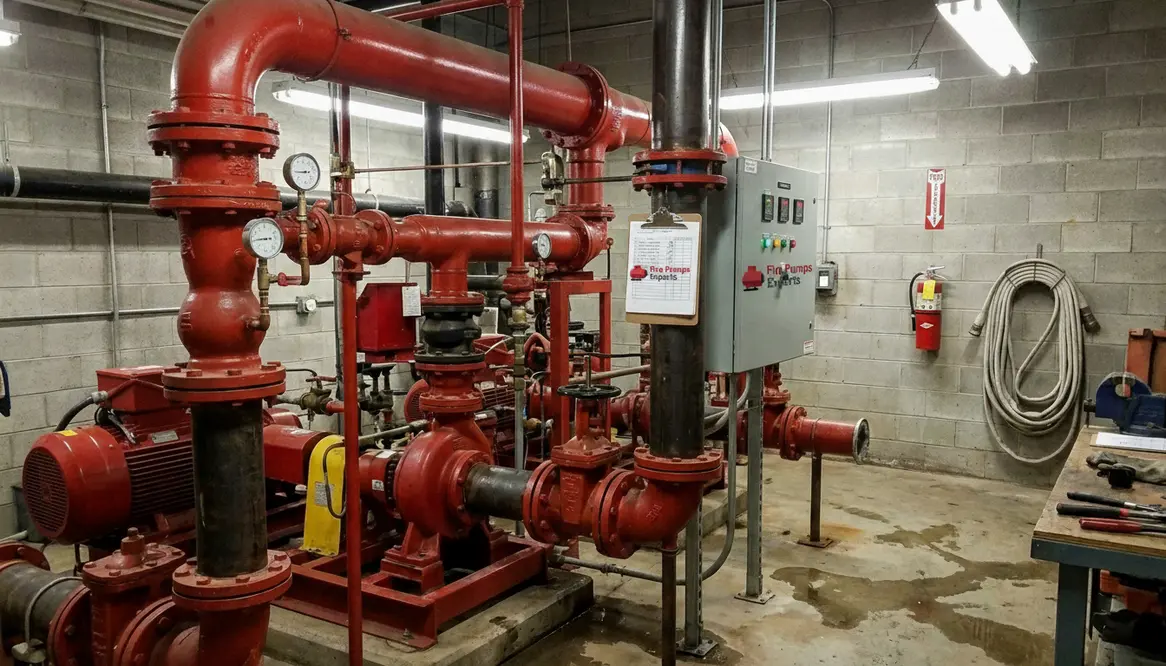
Philippines Fire Code Fire Pump Compliance Guide
When I talk about Philippines Fire Code compliance, I do not treat fire pumps like background noise in a building. I treat them like the quiet giant in the room. You may not notice them every day, yet when fire strikes, they must wake up and work without drama. For commercial and industrial facilities, and for major property buildings, fire pump compliance is not just a checkbox. It is a system that protects people, property, and business continuity. And yes, it is also one of those topics that sounds dry until you realize the whole building depends on it, which is a little like finding out the drummer in the band is actually the one holding the song together.
In this guide, I will walk through the key parts of fire pump compliance under the Philippines Fire Code, what I check first, and how I keep a site ready for inspection. I will keep it clear, practical, and focused on large facilities only, because this is where the real pressure lives.
What fire pump compliance means for large properties
For me, compliance starts with function, not paperwork. A fire pump must deliver water pressure when the sprinkler and standpipe systems need it most. In a commercial tower, warehouse, factory, or mixed use complex, that pressure can make the difference between a small incident and a full scale disaster. The Philippines Fire Code expects these systems to support safe evacuation and effective suppression, so I always begin by checking whether the pump matches the building’s actual risk.
I look at the pump type, the water source, the electrical supply, and the backup arrangement. Then I ask a simple question: if the main line fails, can the system still perform? That question matters because fire does not wait for maintenance schedules. It shows up uninvited, like a cousin who says he will stay two days and somehow ends up staying two weeks.
Fire pump compliance checklist for Philippines Fire Code compliance
Here is where I get practical. I use a checklist that keeps the system honest and the inspection process smooth. For Philippines Fire Code compliance, I focus on the following items:
- Fire pump capacity matches the building demand
- Suction source has enough water for the required duration
- Pump room stays accessible, clean, and protected
- Power supply has proper control and backup support
- Jockey pump works to maintain system pressure
- Controllers, gauges, and valves operate correctly
- Test records show routine inspection and flow checks
- Signage and labels make the system easy to identify
Each item plays a role. If one fails, the whole setup can suffer. That is why I do not stop at visual checks. I verify real performance. A pump that only looks good is like a superhero costume with no person inside. Great for photos, bad for emergencies.
How I test a fire pump system in a commercial facility
I always test fire pumps in a way that reflects real use. First, I confirm that the pump starts automatically when system pressure drops. Then I check the pressure rise, the flow response, and the running condition. I also listen for strange sounds, because pumps often tell on themselves before they fail. A rough vibration, slow start, or uneven pressure can point to deeper trouble.
Next, I review the weekly, monthly, and annual test logs. Those records matter because they show whether the facility treats the system as a living asset or as wall décor. I also compare the test data against the approved design and the actual site layout. If the building changed use, expanded storage, or added equipment, the pump needs a fresh look. A warehouse that grew from modest to massive does not politely keep the same fire load, so the system must keep up.
Dual column view for compliance priorities
Design and hardware
Correct pump size
Proper controller setup
Stable water supply
Reliable backup power
Operation and records
Routine pump testing
Clear maintenance logs
Prompt repair of defects
Updated inspection reports
This split helps me stay organized. On one side, I protect the physical system. On the other, I protect the proof. In compliance work, both matter because inspectors need evidence, and engineers need performance. One without the other is just a confident guess, and guesswork has no place in a fire system.
Common mistakes I see in fire pump rooms
I see the same problems again and again. Some facilities block access to the pump room with boxes, spare parts, or random equipment. Others leave electrical issues unresolved because “the pump still runs.” That line makes me smile in the same way a detective smiles when the suspect says, “I was nowhere near the scene.”
Another common issue is skipped testing. A fire pump that sits untouched for long stretches can lose reliability. Corrosion, worn seals, loose fittings, and low suction conditions all build up slowly. In addition, some sites keep outdated drawings, which makes field checks harder and slows down correction work. I also see poorly trained staff who do not know the alarm sequence or the shutdown procedure. That gap can waste precious time during an emergency.
Where I turn for deeper support on large facility fire pump needs
When I need a deeper technical reference for commercial and industrial sites, I look for trusted industry guidance that stays focused on large properties. For this, a useful resource is the fire pump compliance guide for major facilities at https://firepumps.org. It helps me keep the conversation on the right track: real systems, real loads, and real pressure demands.
This kind of support matters because compliance is not only about passing an inspection. It is also about keeping a building ready every day. The best systems do not wait for attention. They earn trust through steady performance, clean records, and timely maintenance. That is the standard I aim for, and it is the standard I recommend for any serious commercial or industrial site working toward strong Philippines Fire Code compliance.
FAQ
Conclusion
If you manage a commercial or industrial facility, I urge you to treat fire pump readiness as a core part of your safety plan, not an afterthought. Strong systems protect lives, reduce loss, and keep operations moving when trouble hits. So, review your pump room, tighten your records, and confirm your setup against Philippines Fire Code compliance today. If you want a clearer path forward, take the next step and build a stronger, safer facility now.