Philippines Fire Pump Rules for Commercial Buildings
Philippines Fire Pump Requirements for Commercial Buildings
When I talk about fire safety in a Philippines commercial building, I do not start with alarms, fancy signs, or the red box on the wall that everyone pretends to notice. I start with the fire pump. Because when pressure drops and water needs to move fast, that pump becomes the quiet hero in the back room. It does not ask for applause. It just works. And in a commercial or industrial property, that is the kind of drama I like.
In the Philippines, fire pump rules matter because they help protect people, assets, and business continuity. I see many property owners focus on design and tenant appeal, yet they forget the system that keeps the whole fire network alive. So, let me walk through the key requirements in a clear way, with no smoke and mirrors.
Why the pump is the quiet hero
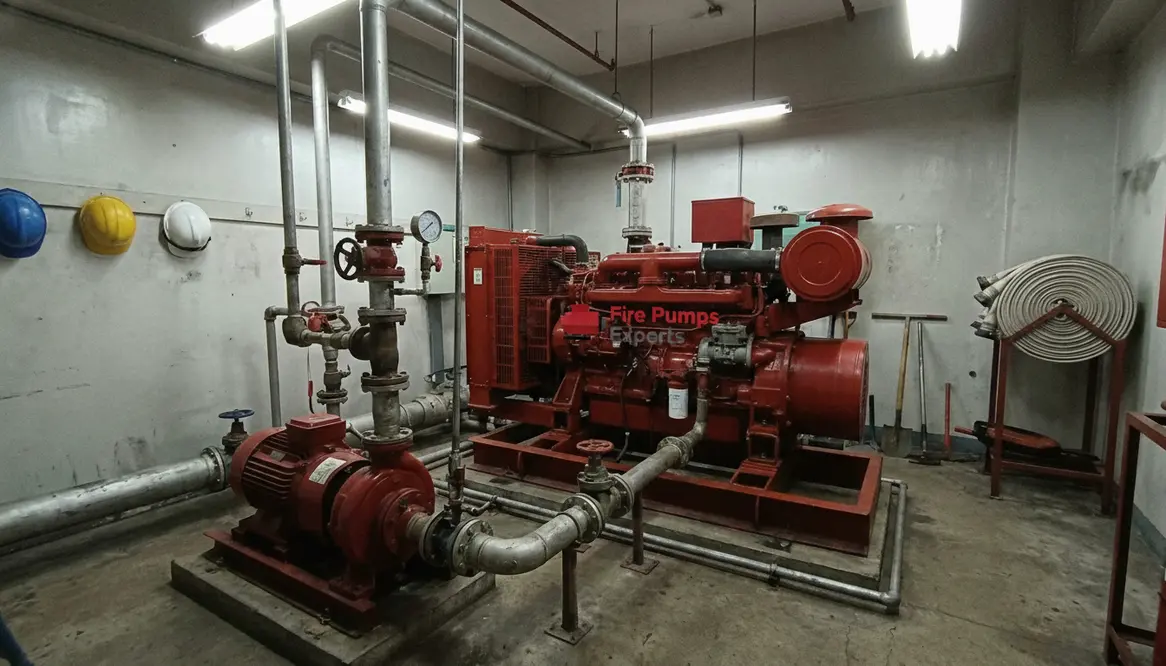
In a busy Philippines commercial corridor full of glass facades and branding, the fire pump room is usually buried, windowless, and ignored. Yet it is the one place that decides whether sprinklers and standpipes will actually deliver water when the heat shows up. If there is any place in a commercial building that deserves less neon and more engineering, it is here.
What a fire pump does in a commercial property
A fire pump boosts water pressure for sprinkler systems, standpipe systems, and other fire protection lines. In large buildings, the normal water supply often cannot deliver enough pressure during an emergency. That is where the pump steps in and does the heavy lifting.
For commercial and industrial facilities, this matters even more because these buildings often have more floors, more occupants, and more fire risk. A pump that is too small, poorly placed, or not properly tested can fail when the building needs it most. That is not a plot twist anyone wants.
In practice, I look at three things first:
- Water supply stability
- Required pressure and flow rate
- Building size and fire protection layout
If any one of these falls short, the entire fire system can struggle. So, the pump is not just equipment. It is part of the building’s survival plan.
Philippines commercial fire pump rules I check first
In a Philippines commercial setting, fire pump requirements usually follow local fire codes, the National Building Code, and standards used by fire safety engineers. I always advise owners to work with licensed professionals who know the local rules, because this is not a place for guesswork or “I watched a video once” engineering.
Here is what I check right away:
- The pump must match the building’s fire protection demand
- The pump room must stay accessible and protected
- The system needs a reliable power source
- Backup power or a secondary pump may be required for larger sites
- Control equipment must stay easy to inspect and maintain
Also, the pump should support the entire fire protection network, not just one area. A mall, warehouse, office tower, or mixed use complex may need different design details, but the goal stays the same: deliver water fast, with enough pressure, when it counts.
Design focus
Size the pump based on actual system demand, elevation, and friction loss.
Maintenance focus
Test the pump on schedule, check valves and controllers, and fix weak parts early.
This part may sound plain, but plain is good. Fire systems should be boring until the day they are not. Then they should work like a superhero in sensible shoes.
How I size and place fire pumps for business buildings
Proper sizing starts with the building’s hazard level, height, occupancy, and water demand. A small office and a large industrial plant do not need the same setup. That sounds obvious, yet I still see projects treat every building like a copy and paste job. Fire protection does not enjoy copy and paste.
I also pay close attention to pump location. The pump room should stay dry, secure, ventilated, and easy for responders to reach. If the room floods, overheats, or gets blocked by storage, the whole system becomes less reliable. And yes, I have seen people use pump rooms like storage closets. That is a bold choice, and not a smart one.
For larger properties, engineers may include a main pump, a standby pump, and a jockey pump. The jockey pump keeps pressure stable. The main pump handles real demand. The standby pump steps in if the main one fails. Think of it like a serious team, not a one man band trying to cover the whole Marvel universe.
When I review a project, I ask:
- Can the pump meet the highest flow demand?
- Does it support the top floor or farthest point in the system?
- Does the room allow safe operation during a fire event?
These questions help avoid weak spots before they turn into expensive problems.
Testing, upkeep, and compliance made simple
Once the pump is installed, the job is not over. It begins. Fire pumps need regular inspection and testing to stay ready. In commercial and industrial facilities, I recommend a strict maintenance plan because business operations change, loads change, and systems age.
Typical checks include:
- Weekly or routine pump starts
- Pressure and flow testing
- Controller inspection
- Valve checks
- Power source review
- Logging results for compliance records
Compliance records matter because they show the system has been maintained properly. They also help during audits, inspections, and insurance reviews. Nobody likes paperwork, but in this case, the paperwork can save a lot of trouble later. The bureaucracy may not be glamorous, but it does have a purpose.
I also suggest reviewing the system after building changes. If you add floors, expand tenant areas, or change the use of a space, the original pump design may no longer fit. Fire safety should grow with the property, not trail behind it like an old sequel nobody asked for.
Where I see owners make the biggest mistakes
Most mistakes come from three habits: undersizing the pump, skipping maintenance, and ignoring the pump room. These issues often show up in busy commercial sites where people focus on daily operations and push fire safety to the side. That works right up until it does not.
I also see owners rely too much on general advice instead of site specific engineering. A commercial warehouse, office tower, hospital, or industrial plant each brings different fire risks. The right pump system must reflect those risks. For that reason, I always point owners toward qualified fire protection experts who work with major properties and commercial facilities only.
For more technical guidance, I suggest reviewing fire pump solutions for commercial and industrial buildings as a helpful reference for property teams that want a more focused approach.
How this plays out in a Philippines commercial setting
Walk through any dense business district and look up at the towers, malls, and mixed use hubs. Behind the polished storefronts, every serious Philippines commercial property with real height or floor area is quietly depending on a correctly sized, well maintained fire pump. Codes and standards set the minimum rules, but real safety comes from design decisions, testing discipline, and owners who refuse to treat the pump room like an afterthought.
FAQ
Conclusion
If I had to sum it up, I would say this: a fire pump is not optional decoration for a Philippines commercial building. It is a core safety asset. So, if you manage a commercial or industrial property, I urge you to review your current system, confirm compliance, and bring in qualified fire protection experts who understand major facilities. If you want your building ready before trouble knocks, now is the time to act.