International Fire Pump Codes for Facility Managers
When I manage a commercial or industrial property, I do not treat fire pump rules like background noise. I treat them like the heartbeat of the building. The International code matters because it shapes how fire pumps get selected, installed, tested, and kept ready for the moment nobody wants to think about. In the real world, that means fewer surprises, fewer violations, and far less drama when inspectors walk in with clipboards and serious faces. And yes, fire safety paperwork can feel a little like reading the fine print on a streaming subscription, but this one actually matters.
How I Use International Fire Pump Codes in Facility Planning
I start with the basics: the building use, water supply, hazard level, and the fire protection layout. The International code sets the frame, but I still have to connect it to the site. A warehouse, a high rise, and a manufacturing plant do not play by the same practical rules, even when the code language looks neat on paper. That is where planning saves money and time.
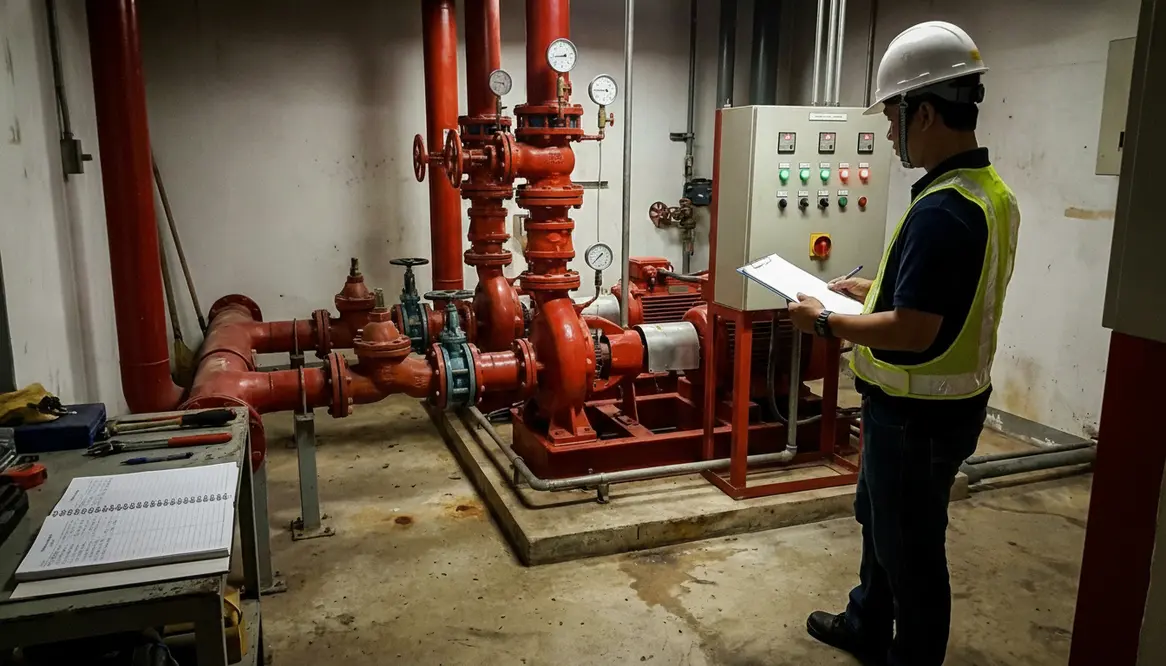
I look at whether the fire pump needs to support sprinklers, standpipes, or both. Then I check the water source, because a pump without reliable supply is like a superhero with no cape and no ride home. I also confirm that the pump room has access, power, drainage, heat control, and enough space for service crews to work without turning the room into a game of human Tetris.
For commercial and industrial facilities, early design review matters. If I catch a mismatch before construction ends, I avoid costly rework. That is not just smart. It is the kind of move that keeps budgets from screaming in the corner.
What I Check During Fire Pump Installation and Acceptance
Once the system moves into install mode, I focus on code fit and real world function. I want the pump, controller, suction line, discharge line, power source, and alarms to match the required standard. I also want the layout to support testing and maintenance later, because a beautiful install that nobody can service is just expensive wall art.
My core acceptance checks include:
- Proper pump sizing for the needed demand
- Correct controller setup and power supply
- Good suction conditions with limited air risk
- Secure piping and valve placement
- Clear access to the pump room and equipment
- Functional alarms and signal monitoring
I also verify that the installation supports the authority having jurisdiction. That step sounds formal, because it is. Still, it keeps everyone aligned. If the local fire official wants a specific detail, I handle it early instead of waiting for a surprise that arrives like a plot twist in a bad mystery show.
I never skip acceptance testing. Flow tests, churn checks, controller operation, and transfer performance all tell me whether the system will perform under stress. If the pump hesitates now, it will not magically become brave during an emergency.
Which International code rules matter most for daily operations?
The daily side of code compliance is where many facility teams get caught. I see this often in large properties, where maintenance staff juggle HVAC, electrical, life safety, and tenant requests all before lunch. Fire pump care must stay on the calendar, not in the “we will get to it later” pile that somehow grows into a mountain.
Here is what I track most often:
- Weekly or routine inspection needs for key pump conditions
- Monthly checks on power, room temperature, and physical condition
- Annual testing that confirms actual performance
- Recordkeeping that proves the work happened
- Corrective repairs when results drift from expected values
I also watch for small issues that turn into big ones. A leaking seal, a weak battery, a noisy bearing, or a stuck valve can become a larger failure if I ignore it. And like every good thriller, the trouble starts small and gets expensive fast.
For facilities that want a deeper technical baseline, I often review commercial fire pump code guidance for industrial properties as part of my planning and compliance process. It helps me keep the conversation grounded in the kind of buildings that actually need this level of protection.
How I Keep a Facility Ready for Inspection
Inspection readiness is not luck. It is a habit. I keep documents current, test results filed, corrective actions closed, and service tags easy to find. Then I walk the pump room myself, because a clean file does not help if the room looks like a storage closet for forgotten boxes and mystery pallets.
I also make sure my team knows the fire pump basics. If the panel shows trouble, someone should know who to call. If the room temperature drops, someone should act before equipment suffers. If the system has changed, the drawings and records should change too. That is how I keep the site aligned with the International code without turning the process into a full time detective series.
Good readiness also supports insurance reviews, tenant confidence, and better emergency response. In large buildings, those benefits matter. They protect people, property, and operations, which is really the whole point.
FAQ: International Fire Pump Code Basics
My next step for your facility
If I want a fire pump program that holds up under code review, I start early, check often, and document everything. That simple rhythm keeps my building safer and my team calmer. If your facility runs a commercial or industrial property, now is the time to review your system, close the gaps, and stay ahead of the next inspection. Do the work now, and future you will thank you with the quiet relief of a job well done.