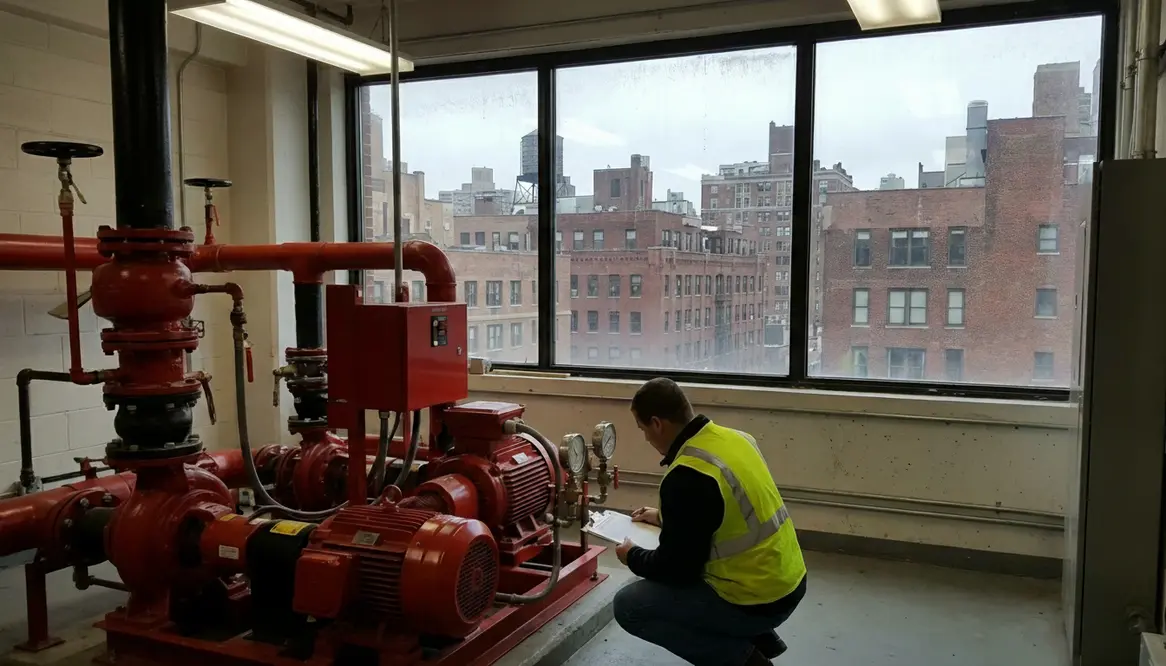
Jersey City Fire Pump Compliance Guide for Buildings
I have spent enough time around mechanical rooms to know this simple truth. When a fire pump fails, it does not whisper. It shouts. And in a dense, fast moving city like Jersey City, that shout echoes through steel, glass, and liability reports. That is why Jersey City fire pump compliance is not just a box to check. It is a system of discipline, timing, and attention that keeps large commercial buildings standing tall and tenants safe. Today, I will walk you through what actually matters, with a steady pace and just enough humor to keep things human.
What matters most for Jersey City fire pump compliance
Let me answer this the way most building managers wish someone had on day one. The essentials come down to three things. Proper installation, consistent testing, and documented maintenance. Simple words, serious consequences.
First, your system must meet NFPA 20 and local Jersey City codes. That means correct sizing, reliable power supply, and proper controller setup. If your pump looks impressive but cannot deliver pressure under demand, it is about as useful as a superhero who forgot their cape.
Next, testing is not optional. Weekly churn tests and annual flow tests confirm your pump performs when it counts. Moreover, these tests reveal small issues before they become expensive disasters.
Finally, documentation is your shield. Inspectors do not take your word for it. They want logs, reports, and proof. Keep them clean, consistent, and ready.
How I keep commercial fire pump systems inspection ready year round
I treat compliance like brushing my teeth. You do it regularly, not just before a big meeting. The same mindset applies here.
Start with a schedule you actually follow. Weekly, monthly, and annual checks should live on your calendar, not in your memory. Additionally, assign responsibility to trained personnel or a qualified service provider who understands large commercial systems.
Then, I pay attention to the small signals. A slight vibration change. A delayed start. A controller alert. These are not quirks. They are warnings. Ignoring them is like ignoring a check engine light on a cross country drive. You will not enjoy the ending.
Also, keep your pump room clean and accessible. Inspectors notice clutter. More importantly, emergencies do not wait for you to move storage boxes out of the way.
Common mistakes that quietly break compliance
Skipped testing
Now here is where things get interesting. Most failures do not come from dramatic breakdowns. They come from quiet oversights.
One of the biggest issues I see is skipped testing. Life gets busy. Budgets get tight. Suddenly a few weeks turn into months. However, the system does not forgive neglect, and that neglect can put Jersey City fire pump compliance at risk when an inspector shows up or an alarm actually trips.
Outdated components and missing records
Another common mistake is relying on outdated components. Controllers, sensors, and valves age out. If you are running equipment that belongs in a museum next to cassette tapes, you are inviting trouble.
Then there is poor record keeping. I have seen pristine systems fail inspections simply because no one logged the work. In compliance terms, if it is not written down, it did not happen.
Choosing the right service partner for large facilities
Not all service providers are built for large scale commercial and industrial properties. You need a team that understands high demand systems, redundancy planning, and local code enforcement.
When I evaluate a partner, I look for experience with similar building sizes, familiarity with Jersey City regulations, and the ability to respond quickly. Because when something goes wrong, you do not want a voicemail. You want action.
What I expect
- Certified technicians with NFPA knowledge
- Clear testing and reporting process
- Fast emergency response
- Experience with high rise systems
What I avoid
- Vague maintenance plans
- Slow communication
- Limited commercial experience
- One size fits all solutions
In other words, choose a partner who treats your building like a priority, not a pit stop. A seasoned provider that lives and breathes fire pump work, like the team behind comprehensive fire pump inspection and maintenance services, helps keep Jersey City fire pump compliance from becoming a monthly headache.
Why proactive upgrades protect your investment
Compliance that moves with the codes
Here is something many owners learn the hard way. Compliance is not static. Codes evolve. Equipment ages. Risks change.
Upgrading components before they fail keeps your system aligned with current standards. Moreover, it improves efficiency and reliability. Think of it like replacing an old phone before it freezes during an important call. Timing matters.
Risk, exposure, and the cost of waiting
In large commercial buildings, even a short lapse in fire protection can lead to massive financial exposure. Insurance carriers know this. Inspectors know this. And now, so do you.
Proactive upgrades are not just “nice to have.” They are one of the smartest ways to keep Jersey City fire pump compliance on your side while protecting tenants, operations, and long term property value.
FAQ about fire pump compliance in Jersey City
Keeping your system ready when it matters most
I will leave you with this. Fire pump compliance is not about passing an inspection. It is about being ready on a day you hope never comes. When the moment arrives, there is no time for second guesses or missing paperwork. There is only performance.
If you manage a commercial or industrial property, now is the time to act. Review your system, tighten your processes, and partner with experts who understand the stakes. Because in this city, preparation is not optional. It is everything. When Jersey City fire pump compliance becomes part of your culture instead of a yearly scramble, tenants sleep easier, insurers relax a little, and your building stands ready for whatever the alarms bring.