Malaysia Fire Pump Compliance Checklist for Buildings
A practical checklist for keeping commercial and industrial fire pump systems ready when it actually matters.
Malaysia Fire Pump Compliance Checklist for Commercial and Industrial Buildings
When I talk about Malaysia compliance for fire pumps, I am talking about one of those things that quietly keeps a building alive while everyone else is busy pretending the weekly meeting could have been an email. For commercial and industrial properties, fire pump systems are not optional decoration. They are part of a real safety plan, and they must work when the heat is on, quite literally. In this guide, I will walk through the key checks I use for fire pump compliance in Malaysia, so you can protect people, property, and your very expensive floor finishes.
What I Check First in a Fire Pump System
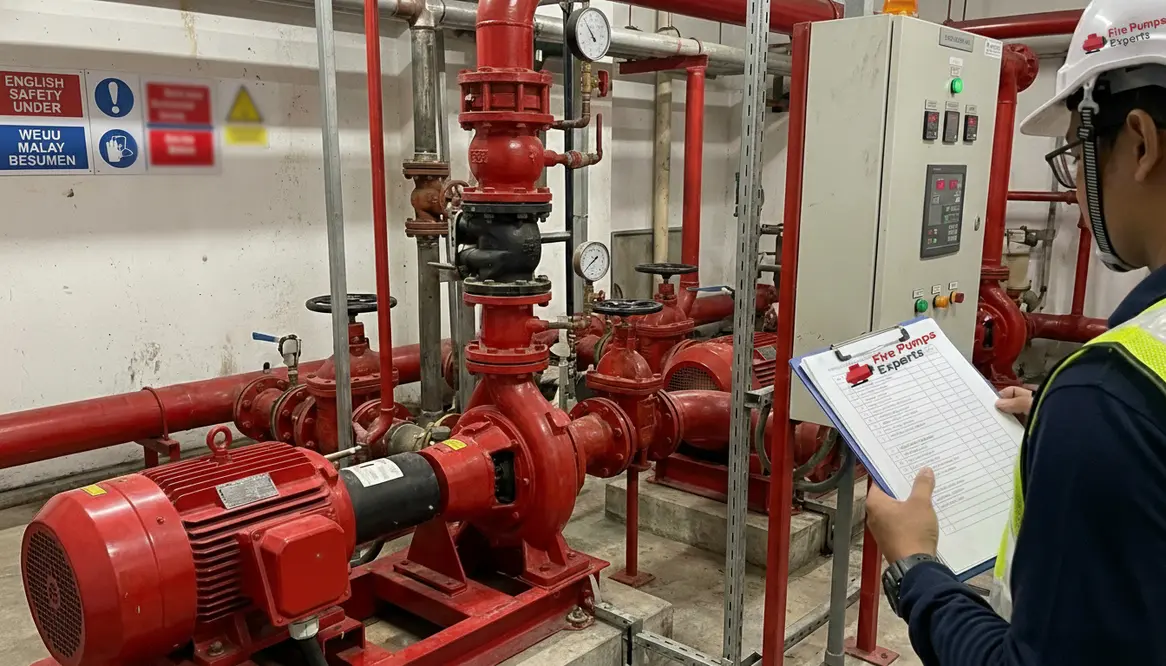
I always start with the basics, because the basics are where most problems hide. A fire pump system must match the building’s risk level, water demand, and design drawings. First, I verify that the pump type fits the site, whether it is electric, diesel, or a jockey pump supporting the system. Then I check the pump room layout, access space, ventilation, and lighting. If the room looks like a storage closet for forgotten office chairs, I already know we have a problem.
Next, I confirm that the pump set is installed according to the approved design. This includes the suction line, discharge line, valves, gauges, controller, and power supply. If one part is wrong, the whole system may fail under pressure. That is where Malaysia compliance becomes a practical issue, not just a paper one.
Fast Snapshot: Why This Checklist Matters
- Supports Malaysia compliance obligations for commercial and industrial sites
- Reduces risk of pump failure when sprinkler and hose systems are needed most
- Gives clear tasks for facilities, maintenance teams, and fire contractors
- Helps you survive audits, inspections, and insurance reviews without sweating through your shirt
Malaysia Compliance Checklist for Fire Pump Inspection
Here is the core checklist I use for commercial and industrial facilities:
- Check that the fire pump matches the approved fire protection design
- Confirm the pump room is clean, secure, and easy to access
- Inspect suction and discharge piping for leaks, damage, and wrong fittings
- Test pressure gauges, valves, and controller functions
- Verify that the electric pump has stable power and proper wiring
- Inspect the diesel pump fuel level, battery, cooling system, and starter
- Test the jockey pump so the system holds pressure without constant cycling
- Review the alarm signals and ensure they reach the right panel
- Confirm maintenance logs are up to date and signed
Each item matters because a fire pump is not a decorative prop from a superhero movie. It must start fast, build pressure, and keep the water moving without drama.
How I Test Performance and Record Proof
I never trust a system just because it looks neat. Instead, I test it under real conditions. I check the starting pressure, running pressure, flow performance, and restart behavior. I also watch how the system reacts when the jockey pump drops out. If the pump hesitates, surges, or sounds like it needs a cup of coffee, I dig deeper.
Then I compare the test results with the required design data and maintenance records. This is where documentation matters just as much as the hardware. In fact, strong records help show that the system supports Malaysia compliance during audits, inspections, and insurance reviews. Without records, even a good system can look suspicious. And no one wants to explain missing logs with a straight face.
What Matters in Pump Room Layout and Access
I pay close attention to the pump room because location and access can decide how fast a team responds in an emergency. The room should stay dry, well ventilated, and free from clutter. It should also allow safe maintenance work around the pump set. If workers need to climb over boxes to reach the controller, the room fails the test before the pump even starts.
For larger facilities, I also check whether the pump room supports emergency access during a fire event. Clear routes, proper signage, and reliable lighting all help. In industrial sites, I look for extra care around vibration control, pipe supports, and heat exposure. These details may seem small, but they protect the system over time and keep the building closer to full Malaysia compliance.
Dual Column View for a Quick Compliance Check
| Area | What I Look For |
| Pump room | Clean, dry, ventilated, and easy to access |
| Fire pump set | Correct type, correct size, correct installation |
| Power supply | Stable, protected, and tested under load |
| Diesel unit | Fuel, battery, cooling, and automatic start checked |
| Records | Complete test logs and maintenance history |
How I Handle Maintenance and Follow Up Issues
Regular maintenance is where compliance becomes real. I schedule checks, not when someone remembers, but before problems grow teeth. During maintenance, I inspect wear on seals, bearings, valves, and switches. I also check for corrosion, vibration, abnormal noise, and slow pressure recovery. If I find a fault, I treat it as urgent, because small faults love turning into large disasters at the worst possible time.
After that, I make sure repairs happen fast and the system gets retested. This follow up step is essential for fire protection standards in Malaysia. It also shows that the property team does not just file reports for the sake of filing reports, which, let us be honest, is a hobby some offices seem to enjoy.
Why Commercial and Industrial Sites Need Tighter Control
Commercial towers, factories, warehouses, and major property buildings face heavier risk than small premises. They hold more people, more equipment, and often more valuable assets. Because of that, fire pump systems need stronger oversight and clearer accountability. I always advise facilities to treat compliance as part of daily operations, not a once a year cleanup exercise before an inspector arrives.
For facilities that want deeper guidance, I would also recommend reviewing a trusted source such as the Malaysia fire pump compliance guide for commercial buildings. Using a reliable reference helps teams align technical checks with real site needs, especially when a building has high demand or complex fire protection layers. This kind of reference is also useful when you are aligning internal procedures with Malaysia compliance expectations from authorities and insurers.
You can start with a specialist resource such as https://firepumps.org and then adapt the principles to your site’s specific design and operational profile.
FAQ
Conclusion
If you manage a commercial or industrial building, I recommend treating fire pump checks as a priority, not a side task. Review the system, test the performance, and fix weak points before they turn into costly trouble. If you want a proper fire pump compliance check for your site in Malaysia, I can help you move from uncertainty to confidence with a clear, practical approach that supports safety, Malaysia compliance, audit readiness, and long term protection.