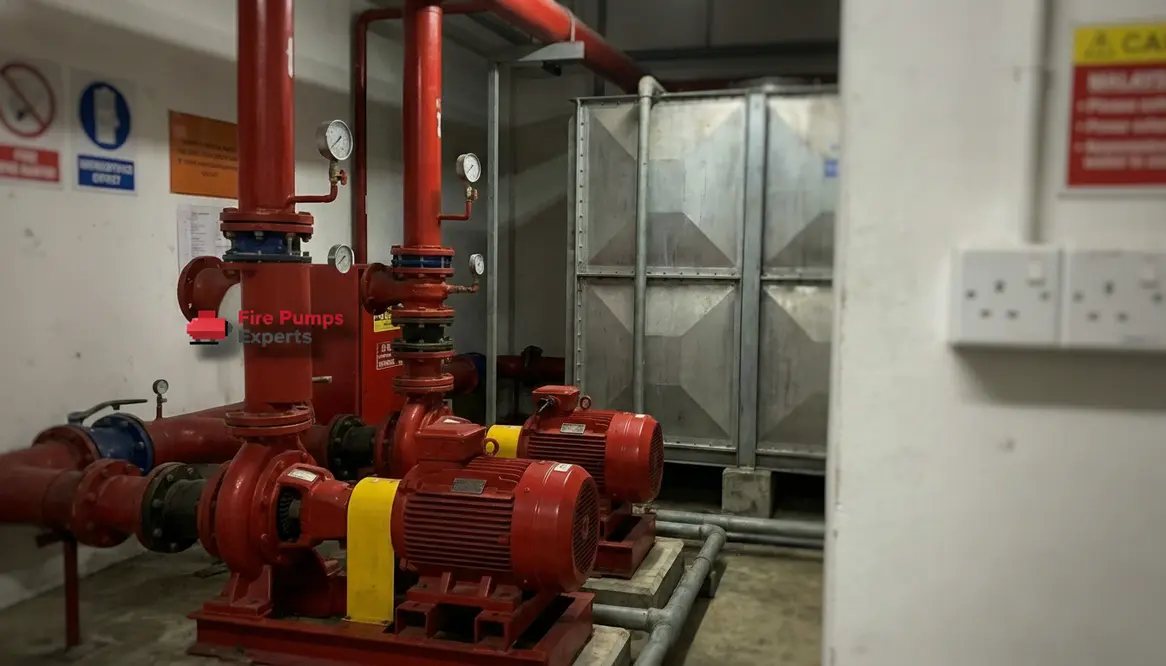
Malaysia Fire Pump Water Supply Requirements Guide
Malaysia Fire Pump Water Supply Requirements
When I look at a commercial tower, a factory floor, or a major property complex, I do not see steel and glass first. I see risk, and I see protection. That is why Malaysia water supply for fire pumps matters so much. It decides whether a fire system can do its job when the heat rises and the clock starts running like a bad action movie countdown. In Malaysia, the water source for a fire pump must stay reliable, steady, and ready for real emergencies. If the supply fails, the whole fire defense plan starts to wobble. And nobody wants that kind of drama in a mall, warehouse, plant, or high rise.
In this guide, I will walk through the core water supply rules, the equipment setup, and the practical checks that help commercial and industrial buildings stay compliant and prepared. I will keep it clear, useful, and grounded in real site needs.
What the fire pump water supply must do
The fire pump exists to move water with enough pressure and flow to support sprinklers, hydrants, hose reels, and other fire systems. However, it cannot do that without a dependable source. In most commercial and industrial projects, I need the supply to support the worst case fire demand, not just a polite little test on a quiet afternoon.
The water source must provide enough volume for the required duration. It must also deliver that water at the right pressure, and it must do so without major drops when the pump starts. For major properties, that usually means planning for high demand, long run times, and backup options. So, the source is not just a tank or a main line. It is the heart of the system.
Malaysia water supply rules for fire pump systems
For Malaysian commercial and industrial facilities, I always treat the water supply as a design item, not an afterthought. The system must match the site hazard, building size, occupancy, and fire protection layout. As a result, the required supply may come from one or more of these sources:
Dual column overview
Primary sources
- Fire water storage tanks
- Town mains with suitable pressure and approval
- Dedicated reservoirs for large sites
Support sources
- Secondary tanks
- Jockey pumps for pressure control
- Backup power for pump operation
The key point is simple. The fire pump must never depend on a source that can vanish during the exact moment it is needed. That would be like Iron Man showing up without the suit. Technically present, but not very helpful.
Also, the supply must stay separate from normal building water use where required. If daily use drains the fire reserve, then the system loses its purpose. So, good design keeps fire water protected, monitored, and easy to inspect.
How I size the fire water storage
When I size storage, I look at the required fire demand, the building classification, and the expected operating time. The tank must hold enough usable water for the pump to maintain the needed flow over the full duty period. In larger facilities, that may mean a large dedicated tank or several linked tanks.
And yes, dead storage matters. The tank must allow the fire pump to draw the full required volume. If the intake sits too high or the tank layout traps water below the suction line, then some of that water becomes decorative, and decorative water does not fight fires.
I also check refill arrangements. A good system should recover after use within the time set by the project and code requirements. If refill takes too long, the site may remain exposed after an incident or during testing.
What the pump room and suction line need
The pump room must support smooth water movement into the pump. Therefore, the suction line needs proper size, short routing, and minimal restriction. Long, narrow, or badly arranged suction piping can cause cavitation, vibration, and poor performance. That is the fire pump version of trying to breathe through a straw while jogging.
The pump room should also give me safe access for inspection, service, and emergency operation. I want clear space, proper ventilation, drainage, and lighting. Meanwhile, the suction source should sit below or at a suitable level to help positive supply flow where the design requires it. I also confirm that valves, strainers, and fittings do not choke the line.
For commercial and industrial sites, I pay special attention to reliability under heat, dust, and heavy use. Factory sites can be rough places, and fire systems should not act like fragile office décor.
Compliance checks I use on major properties
I never trust a fire water system just because it looks neat in a drawing. I check real conditions on site. First, I verify tank capacity and pump demand. Next, I test starting pressure, suction stability, and flow performance. Then, I review alarms, controls, and backup power. Finally, I check if the water path stays protected from contamination, freezing risk where relevant, and accidental shutoff.
Operational and maintenance realities
I also look at maintenance access. A compliant system should allow routine testing without shutting down the whole building. That matters in malls, logistics centers, hospitals, and tall properties where downtime costs money faster than a coffee machine in a Monday meeting room.
If the site uses a contractor or consultant reference, I recommend reviewing fire pump design and compliance support for commercial facilities through a reliable specialist source such as https://firepumps.org. That kind of reference helps align the project with the right commercial and industrial standards and keeps the Malaysia water supply strategy consistent with recognized practices.
When the Malaysia water supply strategy is matched correctly with the building hazard level, the fire pump, tanks, and controls can work together as one continuous chain. Any weak link in that chain shows up during testing, so I always insist on realistic performance checks rather than just ticking boxes.
In the end, my goal is simple: a Malaysia water supply arrangement that behaves the same way during a quiet weekly test as it does in a genuine alarm, without surprises, shortcuts, or mysterious pressure drops.
FAQ
Conclusion
I take fire pump water supply seriously because it protects people, property, and business continuity in the places that matter most. If you manage a commercial tower, industrial plant, or major property, now is the time to review your water source, tank capacity, and pump setup.
Do not wait for an emergency to reveal the weak link. Contact a qualified fire protection specialist, assess your current system, and make sure your fire water supply is ready to perform when it counts. Treat the Malaysia water supply for your fire pumps as a critical asset, not a background utility line, and it will be there when you need it most.