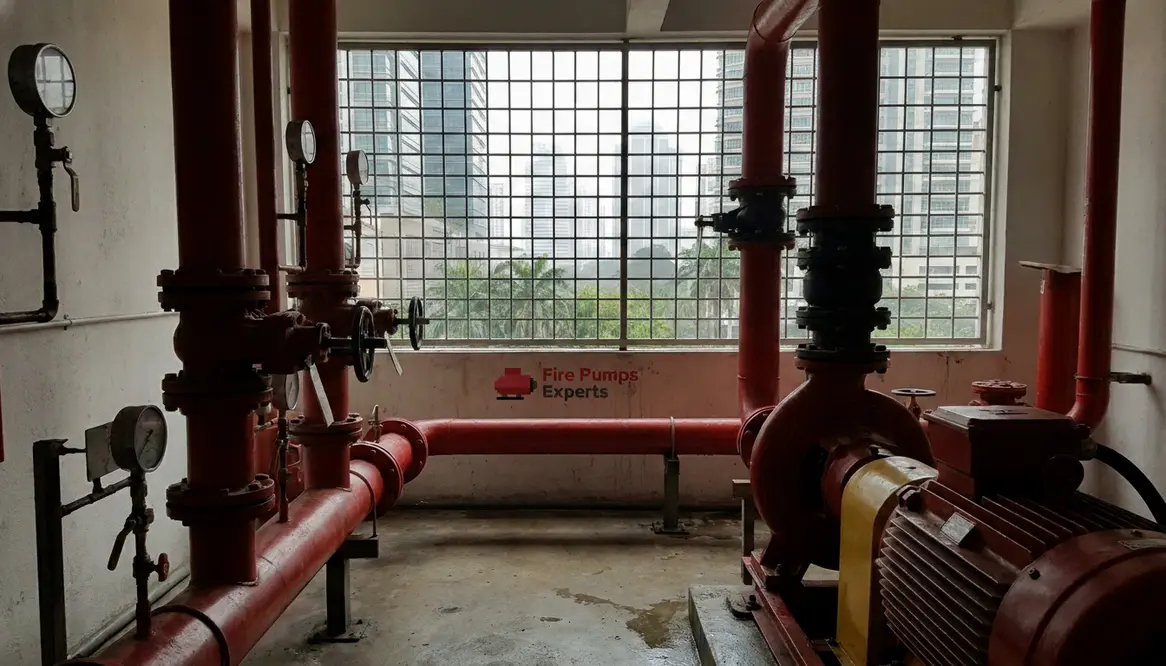
Malaysia Fire Pump Requirements for High Rise Buildings
When I look at a Malaysia high rise, I do not just see glass, steel, and a skyline selfie waiting to happen. I see a building that must protect hundreds, sometimes thousands, of people when fire shows up uninvited. That is where fire pumps step in. They push water through the system with enough force to help sprinklers and hose reels do their job. In other words, they do the heavy lifting while everyone else gets to keep breathing calmly. In Malaysia, the rules for these systems are serious, because tall buildings need more than a “hope for the best” plan.
What fire pump systems must do in Malaysia high rise buildings
I always start with the main job. A fire pump system must supply steady water pressure to the fire protection network, especially in tall buildings where gravity is not your friend. As the building rises, water pressure drops. So, a pump becomes the muscle behind the system.
In a Malaysia high rise, the system usually supports sprinklers, wet risers, hose reels, and sometimes other fire protection parts tied to the building design. Because of that, the pump must match the building size, water demand, and risk level. If the pump is too weak, the whole system struggles. If it is too strong but poorly set up, that can also cause trouble. Fire systems, much like office politics, hate poor balance.
Authorities and fire safety professionals in Malaysia typically expect the system to meet local fire code needs, follow approved standards, and work reliably during an emergency. That means the pump room, water supply, power source, controls, and testing all matter. I always say this: a fire pump is not just equipment. It is part of the building’s survival plan.
How I plan the fire pump setup for tall buildings
I focus on the design first, because a fire pump system only works well when the layout makes sense. The pump must fit the building’s fire load, height, and water demand. Since high rise buildings create pressure challenges, I check whether the system needs one main pump, a duty pump and standby pump, or a jockey pump to hold pressure.
Here is a simple view of the usual pump setup:
Duty pump keeps the system running during normal fire flow demand.
Standby pump takes over if the duty pump fails or needs support.
Jockey pump maintains pressure and stops small leaks from starting the main pump for no reason.
This is where careful design saves money and headaches. A system that keeps switching on for tiny pressure drops will wear out fast. Nobody wants a pump that acts like it has caffeine issues at 2 a.m.
Also, I make sure the pump room stays easy to access, protected from flood risk, and properly ventilated. The room must stay clear, because a fire pump tucked into a cramped corner is a bad idea. It is like trying to park a bus in a shoebox.
Which standards and approvals matter most
In Malaysia, fire pump requirements do not come from guesswork. They link to local fire safety rules, building approvals, and accepted technical standards. So, I always check the project against the fire authority requirements and the building consultant’s fire strategy.
For commercial and industrial buildings, compliance usually means the system must meet the demand for the actual risk in the property. That includes flow rate, pressure, water storage, backup power, and testing access. I also look at whether the building needs electric pumps, diesel pumps, or both. Dual systems often add more reliability, and in a tall building, reliability is the whole game.
At this stage, I also recommend reviewing the fire pump solutions for commercial and industrial properties when planning, upgrading, or checking a system. That kind of reference helps owners and facility teams stay focused on the right type of property use. After all, a factory or office tower does not need a one size fits all fire pump story. This is not a superhero origin movie.
How I check water supply, power, and testing
Now I get to the part that often decides whether a system works in real life or only looks good on paper. Water supply must stay reliable. Therefore, the pump needs enough stored water or a stable source that can support fire demand for the required time. If the tank runs dry, the pump is just making noise and history.
Power matters just as much. High rise buildings often need an electrical supply with emergency backup, and some setups also use diesel pumps to add another layer of safety. That way, if one source fails, the system still has a fighting chance. Since fire does not wait for a better moment, backup power is not optional thinking. It is smart thinking.
Testing is the final truth teller. I always push for regular checks, flow tests, alarm checks, and maintenance visits. A pump that works on installation day but fails six months later is a very expensive decoration. Regular testing catches wear, pressure loss, control faults, and engine issues before they become emergencies.
Common mistakes I avoid in fire pump projects
Over the years, I have seen the same mistakes show up again and again. First, some teams undersize the pump. That can leave upper floors poorly protected. Second, some teams ignore room conditions, so heat, moisture, or access problems damage the equipment early. Third, some teams skip testing because “nothing has happened yet.” That logic has the same energy as not wearing a seatbelt because the car has been polite so far.
I also avoid poor coordination between the fire consultant, engineer, contractor, and building owner. When everyone works from a different plan, the system suffers. A fire pump project needs one clear direction, especially in a Malaysia high rise where pressure and safety standards leave no room for guesswork.
Snapshot: what matters most in high rise fire pump planning
Design focus | Match pump capacity to building height and demand
Reliability focus | Add standby power and backup pump support
Maintenance focus | Test regularly and fix faults early
Compliance focus | Follow local fire safety rules and approval needs
FAQ about Malaysia fire pump requirements for high rise buildings
My final take on getting fire pump compliance right
If I want a Malaysia high rise to stand ready for fire risks, I treat the fire pump system as essential, not extra. Good design, the right water supply, reliable power, and routine testing all work together to protect people and property. So, if you manage a commercial tower or industrial site, now is the time to review your system, ask the hard questions, and fix weak points before they turn into big problems. Safety is not drama. It is discipline. And in tall buildings, discipline saves lives.