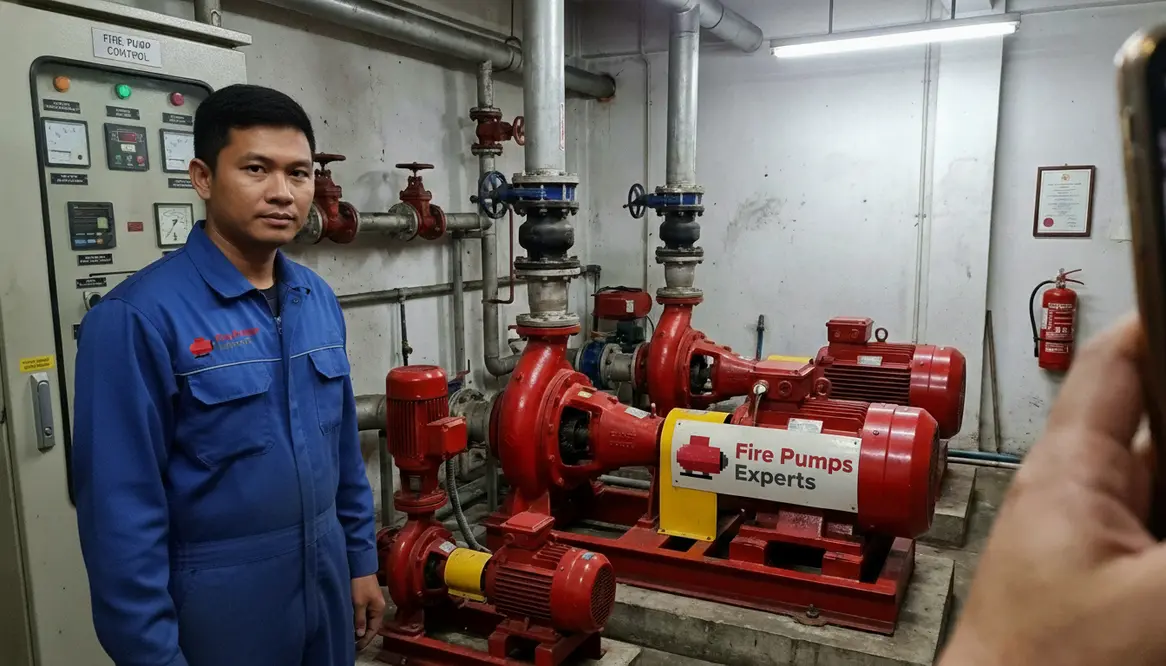
Malaysia Industrial Fire Pump Requirements Guide
When I look at a Malaysia industrial site, I see more than walls, racks, and machines. I see a place where one small spark can turn into a very expensive bad day. That is why fire pump requirements matter so much. In industrial and commercial buildings, the fire pump is not just a box in a plant room doing quiet hero work. It supports the whole fire protection system when water pressure drops, and it helps keep people, equipment, and business continuity safe. So, if you manage a factory, warehouse, or major property building in Malaysia, you need to know what the rules expect and what good practice looks like.
What fire pump systems must do in a Malaysia industrial building
I always start with the basic job. A fire pump must supply enough water at the right pressure to fire sprinklers, hydrants, hose reels, or other approved systems. In a large facility, the city water supply often cannot do that job alone. Therefore, the pump steps in when demand rises during a fire event. It must start fast, run reliably, and match the building’s fire risk.
In Malaysia, industrial buildings usually need a fire pump set that fits the design of the whole system. That often includes a duty pump, a standby pump, and a jockey pump. The jockey pump keeps pressure stable, while the duty pump handles normal fire demand. Meanwhile, the standby pump gives backup if the main pump fails. It is a bit like having a backup singer who can still belt the chorus when the lead mic dies. Classic backup planning, really.
Malaysia industrial fire pump rules I check first
When I review a site, I look at compliance with local fire authority expectations, building classification, and the approved fire protection design. In practice, this usually means the system must follow relevant standards used in Malaysia, along with the fire safety conditions set for the building’s approval. The exact layout depends on the use of the building, the fire load, and the water demand.
I focus on these core points:
- Correct pump capacity for the building’s fire load
- Reliable water source, such as a fire water tank or approved supply
- Automatic start when pressure drops
- Manual override for testing and maintenance
- Clear alarm and fault signals
- Proper room access, ventilation, and drainage
Also, the pump room itself matters. If the room overheats, floods, or becomes hard to reach, the system may fail when it matters most. And that would be the fire safety version of forgetting your umbrella before a monsoon. Not ideal.
Main fire pump components in a Malaysia industrial setup
Component
Duty pump
Standby pump
Jockey pump
Fire tank
Control panel
Valves and pipes
Purpose
Handles the main fire water demand during an incident
Takes over if the duty pump fails or cannot keep up
Maintains pressure and reduces false starts
Stores enough water for the fire system to operate as designed
Starts, monitors, and protects the pump set
Move water safely through the system
How I size and place the pump set
Getting the capacity right
Size comes first, because guessing is not a strategy. I base pump selection on the water flow and pressure needed at the most remote or demanding part of the system. Then I check whether the pipe network can carry that demand without a major pressure drop. If the pump is too small, the system fails. If it is too large, you risk poor operation, waste, and maintenance headaches.
Picking the right location
Placement matters just as much. I prefer a dedicated fire pump room that sits in a safe, accessible area. It should stay protected from fire exposure as much as possible, and it should allow maintenance crews to work without crawling over other equipment like they are in an action movie heist scene. The room also needs good ventilation, proper lighting, and a floor drain if water leakage or test discharge can happen.
For major property buildings and industrial sites, I also check the water tank arrangement. The tank must hold enough fire water for the required duration. In some facilities, water supply is the hidden boss fight. If that part fails, the whole system loses its punch.
Testing, maintenance, and records for Malaysia industrial sites
I never treat a fire pump as “install it and forget it.” That approach works for old phones, not life safety systems. The pump needs routine checks, weekly or monthly testing, and full service records. Regular testing confirms that the pump starts, runs, and delivers the expected pressure. It also helps spot wear, leaks, battery issues, control faults, and valve problems before they grow into expensive trouble.
Good maintenance usually includes:
- Checking suction and discharge pressure
- Running the pump under test conditions
- Inspecting the controller and alarms
- Reviewing fuel, battery, or power supply status
- Looking for vibration, noise, or overheating
- Keeping logs for inspection and audit use
As a result, the building team gets proof that the system works. That proof matters during audits, insurance reviews, and fire safety inspections. In short, paperwork may not fight fires, but it does keep regulators from raising an eyebrow at the worst possible time.
Why expert design helps protect industrial buildings
Seeing beyond the pump itself
I have seen many cases where the fire pump itself was fine, but the overall design missed the real needs of the building. That is why expert review matters. A proper design considers the building size, hazard level, water source, pump room layout, and future expansion. It also keeps the system aligned with local approval needs in Malaysia.
Linking safety, uptime, and compliance
If you want the system to serve commercial and industrial facilities well, you need more than equipment. You need a plan that matches the site. A smart design can reduce downtime, improve safety, and support compliance at the same time. That is the sweet spot. Not flashy, just effective. Like a good Batman utility belt, but with less brooding.
For more technical references and typical configurations, resources such as https://firepumps.org can help you benchmark what a robust Malaysia industrial fire pump setup should look like.
FAQ: Malaysia industrial fire pump essentials
Conclusion
If I want a Malaysia industrial building to stay safe, I treat the fire pump system as essential, not optional. A proper design, correct sizing, and regular testing all work together to protect people and property. So, if you manage a warehouse, factory, or major commercial site, now is the time to review your setup. Talk to a fire protection specialist, check your compliance, and make sure your system is ready before trouble shows up uninvited.