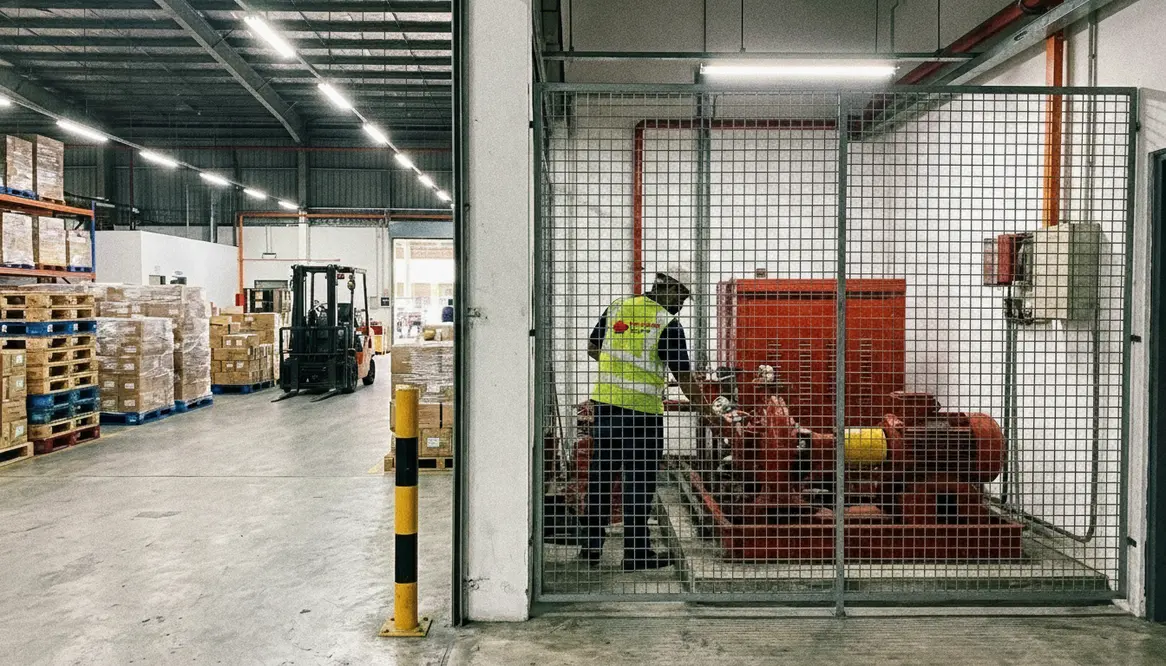
Fire Pump Guide for Malaysia Warehouses
When I walk through Malaysia warehouses, I see more than stacks of goods and shiny forklifts doing their quiet dance. I see risk, planning, and one thing that never gets enough respect until the alarm starts screaming: the fire pump. In big commercial and industrial buildings, a weak water supply can turn a small incident into a very expensive headline. So, if you manage a warehouse in Malaysia, I want to break this down in plain language, with the same care I would use before a major storm rolls in.
What fire pump rules apply to Malaysia warehouses?
For Malaysia warehouses, fire pump requirements usually follow local fire safety rules, building codes, and the needs of the sprinkler and hydrant system. In simple terms, I look at the size of the building, the fire load, the stored goods, and the water pressure available on site. If the water supply cannot do the job alone, then a fire pump steps in like the quiet hero in a movie nobody expected to carry the whole plot.
In most commercial and industrial facilities, the fire pump must support the full fire protection system with enough pressure and flow. That means I do not treat it like an optional add on. I treat it like the engine behind the system. Without it, sprinklers and hydrants may not perform as needed during an emergency.
Also, the pump system should match the building risk level. A warehouse storing light packing material will have different needs from a cold storage site or a facility with high piled goods. That part matters, because fire does not care about your spreadsheet or your mood on Monday morning.
How I choose the right fire pump size
I start with the demand side of the system. First, I check the sprinkler design flow, then I review hydrant or hose reel demands if they share the same water source. After that, I compare the required pressure with the pressure available from the water tank or municipal line. If the supply falls short, the pump must cover the gap.
Here is the simple way I think about it:
What I check
- Building size and height
- Storage type and fire load
- Sprinkler and hydrant demand
- Available water source pressure
What it tells me
- How much water the system needs
- How much pressure the pump must add
- Whether a main pump, jockey pump, or standby pump is needed
- How the system should work during real fire events
This is where many people get surprised. A pump is not chosen by guesswork or by how impressive it sounds in a sales meeting. I size it from the protection demand, then I confirm that it can keep the system working under pressure for the required duration. That is the part that keeps the whole setup honest.
Which parts must I include in a compliant pump room?
A proper fire pump room needs more than a pump and a brave attitude. I make sure the room gives the equipment a safe, stable place to work. It should stay accessible, dry, and protected from heat, flooding, and damage. If the room becomes a storage closet for random items, then the whole setup loses its value fast. And yes, I have seen that happen. Humans do love turning critical rooms into junk museums.
I also look for the following:
- A main fire pump sized for the system demand
- A standby pump if required by the risk level or design
- A jockey pump to maintain pressure and reduce false starts
- Reliable power supply and backup support where needed
- Clear access for inspection, testing, and maintenance
In major property buildings and industrial sites, I also want good ventilation, proper drainage, and enough space around the equipment. That makes service work easier and helps the system stay ready. A cramped pump room is like trying to film an action scene in a phone booth. It can be done, but nobody enjoys it.
How I test and maintain the system
Testing matters because a pump that only looks good on paper is just expensive decoration. I schedule regular inspection and performance checks to confirm the pump starts, runs, and delivers the expected pressure. I also verify the controller, valves, fuel supply if diesel powered, and the water source. If any piece fails, the whole system may struggle when it matters most.
In practice, I keep a close eye on:
- Weekly pump start checks
- Monthly flow and pressure review
- Valve position checks
- Battery or fuel condition
- Leak signs, vibration, and unusual noise
Besides that, I always recommend proper records. Inspection logs help prove the system stays in shape and make audits far less painful. No one likes an audit, but with good records, it feels less like a courtroom scene and more like a normal business meeting with better coffee.
Where I get help for warehouse fire pump compliance
When I want a deeper technical reference, I look to trusted industry sources that focus on commercial and industrial fire protection. For example, I can use this fire pump compliance guide for industrial properties as a useful reference point for system planning and equipment readiness. It helps me stay aligned with practical fire protection needs for large facilities, not small residential setups that live in a very different world.
In Malaysia warehouses, the goal is simple: protect people, protect stock, and protect operations. Therefore, I always match the pump design to the real risk, not the wishful one. That is how I keep a warehouse ready instead of merely hopeful.
FAQ
Conclusion
If you manage a warehouse or industrial property in Malaysia, I suggest treating fire pump planning as a core safety task, not a side note. The right system keeps water ready, protects assets, and supports compliance. So, if you need to review your current setup or plan a new one, now is the time to act. I recommend speaking with a fire protection specialist who understands commercial and industrial facilities and can guide you with clear, practical steps.