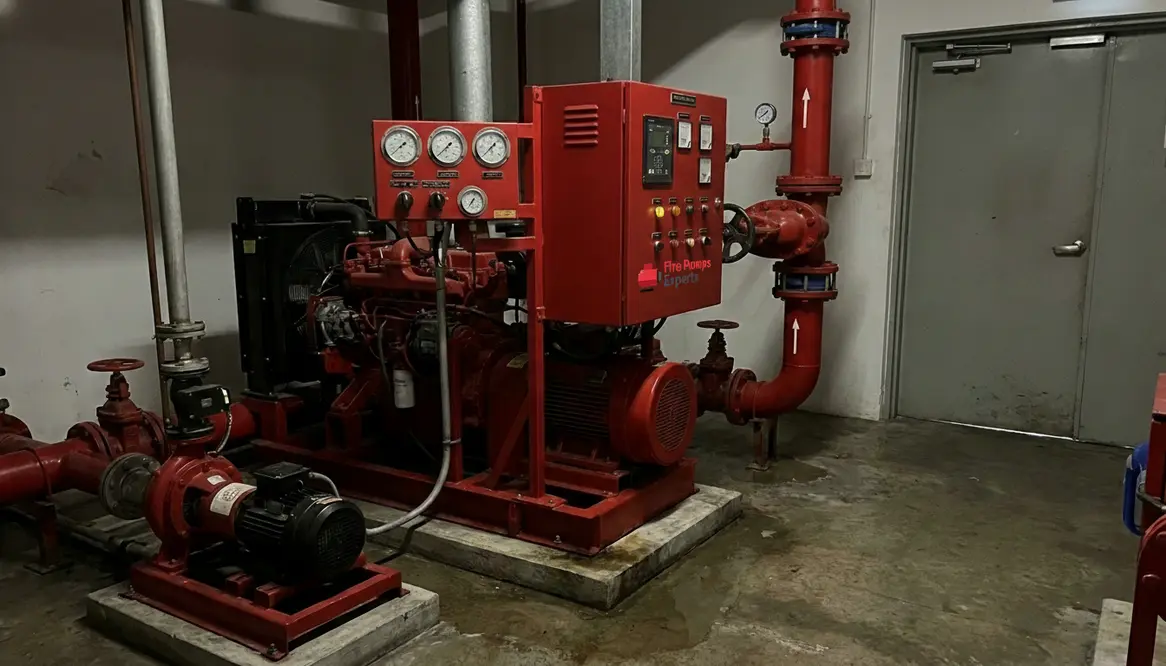
Malaysia Fire Pump Requirements for Commercial Buildings
When I look at a Malaysia commercial property, I do not just see walls, glass, and a polished lobby. I see a system that must work when smoke rises, alarms sound, and everyone starts moving faster than a Marvel post credit scene. At that moment, the fire pump becomes one of the quiet heroes in the building. It feeds the sprinkler and hydrant systems with the pressure they need, and in a real fire, that pressure can make all the difference.
For commercial buildings in Malaysia, fire pump setup is not a nice extra. It is part of proper fire protection, and it must match local fire safety rules, building size, and risk level. So, if you manage a mall, office tower, industrial site, or major property development, this guide will help you understand what matters and why the details matter more than people think.
When a Malaysia commercial project grows taller or more complex, the fire pump becomes even more critical. High atriums, basement car parks, linked podiums, and mixed-use towers all push the system harder. The water has to travel farther, fight gravity, and still arrive with enough pressure to control a fire. That is why a “standard” approach rarely works for serious commercial sites.
Good design means the fire pump is sized, located, and powered with the worst-case scenario in mind, not just the easiest day on the drawings. It also means leaving enough space and access for the people who will test, repair, and upgrade the system years after the building opens.
What fire pump rules apply to Malaysia commercial buildings?
I always start with the basics. A commercial building in Malaysia must support its fire protection system with the right water supply and pump capacity. The exact requirement depends on the building type, height, floor area, occupancy load, and the fire risk inside the site. In practice, that means the fire pump must deliver enough water pressure to reach the highest and farthest points of the building without losing strength.
The system usually includes a main fire pump, a backup pump, and a jockey pump. The main pump handles the heavy work. The backup pump steps in if the first one fails. Meanwhile, the jockey pump keeps pressure stable, so the main pump does not switch on every time the system sneezes. Yes, even fire systems hate unnecessary drama.
In Malaysia, building owners and consultants must also align the system with local fire authority expectations, common engineering standards, and approved design plans. Because of that, I always advise commercial owners to treat fire pump planning as a design issue first, and a compliance issue every step after that.
Core expectations for Malaysia commercial properties
- Reliable water supply sized for the design fire scenario
- Fire pump capacity that matches sprinklers, hydrants, and risers
- Redundancy in key components where required by risk and building use
- Documentation that shows calculations, drawings, and approvals
Why “good enough” is not enough
A fire pump that looks fine on a checklist can still fail if the design ignores realistic pressure losses, future tenant changes, or poor installation. Malaysia commercial buildings often go through multiple fit-outs, and the system has to cope with all of them without losing performance.
How I size fire pumps for commercial properties
To size a fire pump correctly, I look at the full fire load of the building. I check the number of sprinkler heads, hose reel points, hydrants, pump room layout, water tank capacity, and the vertical lift needed to serve upper floors. Then I confirm whether the building uses wet risers, dry risers, sprinklers, or a mix of systems.
The pump must support the system under real conditions, not just on paper. That means I need to know:
- the highest point the water must reach
- the pressure needed at the most remote outlet
- the flow demand during a fire event
- the amount of stored water available on site
- the power source for the pump set
Here is a simple dual view of how I think about sizing:
Demand side
Demand side includes the building height, outlet count, and fire system type.
Supply side
Supply side includes tank size, pump capacity, and backup power.
When these two sides match, the system works. When they do not, the building may pass a quick glance but fail when heat builds up. And nobody wants that kind of plot twist.
Malaysia commercial fire pump room setup and compliance
The pump room matters just as much as the pump itself. I make sure it stays dry, easy to access, protected from flood risk, and built for maintenance teams to work safely. A cramped pump room is like trying to fix a piano inside a broom closet. It can be done, but nobody enjoys it.
The room should support proper ventilation, lighting, drainage, and clear labels for valves, controllers, and switches. Also, the pumps must sit on a stable base and connect to the pipework without stress or vibration issues. If the room gets too hot, too damp, or too hard to reach, the system loses reliability over time.
For commercial and industrial sites, I also pay close attention to test lines, pressure gauges, alarm signals, and emergency power backup. These details may seem small, yet they decide whether the system responds fast and keeps running during a real emergency.
What I check during testing and maintenance
A fire pump is not a “set it and forget it” machine. It needs testing, logs, and regular checks. I usually review weekly or monthly test runs, controller functions, water levels, battery health, and valve positions. Then I confirm that the pump starts when pressure drops and that it reaches the needed output.
During maintenance, I look for:
- leaks around seals and joints
- rust or corrosion on key parts
- low suction pressure
- controller faults
- blocked strainers or valves
Regular service helps prevent failure, and it also supports compliance records. In a commercial building, a clean maintenance log is not just paperwork. It is proof that the system can do its job when people need it most.
FAQ: Malaysia fire pump requirements for commercial buildings
Final thoughts and next step
If I want a Malaysia commercial building to stay ready, I do not treat the fire pump as background equipment. I treat it as a core safety system that must match the building, the risk, and the rules. So, if you manage a commercial tower, industrial site, or major property, now is the time to review your pump setup, test schedule, and compliance records. Speak with a fire pump specialist today, and make sure your building is ready before the real test arrives.