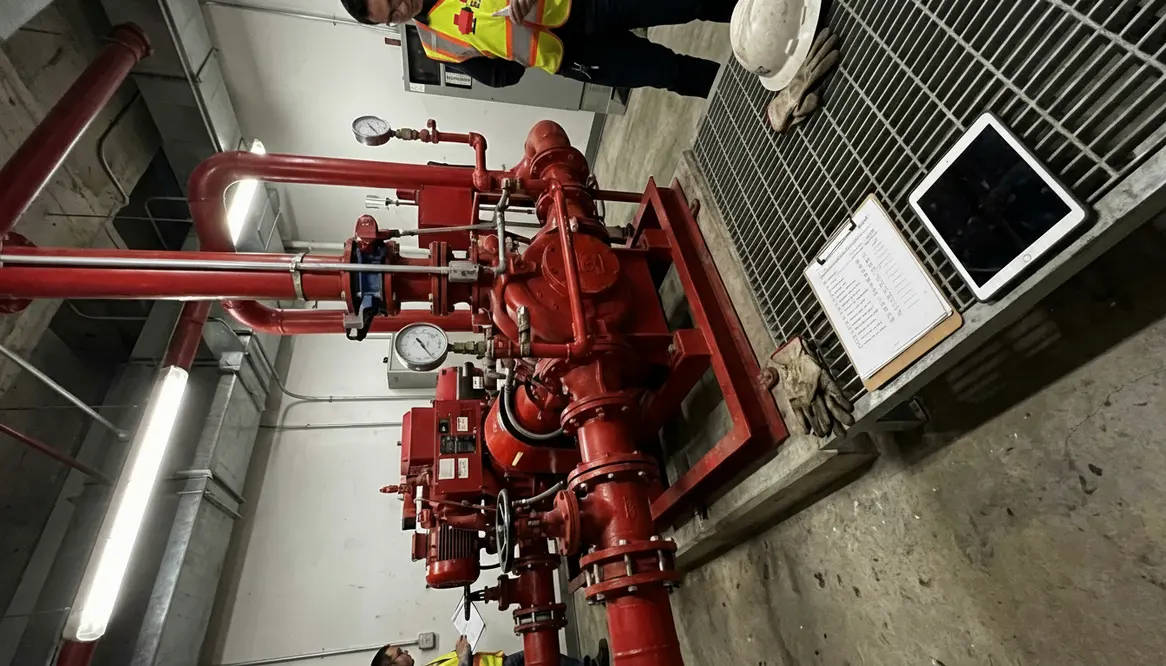
Manhattan Fire Code Fire Pump Maintenance Guide
I have spent enough time around fire pumps to know one thing for certain. The rules are never as simple as they look on paper. Especially when you are working under the Manhattan fire code, where expectations are high, inspections are strict, and shortcuts are about as welcome as a candle factory in a fireworks warehouse. In this piece, I will walk you through how city specific regulations shape fire pump maintenance plans, and why ignoring those details can turn a routine check into a very expensive lesson.
How do city specific fire codes shape fire pump maintenance plans?
City specific fire codes do not just suggest what to do. They dictate how often, how thoroughly, and sometimes even how creatively you must maintain your fire pump systems. In Manhattan, for example, local fire regulations demand tighter inspection intervals and more detailed documentation than many other regions.
Because of that, I cannot rely on a generic maintenance checklist. Instead, I build plans that reflect the local code environment. That means aligning weekly churn tests, annual flow tests, and component inspections with what inspectors expect to see, not just what a manufacturer recommends.
Additionally, these codes often evolve. So while your system might have passed inspection last year, this year’s requirements may quietly raise the bar. Staying ahead of that curve is not optional. It is survival.
Manhattan fire code compliance requires precision, not guesswork
When I work under the Manhattan fire code, I approach maintenance like a watchmaker, not a handyman. Every valve position, every pressure reading, and every log entry matters.
For commercial and industrial facilities, this level of precision is critical. High rise buildings, large scale manufacturing plants, and major property complexes depend on fire pumps that perform instantly under pressure. Therefore, maintenance plans must include:
- Detailed weekly and monthly testing routines
- Verified performance benchmarks during annual flow tests
- Documentation that matches inspection standards exactly
And yes, inspectors will notice if something feels off. They have seen every trick in the book. Trying to “eyeball it” is like trying to fake your way through a piano recital. Eventually, someone will ask you to play.
Why maintenance frequency changes from city to city
Not all cities treat fire protection systems the same. Some regions allow longer intervals between tests. Others, like Manhattan, tighten the schedule due to population density and building complexity.
As a result, I adjust maintenance frequency based on three key factors:
- Building risk profile which includes occupancy type and size
- Local enforcement intensity meaning how strict inspections tend to be
- Infrastructure age since older systems often require closer monitoring
Moreover, urban environments place more stress on fire protection systems. High demand, fluctuating water supply conditions, and constant system readiness all play a role. So even if two buildings use identical pumps, their maintenance plans may look completely different depending on location.
What does a city compliant fire pump maintenance plan include?
Core Technical Tasks
- Weekly churn tests with logged pressure readings
- Monthly controller inspections and alarm checks
- Annual flow testing under full load conditions
- Valve and pipe condition assessments
Compliance and Documentation
- Inspection logs aligned with local fire code formats
- Immediate reporting of deficiencies
- Service records ready for audit review
- Coordination with fire department inspections
What makes this interesting is not just the tasks themselves. It is how they are documented and presented. In cities governed by strict codes like those in Manhattan, paperwork is not an afterthought. It is part of the system.
In fact, I have seen perfectly functioning fire pumps fail inspections simply because the documentation did not meet expectations. That is a painful way to learn that compliance is both mechanical and administrative.
Manhattan fire code and the role of inspections in long term reliability
Inspections are not just about catching problems. They shape how maintenance plans evolve over time. Under the Manhattan fire code, inspection feedback often leads to immediate plan adjustments.
For example, if an inspector flags inconsistent pressure readings, I do not just fix the issue. I increase monitoring frequency and refine testing procedures. Over time, this creates a feedback loop where maintenance becomes smarter and more targeted.
Additionally, frequent inspections push facilities to stay proactive. No one wants to scramble before an audit. It is a bit like cleaning your house before guests arrive, except the guests carry clipboards and can issue violations.
How I adapt fire pump strategies for commercial and industrial buildings
Large scale properties bring unique challenges. High demand systems, complex layouts, and critical uptime requirements mean there is very little room for error.
So I tailor maintenance plans to match operational realities. For example, in a manufacturing facility, I may schedule testing during low production hours to avoid disruption. Meanwhile, in a high rise commercial building, I coordinate closely with building management to ensure tenant safety during inspections.
Furthermore, I factor in redundancy. Many major buildings rely on backup systems, so I ensure those systems receive equal attention. After all, a backup pump that fails is not really a backup. It is just expensive decoration.
If you want a deeper technical foundation for your maintenance plans beyond the Manhattan fire code, it helps to understand how national standards like NFPA 20 fire pump requirements tie into local enforcement. Together, they shape how pumps are installed, tested, and documented over their entire service life.
FAQ
Conclusion
If you manage a commercial or industrial property, do not treat fire pump maintenance like a box to check. Build a plan that respects local codes, especially in demanding environments like Manhattan. The right approach protects your building, keeps inspections smooth, and prevents costly surprises.
If you want a maintenance strategy that actually holds up under scrutiny, now is the time to take it seriously and get it done right. That means understanding how the Manhattan fire code shapes testing, documentation, and long term reliability, then applying that insight consistently instead of waiting for the next inspector to point out what you missed.