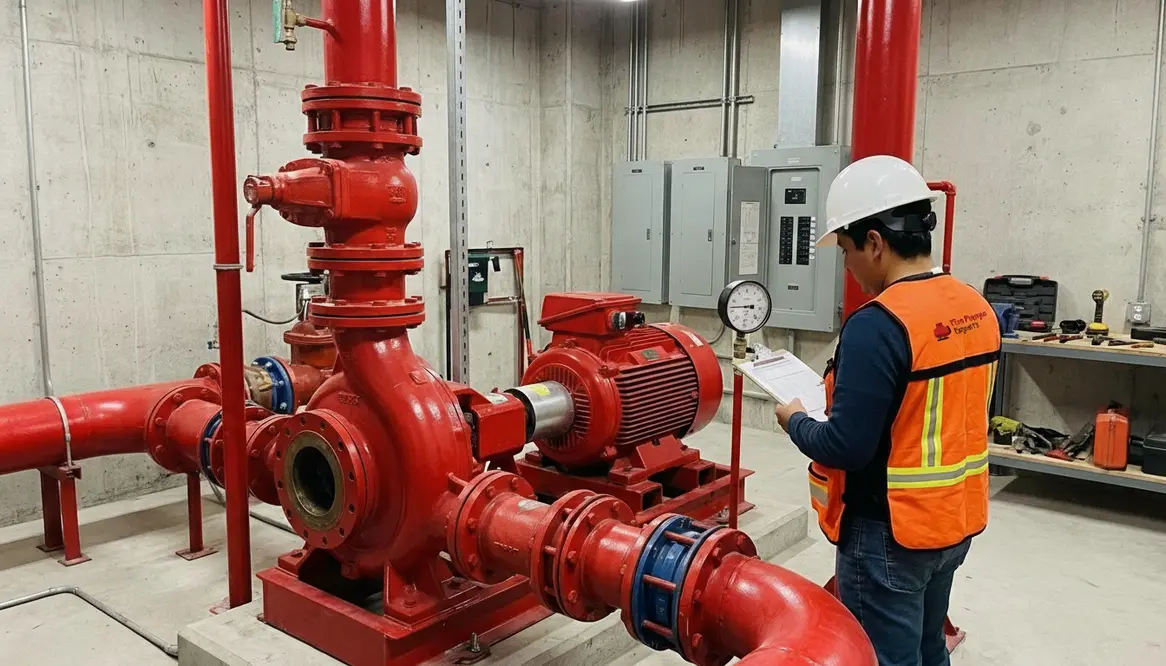
Mexico Fire Pump Compliance Guide for Buildings
When I talk about Mexico compliance for fire pumps, I am not talking about paperwork for the sake of paperwork. I am talking about keeping commercial and industrial buildings ready when the heat rises and the pressure drops. In plain terms, a fire pump can be the quiet hero in a crisis. It sits there, day after day, doing its job like a dependable supporting actor, until the moment it becomes the star. And yes, when that moment comes, nobody wants a system that acts like it skipped rehearsal.
For major properties, factories, warehouses, high rise buildings, and large commercial sites, the rules matter. So do the details. I will walk through the main points of compliance, how I review them, and what building owners should check before the inspector shows up with that very serious face.
What Mexico compliance means for fire pump systems
In my experience, compliance starts with matching the fire pump setup to the building’s risk, water supply, and fire protection design. I always look at the pump type, power source, controller, suction line, discharge line, and test setup. If one piece fails, the whole system can lose strength fast. That is the kind of plot twist nobody wants.
For commercial and industrial buildings, I also check that the fire pump supports the full sprinkler and standpipe demand. Moreover, the system must fit local requirements, project plans, and the approved fire protection design. A strong compliance review does more than confirm parts on a checklist. It confirms that the building can actually deliver water at the right pressure during a fire event.
Fire pump requirements I check first
When I start a review, I focus on the core parts that make or break performance:
1. Pump capacity and pressure
I confirm that the pump can meet the needed flow and pressure for the building’s system demand. If the pump is too small, the fire system may fail when it matters most.
2. Power source
I verify the pump has a reliable power supply. This may include electric or diesel setup, depending on the design. I also check backup support, because power failures love bad timing.
3. Controller and alarms
I make sure the controller works, the signals are clear, and the alarms notify staff fast. A fire pump should not play hide and seek.
4. Suction and discharge arrangement
I inspect the piping for proper size, correct installation, and smooth flow. Poor piping can choke performance even when the pump itself is solid.
5. Testing access
I confirm that staff can test the pump without trouble. If a system cannot be tested, then it cannot be trusted. That is not drama. That is maintenance.
How I review building records and inspection logs
Records tell the real story. First, I review installation documents, manufacturer data, test reports, and maintenance logs. Then I compare those records with the actual equipment on site. If the paperwork says one thing and the machine says another, I stop and dig deeper.
Regular testing matters too. I look for weekly, monthly, and annual checks, along with flow tests and service records. These logs help show whether the pump has stayed in good shape or slowly turned into a future problem. Also, for owners managing multiple sites, clean records make audits easier and stress lower. And frankly, lower stress is always a win.
Key compliance checks at a glance
Compliance check
- Pump sizing
- Power reliability
- Controller function
- Weekly testing
- Annual flow testing
Why I care
- It must match the building demand
- It keeps the system ready during outages
- It supports fast response and clear alerts
- It shows the pump can still perform
- It confirms real output, not just hopeful thinking
Common mistakes that hurt Mexico compliance
I see the same mistakes again and again. First, some buildings install a pump that looks fine on paper but cannot support the real system load. Next, some owners skip routine testing because “it worked last year.” That logic is about as comforting as a thunderstorm in a paper tent.
Another issue is poor coordination between the fire pump, water supply, and sprinkler system. If one part is weak, the whole chain suffers. In addition, many sites lose points because they do not keep maintenance records current. Inspectors want proof, not promises. Finally, I often find access problems around the pump room. If staff cannot reach the equipment fast, response time suffers.
How I prepare a commercial building for inspection
Before any inspection, I walk the site with a simple goal: remove surprises. I check labels, gauges, valves, power sources, alarms, and room conditions. Then I confirm the pump room stays clean, dry, and easy to access. A cluttered pump room is a bit like a movie set with no exits. Not ideal.
I also recommend a pre inspection test run. This helps reveal weak pressure, odd noise, vibration, or delayed start issues. Those signs often point to deeper trouble. Therefore, catching them early can save time, money, and a lot of uncomfortable meetings.
If a building needs more technical support, I often suggest reviewing a trusted commercial fire pump compliance resource for Mexico so the team can align design, service, and inspection work with the site’s needs.
Why consistent Mexico compliance protects buildings
Ongoing Mexico compliance is less about passing an inspection and more about proving that every part of the system can handle a real emergency. When the pump, power source, controls, and piping all support each other, the building has a fighting chance during a fire. When they do not, it usually shows up at the worst possible time.
Keeping records tight, testing on schedule, and treating the pump room as critical space, not storage space, are simple habits that prevent ugly surprises. They also give owners confidence that their investment, staff, and operations are better protected when the unexpected happens.
FAQ
Conclusion
If I want a fire pump system to pass review and protect people, I do not guess. I test, verify, document, and fix weak spots before they grow teeth. That is the real path to Mexico compliance for major buildings. So if your commercial or industrial site needs a closer look, now is the time to act. Review your pump system, update your records, and bring in expert support before a small issue becomes a very expensive headline.