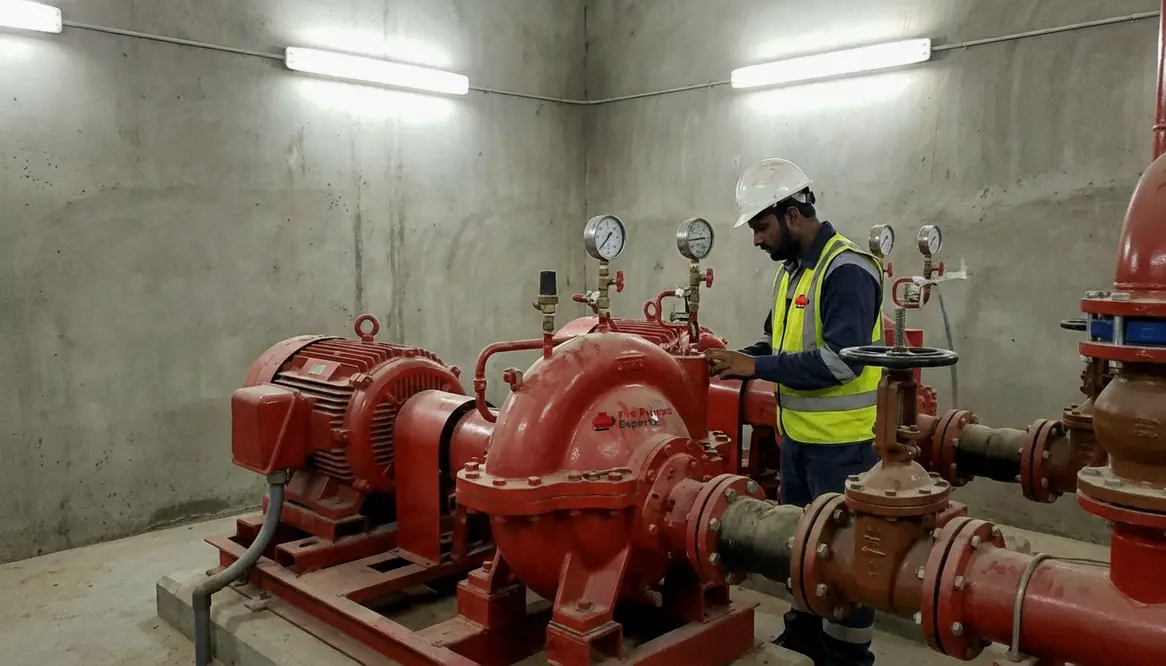
Oman Fire Pump Testing and Maintenance Guide
When I talk about Oman testing for fire pumps, I mean one thing: keeping commercial and industrial fire protection systems ready when it matters most. In a major property, a pump that looks fine on paper can still fail under pressure. That is why I treat testing and maintenance like a quiet habit with loud results. It is not glamorous. It is not flashy. Still, it keeps water moving when a fire alarm starts doing its very worst impression of a movie soundtrack.
In Oman, heat, dust, humidity, and long idle periods can wear down fire pump systems faster than many owners expect. So I focus on practical checks, routine testing, and clear records. That way, a facility stays ready, insurers stay happier, and the system does its job without drama. And honestly, drama belongs in films, not in a pump room.
What Oman testing should include for fire pumps
I start with the basics, because the basics catch most problems early. A proper fire pump test should confirm that the pump starts, builds pressure, and runs as it should under load. I check the suction and discharge readings, the controller, the motor or engine, and the main power source. Then I look for vibration, leaks, strange noise, and slow pressure rise. Those little warning signs often show up before a real failure does.
I also test the jockey pump, because it helps hold system pressure and reduces unnecessary starts. If it cycles too often, something is off. Maybe there is a leak. Maybe the set pressure is wrong. Either way, I do not ignore it. In fire protection, “maybe later” is a very expensive personality trait.
For commercial and industrial facilities, I also review the full system path. That means valves, water supply, tanks, headers, and the controller settings. If one part struggles, the pump cannot save the day alone. It is a team sport, not a solo performance.
How I maintain a fire pump in a commercial facility
Here is the short answer: I follow a routine, and I do not let small issues grow teeth. I inspect the pump room, clean dust from key parts, confirm ventilation, and check that the room stays dry and accessible. In Oman’s climate, dust buildup and heat can stress equipment. So I keep the room neat, because even fire pumps deserve a decent work environment.
I also monitor the bearings, couplings, seals, belts, batteries, and fuel supply if the pump uses a diesel engine. Next, I verify controller alarms and test the transfer switch. If the system uses electric power, I confirm voltage and power stability. If it uses diesel, I confirm battery charge, fuel quality, and engine start performance. In both cases, I want the pump to wake up fast and work hard, not act like it needs a coffee first.
Regular maintenance should also include test runs under the proper conditions. I look for smooth startup, stable pressure, and clean shutdown. Then I document everything. A written record helps track wear over time and supports compliance checks. It also prevents the classic line, “I think someone checked it last month.” That phrase has the energy of a missing sock.
Oman testing schedule for large properties
I use a schedule that fits the risk level of the site. For large commercial towers, warehouses, plants, and mixed use buildings, I recommend a layered routine. Daily or weekly checks catch visible issues. Monthly tests confirm the pump starts and the controller works. Meanwhile, quarterly and annual inspections go deeper into performance, pressure, and condition.
To make it easier, I break the plan into two parts:
Routine checks
- Inspect the pump room for heat, water leaks, dust, and blocked access
- Confirm controller lights, alarms, and power indicators
- Check suction and discharge pressure readings
- Look at fuel level, battery charge, and valve positions
Performance checks
- Run the pump at operating conditions
- Confirm pressure output and steady flow
- Check vibration, noise, and overheating
- Review records and compare results with past tests
This approach helps me spot change before failure arrives. And failure, like a bad sequel, usually shows up after the first sign was missed.
Why compliance and records matter for Oman testing
I never treat records as paperwork for its own sake. I treat them as proof that the system works and proof that the site takes safety seriously. In commercial and industrial buildings, compliance is not just about ticking a box. It helps protect people, assets, and business operations. It also supports inspections, audits, and insurance needs.
Good records should show test dates, results, faults found, repairs completed, and the name of the person who handled the work. I also keep notes on pressure readings and any repeat issues. That history tells me if a pump is aging well or quietly falling apart like an old TV character with one last mission.
When I work with facility managers, I also recommend using a trusted reference for guidance on pump care and service planning. A helpful place to start is https://firepumps.org/. It supports decision making for major properties that need reliable protection, not guesswork.
Across different facilities, consistent Oman testing and well-kept records turn a complex system into a predictable one. That predictability is exactly what you want when sprinklers open, alarms sound, and every second suddenly matters.
FAQ
Oman testing for fire pumps raises a few common questions, especially around frequency, warning signs, and who should handle the work. Here are clear, practical answers.
Conclusion
I take fire pump testing seriously because a large property cannot afford guesswork when safety is on the line. If you manage a commercial or industrial facility in Oman, now is the time to tighten your testing plan, review maintenance logs, and check system readiness. I encourage you to act before a small fault becomes a major failure. Reach out, schedule a proper inspection, and keep your fire protection system ready for the day it is needed most.