Bahrain Fire Pump Compliance Guide for Facilities
When I talk about Bahrain compliance for fire pumps, I am not talking about paperwork for the sake of paperwork. I am talking about keeping commercial and industrial facilities ready when the worst day decides to show up uninvited. In Bahrain, a fire pump is not just a machine in a corner room. It is part of the life safety system that protects people, assets, and business continuity. If it fails, the whole protection chain takes a hit, and that is not the kind of surprise anyone wants before a fire drill, let alone a real event.
So, if you manage a factory, warehouse, tower, hotel, mall, or large mixed use property, this guide will help you understand what matters, what inspectors look for, and how I approach fire pump readiness with a calm, practical plan. No drama. No smoke and mirrors. Just the facts, with a little human rhythm so the subject does not feel like a sleep aid.
What Bahrain Fire Pump Rules Mean for Facilities
I treat fire pump compliance as a full system responsibility. The pump must match the building risk, the water supply, and the fire protection design. It must also support the approved fire system layout, including sprinklers, hydrants, and hose reels where applicable. In Bahrain, authorities expect facilities to keep the pump reliable, accessible, and ready for operation at all times.
That means I look at three things first: design, installation, and ongoing maintenance. If one of those slips, the whole setup can become less useful than a superhero with no power. And yes, that happens more often than anyone likes to admit.
How I Check Fire Pump Readiness in Commercial Buildings
Getting the basics right
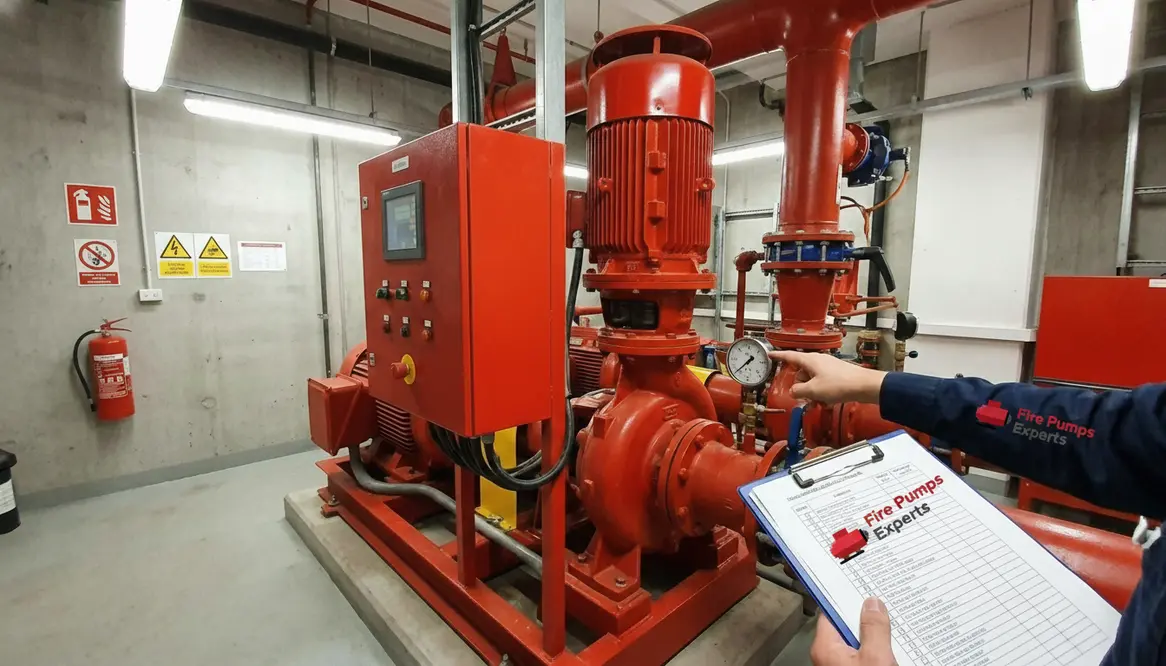
I start with the basics, because the basics are where most problems hide. The pump room must stay clean, easy to reach, and free from storage, leaks, and clutter. Then I check the pump type, controller, suction line, pressure settings, and power source. For diesel pumps, fuel condition and battery health matter. For electric pumps, power supply and controller function matter just as much.
How the system behaves under pressure
Next, I make sure the facility team knows how the system behaves in normal and emergency modes. A good fire pump should start when demand drops pressure below the set point. It should also run smoothly, without strange noise, shaking, or slow response. If it sounds like it belongs in a horror movie, it needs attention fast.
Bahrain Compliance Checklist For Inspections
Here is the part I always keep simple and direct. When I review Bahrain compliance for fire pumps, I focus on the same core points every time:
Daily and weekly checks
I confirm pressure levels, controller status, power supply, and visible leaks.
Monthly checks
I test pump operation, inspect valves, review fuel or battery condition, and verify alarms.
Quarterly and annual checks
I compare performance against the approved design and service records, then correct any drop in output.
Documentation
I keep clear logs, test results, repair notes, and service dates ready for review.
That is the heart of it. Strong records make inspections smoother, and they also help catch small issues before they turn into expensive ones. Nobody enjoys a last minute panic hunt through old folders. It feels a bit like searching for a remote that is already in your hand.
What Inspectors Expect From Fire Pumps In Bahrain
Inspectors want proof that the system works, not just promises with a shiny cover. So I make sure the facility can show maintenance logs, test history, pump identification, controller details, and any repair work done by a qualified team. They also look at whether the pump has enough access for service and whether the room supports safe operation.
They may also ask about alarm signals, duty pump and standby pump arrangement, and backup power if the design requires it. Because a fire pump is only useful if it can do its job during stress, not only on a quiet Tuesday morning with the air conditioning humming.
How I Reduce Risk With The Right Maintenance Plan
I build maintenance around three goals: reliability, response, and documentation. First, I schedule routine inspections before faults build up. Then I run functional tests that reflect real demand. After that, I correct issues quickly and record every action.
For industrial sites, I pay special attention to vibration, corrosion, heat, and water quality. For major property buildings, I watch for access issues, control panel faults, and problems caused by poor housekeeping. Small neglect can grow fast in both settings. Fire safety does not wait politely in the lobby.
Dual View Of Compliance Planning
This simple split helps me plan the right checks without wasting time on the wrong details. Different buildings need different eyes. One size does not fit all, unless we are talking about bad hotel coffee, and even then I would still argue.
| Facility risk | My focus |
| Warehouse or factory | Pump capacity, water demand, vibration, corrosion, and clear service access |
| High rise or large mixed use building | Controller health, backup supply, pressure stability, and inspection records |
Practical Bahrain Compliance Mindset For Facilities
When I look at Bahrain compliance across different facilities, I keep the mindset practical. It is not about impressing anyone with a wall of binders. It is about making sure pumps start when pressure drops, water flow matches the risk, and the people on site are not guessing which button to press when alarms start yelling.
The most effective sites I see treat fire pumps as part of everyday reliability, alongside power systems and critical production equipment. They avoid last minute fixes and build a rhythm of checks that fits their operations without turning the whole thing into a circus.
FAQ
Conclusion
If you manage a commercial or industrial facility in Bahrain, I urge you to treat fire pump readiness as a working part of daily safety, not a forgotten item on a long list. I can help you build a practical inspection plan, close compliance gaps, and keep your system ready for real demand. The next step is simple: review your current fire pump setup now, then schedule a proper check before a small issue becomes a very loud problem. For more structured guidance on system performance and testing, resources like https://firepumps.org can support your own Bahrain compliance roadmap and help you ask sharper questions during your next inspection.