Singapore Fire Code Fire Pump Requirements Guide
A clear, practical guide to what your fire pump system must actually do when the building is full, the pressure is low, and the alarm is threatening to wake the entire neighborhood.
Singapore Fire Code Fire Pump Requirements Explained
When I talk about Singapore Fire Code requirements for fire pumps, I am talking about the quiet giants that keep commercial and industrial buildings safe when things go sideways. In the first 100 to 150 words, let me be clear: the code expects fire pump systems to support reliable water delivery for firefighting, especially in large properties where a weak supply is not an option. That means proper pump selection, enough pressure, backup power, and regular testing all matter. It may not sound glamorous, but neither does a fire alarm until it starts screaming like it just saw a ghost.
For major property buildings, factories, warehouses, and other commercial sites, the fire pump is not a side character. It is part of the main plot. So, let me break it down in plain English, with enough detail to help you make smart decisions without needing a fire engineering degree and a pot of coffee the size of a drum.
What the Singapore Fire Code expects from a fire pump system
I always start with the big picture. The fire pump must provide enough water flow and pressure to serve the sprinkler or hose reel system during a fire. In practice, this means the system must meet the required design demand for the building type and risk level. Larger commercial and industrial facilities usually need stronger setups because the water has to travel farther and still arrive with force. Gravity does not care about your building schedule, after all.
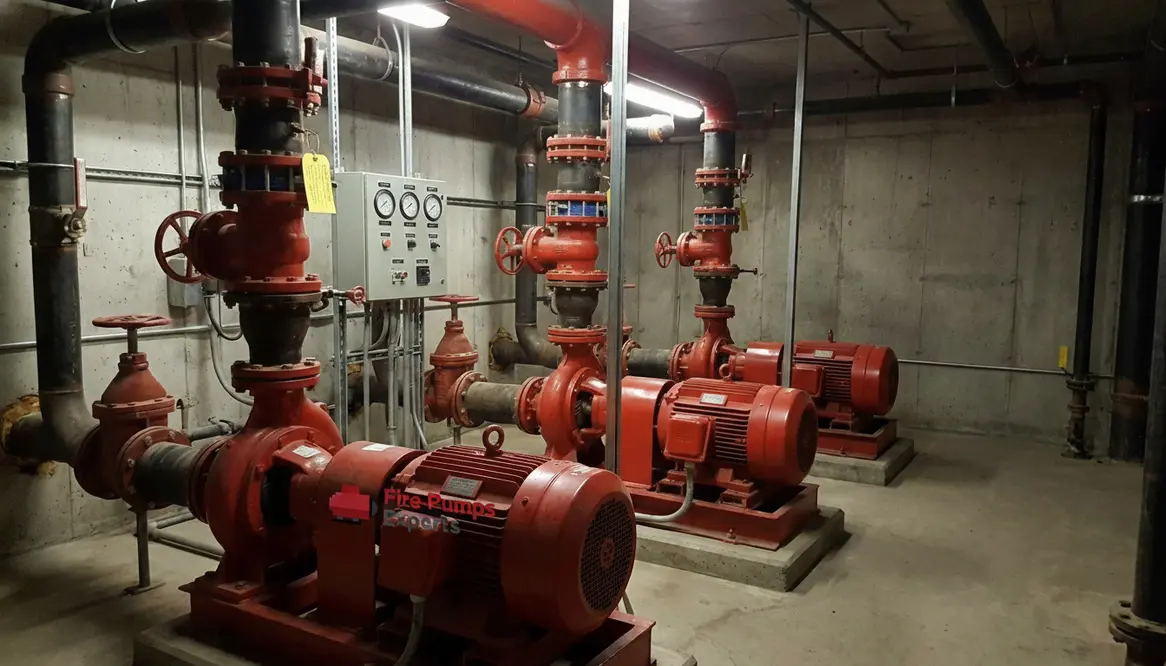
Under the Singapore Fire Code requirements, the fire pump system should support dependable firefighting performance. That usually includes a duty pump, a standby pump where needed, and a jockey pump to keep the system pressure stable. The jockey pump handles small pressure drops so the main pumps do not keep waking up like a cat at 3 a.m. This helps reduce wear and keeps the whole setup ready.
Key performance expectations at a glance
- Adequate pressure at the most remote hydrant, hose reel, or sprinkler head
- Reliable starting under fire conditions, including power interruptions
- Compatibility with the building’s hazard classification and usage
- Capacity to handle future expansion where reasonably expected
When these boxes are ticked, the system does more than “pass inspection”; it actually stands a chance of performing when the temperature and the stress levels start to climb together.
Fire pump types and why each one matters
Here is where the system gets practical. Most commercial and industrial properties use a few common pump roles:
- Duty pump: This is the main workhorse. It starts when fire water demand rises.
- Standby pump: This acts as backup if the duty pump fails or cannot keep up.
- Jockey pump: This keeps pressure steady and stops false starts.
The code does not treat these as fancy extras. Instead, it treats them as parts of one reliable chain. If one link fails, the whole fire protection setup feels it. That is why I always look at how the pumps work together, not just at one machine sitting in a room looking important.
How I check fire pump room and installation rules
The fire pump room matters as much as the pump itself. The Singapore Fire Code requirements call for proper access, safe layout, and enough space for operation and maintenance. I look for clear entry, good ventilation, lighting, and protection from flooding or heat. A pump room should not feel like a forgotten storage cupboard with heroic ambitions.
Also, the pumps must sit on a stable base, with proper pipe support and controls that are easy to reach. If the room design makes servicing hard, problems tend to grow quietly until the worst possible day. And as we all know, the worst possible day rarely comes with a warning label.
Practical design checks inside the pump room
- Doors that open outwards and are not blocked by stored equipment
- Clear working space around pumps, controllers, and valves
- Drainage routes so leaks and test flows do not flood the room
- Safe routing of power cables and fuel lines for diesel-driven pumps
Most important compliance checks
Check
- Pump capacity
- Backup power
- Pressure control
- Access and clear space
- Testing and records
Why it matters
- It must meet the required firefighting demand.
- It keeps the system working during electrical failure.
- It prevents weak flow and system stress.
- It supports fast inspection and repairs.
- It proves the system is ready, not just installed.
Singapore Fire Code requirements for testing and maintenance
This part often gets ignored until someone asks for records and everyone suddenly discovers the folder of mystery. Regular testing is not optional. The system needs routine checks, flow tests, pressure checks, and inspection of alarms, valves, and controllers. The goal is simple: make sure the pump starts when it should and delivers what the building needs.
In commercial and industrial buildings, I recommend treating maintenance as part of daily risk control, not as a once in a while chore. A pump can look fine and still fail under load. That is why records matter. They show patterns, catch slow drops in performance, and help building teams act before small issues become expensive ones.
Simple habits that keep pumps honest
- Log every test: date, time, flow, pressure, and any odd behavior
- Review trends quarterly, not just during annual audits
- Link test schedules to the overall fire safety plan so nothing drifts
- Train the on-site team so at least a few people understand the basics
Common mistakes I see in major properties
There are a few repeat offenders in this area. First, some sites install a system that looks compliant on paper but struggles in real use. Second, some owners skip testing because the pump room is out of sight and out of mind. Third, some teams forget that changes to the building, such as added floors, new storage loads, or layout changes, can affect fire pump demand.
That is why I always say compliance is not a one time trophy. It is a living part of the building. If the property grows, the fire protection setup must grow with it. Otherwise, the system becomes the kind of “good enough” plan that works right up until it really, really does not.
Linking design, operations, and future changes
When a site adds mezzanine levels, stacks storage higher, or converts quiet offices into busy production space, the original fire pump calculations may no longer match reality. Checking those changes against the Singapore Fire Code requirements and updating the fire strategy makes the difference between a system that merely passed its inspection years ago and one that is ready for the next decade.
FAQ
Conclusion
If you manage a commercial or industrial property, I urge you to treat fire pump compliance as a core safety priority, not a paperwork task. The Singapore Fire Code requirements protect people, property, and operations when minutes matter most. So, review your setup, test it well, and fix weak points before they become real trouble. If you want expert support for major properties, now is the time to act, not after the alarm starts singing its dramatic little song.