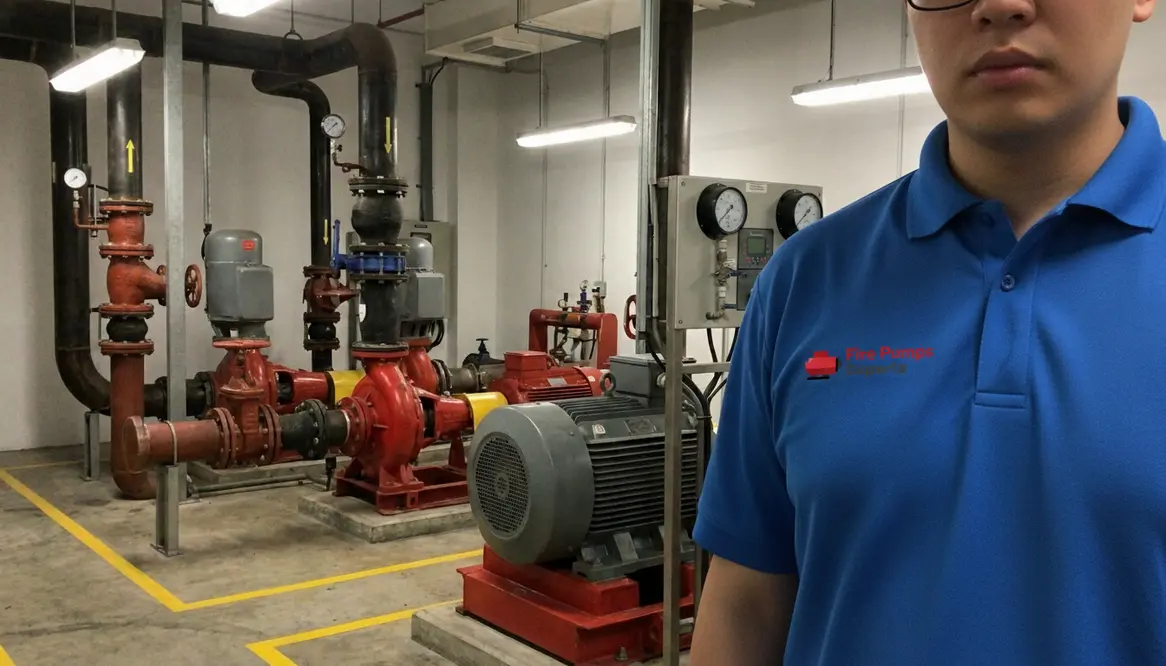
Singapore Fire Pump Requirements Commercial Buildings
Singapore Fire Pump Requirements for Commercial Buildings can feel like one of those topics that only wakes up when an inspection notice lands on your desk. Still, I see it as the quiet engine room of building safety. In Singapore, fire pump standards guide how commercial and industrial properties keep water pressure ready when a fire alarm turns the day into a bad movie sequel. These rules matter because a pump that fails at the wrong moment does not just cause stress; it can slow down fire suppression across the whole building. So, I will walk through the key rules, what they mean in practice, and how I keep these systems ready for real world use.
What Singapore fire pump standards mean for my building
I start with the big picture. Fire pump standards in Singapore exist to make sure a building can deliver enough water, at the right pressure, for fire fighting systems. That includes tall office towers, malls, factories, warehouses, and other major properties. These rules support hydrants, hose reels, sprinklers, and other systems that need steady water flow during an emergency.
In practice, I look at three things first. The pump must start reliably. It must supply enough pressure. Also, it must work even when the main power fails. That is why many commercial setups use a main pump, a standby pump, and a jockey pump. The jockey pump keeps pressure stable, while the main pump steps in when demand rises. It sounds simple, but like most things in life, the devil wears a hard hat.
For fire pump standards, compliance is not only about buying the right equipment. I also need proper room layout, access for maintenance, clear controls, and good supervision. If a pump room turns into a storage closet for “temporary” boxes, I already know trouble is nearby.
How I check fire pump room setup and equipment
When I review a pump room, I look at the space around the system first. The room must stay dry, secure, and easy to reach. It should not double as a random storage space for broken chairs and unused banner stands. A clean room helps with fast checks and safer service work.
I then inspect the core parts of the system.
Dual column view
What I check
Fire pump set, controller, valves, pressure gauge, suction line, discharge line, power supply, and diesel fuel system if used.
Why it matters
Each part supports pump start up, steady flow, and backup operation during power loss or system faults.
Next, I confirm that the suction source can feed the pump without air issues or blockage. I also make sure the discharge line, valves, and gauges work as they should. If the pump set uses a diesel engine, I check fuel level, battery health, ventilation, and exhaust routing. In a fire event, the pump should act like a dependable sidekick, not a dramatic extra who vanishes in scene two.
Why inspections and testing keep commercial properties safe
Regular testing keeps fire pump standards alive in the real world. A pump can look fine on paper and still fail under pressure, which is not the kind of surprise anyone wants. Therefore, I treat inspection and testing as a basic habit, not a once in a blue moon event.
I normally focus on three levels of checks. First, I do visual inspections for leaks, noise, rust, loose fittings, and warning lights. Then I confirm pressure readings and controller status. After that, I run performance tests to see whether the pump starts, holds pressure, and moves water as needed.
For commercial and industrial buildings, these tests protect operations in more ways than one. They support life safety, reduce downtime, and help avoid costly repair work later. In other words, a short test now can save a very long headache later. And yes, that headache tends to arrive with paperwork.
I also keep records. Good logs help me spot slow changes before they turn into failure. They also make audits and authority checks much smoother. Nobody enjoys explaining why a pump has “probably been fine” since last year.
Singapore fire pump standards and maintenance checks I never skip
Maintenance is where many buildings either stay ready or drift into risk. I always say a fire pump system should age with dignity, not with mystery noises. So I keep a routine that covers the essentials and fits the building use.
I never skip these maintenance checks:
- • Weekly run checks for controller status, pressure, and visible leaks
- • Monthly inspection of valves, batteries, fuel, and pump room condition
- • Periodic flow and performance testing to confirm full duty output
- • Ongoing repair of any fault, alarm, or abnormal vibration right away
I also match maintenance to the building type. A high rise office tower and a large warehouse do not age the same way. Heat, dust, heavy use, and long operating hours can all affect a pump system. So, I adjust the maintenance plan based on real site conditions, not wishful thinking.
For deeper reference, I also suggest reviewing commercial fire pump compliance guidance if you manage a major property and want a stronger handle on inspection and service planning.
How I stay ready for audits, failures, and real emergencies
Readiness comes from simple discipline. I keep the pump room clear, the records current, and the team aware of what to do if the system flags a fault. That way, I can respond before a small issue turns into a full scale problem.
I also make sure the building team knows where the shutoffs, panels, and key valves are. Moreover, I prefer a clear response plan for alarm signals, low pressure events, and pump changeover. When people know the plan, they waste less time during a real emergency.
In Singapore, commercial and industrial facilities carry serious duty when it comes to fire safety. Fire pumps are part of that duty, and fire pump standards give me the playbook. If I follow them well, I protect the building, the people inside, and the business that depends on both.
FAQ
Conclusion
If you manage a commercial or industrial property in Singapore, now is the time to treat your fire pump system as a priority, not a background task. I encourage you to review your current setup, testing records, and maintenance plan today. Then, if anything looks unclear or overdue, bring in a qualified team that works with major buildings. A ready pump is not just a box in a room. It is peace of mind, waiting quietly for the moment it matters most.