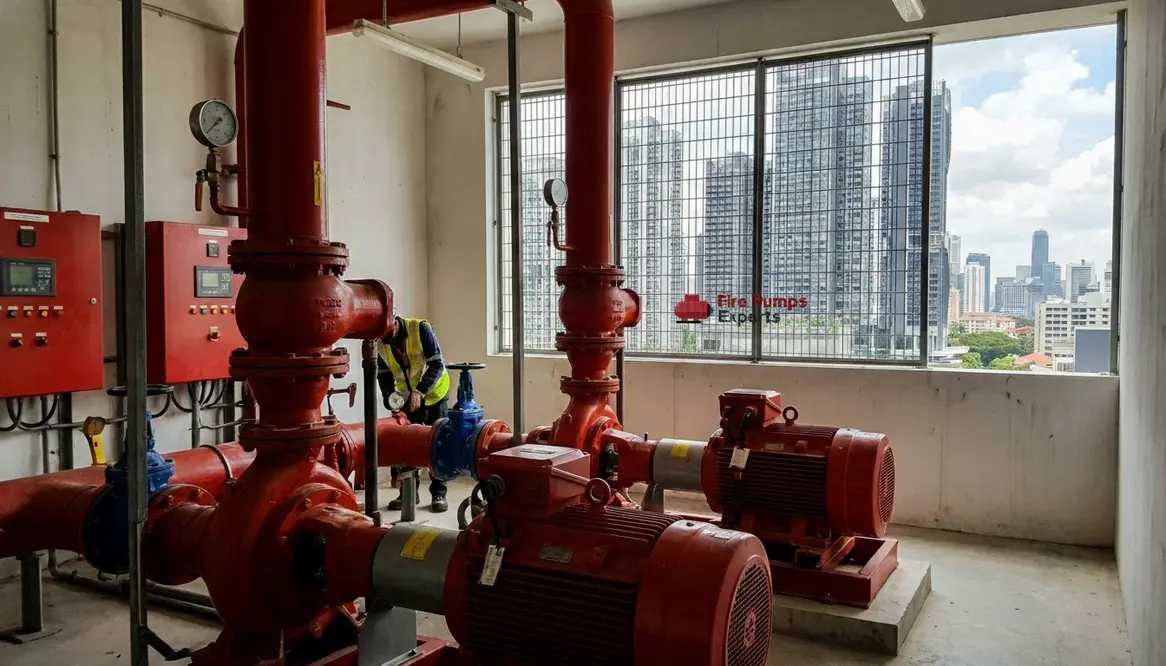
Singapore Fire Pump Requirements for High Rise Buildings
When I look at a high rise building in Singapore, I do not just see glass, steel, and ambition. I see a life safety system that has to work when the heat turns ugly. That is where fire pump standards come in. These rules guide how water reaches sprinklers, hose reels, and hydrants when pressure drops and every second starts to feel expensive. In a tall building, gravity is not your friend, and the fire pump becomes the quiet hero. It does the heavy lifting while everyone else hopes the alarm stays dramatic only in movies.
For commercial towers, industrial facilities, and major properties, I always treat fire pump planning as a core safety step, not a box ticking exercise. Singapore expects these systems to support real fire risk, not just look good on a drawing. So, let me walk through the key points in plain language, with enough detail to help you see what matters and why it matters.
What Singapore expects from a high rise fire pump system
In Singapore, a high rise building must keep adequate water pressure available across upper floors. Therefore, I check whether the fire pump can deliver the flow and pressure needed for the full protection network. The system usually supports fire sprinklers, wet risers, hose reels, and hydrants, depending on the building design. Because water does not climb tall buildings out of goodwill, the pump must push hard enough to overcome elevation loss and pipe friction.
I also pay close attention to system reliability. Fire pump standards usually call for a dependable water source, proper pump capacity, and safe operation during power loss. In many projects, that means having a duty pump, a standby pump, and a jockey pump to keep pressure stable. The setup may sound a bit like a superhero team, but honestly, it works. One handles the main fight, one waits in the wings, and one keeps the system from waking up every time a pressure switch gets moody.
How I check pump capacity, pressure, and placement
The first question I ask is simple: can the pump supply the building under fire conditions? The answer depends on the tallest demand point, the pipe layout, and the required discharge pressure. If the pump looks strong on paper but weak in the real building, it fails the test. That is why I always look at both design data and site layout together.
Next, I review pump placement. In high rise buildings, location matters because access, ventilation, drainage, and flood protection all affect performance. The pump room should stay easy to reach for maintenance, yet secure enough to prevent casual tampering. It should also allow proper working space around the equipment. A cramped pump room is like trying to stage a concert in a broom closet. Technically possible, but nobody wants that.
Core checks at a glance
Design check
- Pump flow rate must match system demand.
- Pressure must reach the topmost protected level.
- Power supply must stay reliable during an outage.
Practical check
- Site testing must confirm real performance.
- Piping and fittings must avoid wasteful losses.
- Control panels must stay accessible and clear.
Fire pump standards for power supply and backup
Power failure often turns a good plan into a very expensive lesson. That is why Singapore fire pump requirements give serious weight to backup power and automatic operation. If the building depends on electrical pumps, I make sure the system can keep running even when the main supply drops. If the design uses diesel pumps, I look at fuel storage, ventilation, cooling, and starting reliability. Either way, the pump must start fast and keep running without fuss.
I also check how the system restarts after pressure loss. A fire pump should respond quickly and predictably. It should not behave like a streaming app during peak hour. When the fire alarm signals a demand, the pump must engage, stabilize pressure, and support the whole fire protection network without delay. That response matters even more in tall buildings, where pressure loss can spread through the upper floors very fast.
Typical backup considerations
- Independent feeders or emergency generators sized for the fire pump load.
- Diesel-driven fire pumps with reliable fuel capacity and safe exhaust routing.
- Automatic transfer between primary and emergency power without manual scrambling.
- Clear indication and alarms when the system changes power source.
Inspection, testing, and maintenance I would not skip
Even the best fire pump system needs regular care. I never assume a pump will perform just because it passed once during handover. Over time, wear, corrosion, valve issues, and electrical faults can weaken the setup. So, I always treat inspection and testing as part of daily safety discipline, not a side task for when someone remembers on a rainy Friday.
Routine testing should confirm starting performance, pressure output, pump run condition, and alarm response. In addition, the team should inspect valves, gauges, controllers, batteries, fuel systems, and water supply conditions. For commercial and industrial properties, this matters even more because downtime can affect both life safety and business continuity. A failed pump is not just a maintenance issue. It is a very loud problem with legal consequences.
Simple maintenance rhythm
- Weekly or monthly no-flow start tests, depending on local requirements.
- Periodic full-flow tests to confirm that real performance still matches design.
- Scheduled checks of valves, strainers, pressure switches, and controllers.
- Annual review of documentation to show that fire pump standards are being met in practice.
How I use fire pump standards to keep compliance simple
When I work through fire pump standards, I focus on three things: correct design, correct installation, and correct upkeep. If one part slips, the whole system can lose strength. That is why I recommend reviewing the fire protection layout early, before the project reaches the stage where every change costs more than a luxury watch.
I also look for clear documentation. As built drawings, test reports, maintenance records, and equipment data should all line up. This helps building owners, consultants, and facilities teams keep the system ready for inspection and future upgrades. If you want a practical reference for commercial and industrial fire pump planning, you can review fire pump standards for major properties as a helpful starting point.
Singapore context for high rise protection
In a dense city with many tall buildings, the expectations around fire pump standards are not theoretical. Inspectors want to see that the system can handle realistic fire loads, that pumps are sized for actual demand, and that pressure at the top floors still meets design criteria when multiple systems operate together. That means reviewing both the hydraulic calculations and the way the building is really used, not just how it looked in the early concept sketches.
FAQ
Conclusion
If I had to sum it up, I would say this: a high rise fire pump system only works when design, power, testing, and upkeep all stay in step. So, if you manage a commercial tower, industrial site, or major property in Singapore, do not leave this to chance. Review your setup, verify compliance, and keep the system ready before trouble shows up uninvited. When safety matters, I always say a calm building is a smart building.