Singapore Fire Pump Compliance Checklist Guide
Singapore Fire Pump Compliance Checklist for Building Owners
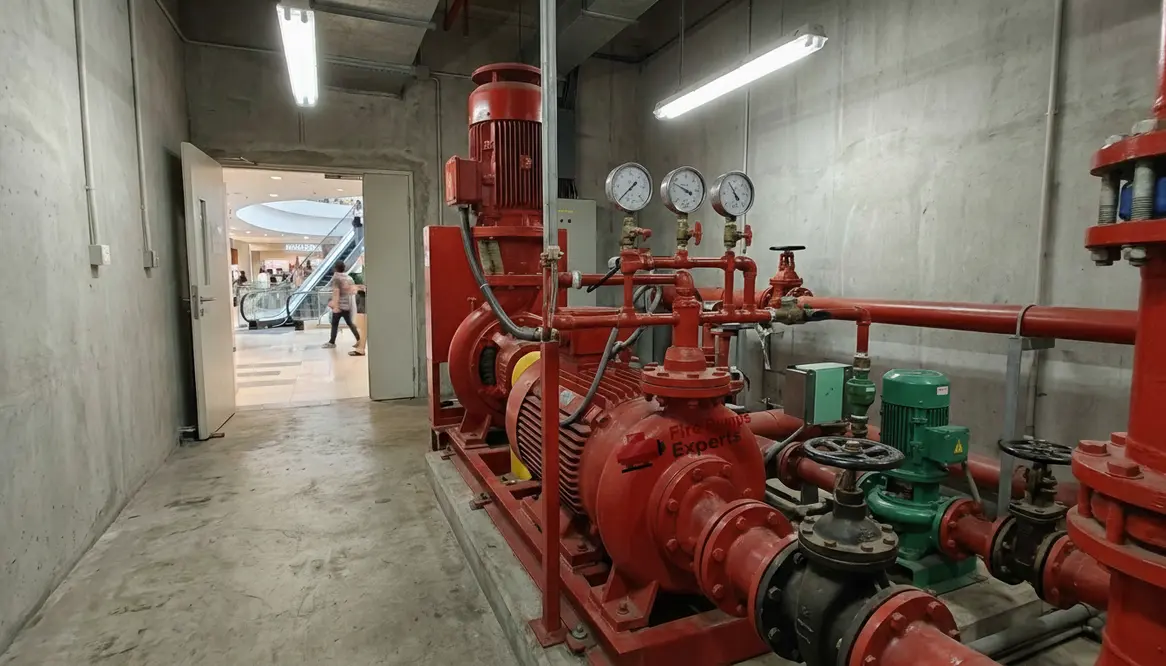
When I look at a commercial tower, industrial plant, or major property in Singapore, I do not see just walls and glass. I see a system that must work when pressure rises and time shrinks. That is where fire pump standards matter. They guide how I inspect, maintain, and prove that the fire pump can do its job when a real emergency hits. In a city where safety rules carry real weight, I keep this checklist close, because the pump is not a decorative machine. It is the muscle in the fire protection system, and frankly, the building would rather not find out what happens without it.
This guide gives me a clear way to check compliance for building owners in Singapore. I focus on commercial and industrial facilities, because those sites face higher demand, heavier systems, and more risk. So, let us walk through what I review, what I verify, and how I stay ahead of trouble before it becomes a very expensive headline.
What I check first in a compliance review
I always start with the basics. If the pump room, records, and equipment condition fail the first look, the rest of the review becomes a long day with no coffee.
Compliance Area
- Pump room access: I check that the room stays clear, locked, and easy to reach.
- Power source: I confirm the main and backup supply can support the pump system.
- Control panels: I look for warning lights, faults, and signs of wear.
- Labels and signage: I make sure each item is easy to identify during an emergency.
- Logbooks: I review inspection records, test dates, and repair history.
What I want to see
- Clean access with no storage blocking equipment
- Clear operating status with no hidden faults
- Recent service entries and test results
- Parts in good shape and free from leaks
- Proof that trained staff handle the system
Next, I check whether the facility follows the right fire pump standards for its use class. A warehouse, a data hall, and a high rise office do not face the same load, so I match the system to the site. This step matters because a pump that works on paper but fails under real demand is about as useful as a superhero with a flat battery.
How I verify fire pump standards in Singapore
After the initial review, I move into the technical checks. Here, I look for performance, not just appearance. Fire pumps need to start fast, hold pressure, and keep working under stress. I test the unit in a real way, because a weak result in a controlled test often points to a bigger issue later.
I review pump type, duty rating, suction supply, discharge pressure, and start sequence. I also check whether the installation follows local code and the required fire pump standards for commercial and industrial buildings. If the pump has a diesel backup, I confirm fuel level, battery condition, and engine health. If it runs on electricity, I check the supply path, alarm response, and changeover setup. I want no drama when the power blinks.
I also verify that the system supports the wider fire protection layout. That means I examine the connection to sprinklers, hydrants, valves, and tanks. In Singapore, the pump must fit into the full protection design, not sit alone like a side character in a movie nobody asked for.
What building owners should maintain all year
Compliance does not happen once a year during a rushed inspection. It lives in the daily habits of the building team. So, I tell owners to treat the fire pump like a critical asset, not a box to tick and forget.
I keep these actions on the schedule:
- Run weekly visual checks for leaks, noise, vibration, and unusual heat
- Test the pump on a planned basis and record every result
- Inspect valves, gauges, cables, belts, and seals
- Keep the pump room dry, tidy, and free from storage
- Replace worn parts before they fail during service
- Train staff so they know the basic response steps
Regular upkeep also helps me catch slow problems. A small leak can grow. A dirty strainer can choke flow. A weak battery can ruin start-up. Therefore, I prefer steady care over emergency repairs, because emergency repairs always arrive with stress, urgency, and a price tag that seems to have read the room.
How I prepare for audits and avoid costly gaps
Good records make compliance easier. More important, they prove that the building owner takes safety seriously. When I prepare for an audit, I make sure the paperwork tells a clean story from one check to the next.
I keep service reports, test logs, repair notes, and defect closure records in one place. I also make sure each entry shows who did the work, when it happened, and what changed afterward. If a fault came up and got fixed, I want to see the full trail. That way, the reviewer sees control, not chaos.
I also look for repeat defects. If the same issue keeps coming back, I treat it like a warning sign. In many cases, the root cause sits deeper than the surface repair. For that reason, I recommend working with a team that understands fire pump maintenance for commercial and industrial buildings and can support the site with proper checks, testing, and repair planning.
Across all of this, fire pump standards stay at the center of my review. They shape how I size the pump, check performance curves, verify the power source, and confirm that the entire protection system can hold the line during an emergency.
FAQ for Singapore fire pump compliance
Conclusion
If I want a building to stay ready, I do not wait for a fire drill to expose weak points. I follow the checklist, review the records, test the pump, and fix problems early. That is the smart path for Singapore building owners who manage commercial and industrial assets. If you want stronger protection and cleaner compliance, now is the time to act. Review your system, close the gaps, and let your fire pump earn its keep before the real test arrives.