Singapore Fire Pump Requirements for High Rise Buildings
When I look at Singapore fire pump requirements for high rise buildings, I see more than a code issue. I see a life safety system that has to work without drama, without delay, and without excuses. In tall buildings, water must reach the upper floors with enough pressure to do real work, and that is where fire pump standards come in. They shape the design, sizing, testing, and upkeep of the system so the building can respond fast when fire strikes. In other words, this is not the place to improvise. Nobody wants a fire pump acting like a sleepy intern during an emergency.
For commercial and industrial towers, the rules around fire pumps support safe evacuation, fire control, and property protection. I will break down the main requirements, explain why they matter, and show how I think about them in practical terms.
What fire pump standards mean in Singapore high rise design
In Singapore, fire pump standards guide how a building sends water to sprinklers, hose reels, and hydrants on higher floors. High rise buildings need steady pressure because gravity does not care about your deadline or your tenant mix. The system must keep enough flow and pressure even when water demand rises during a fire event.
I usually think of the pump set as the muscle behind the system. If the pipes are the veins, the pump is the heart. For high rise buildings, that heart must stay strong under stress. Therefore, the design often includes duty pumps, standby pumps, and a jockey pump to hold pressure during small drops. This setup helps the system avoid unnecessary starts while still standing ready for the real show.
How I check Singapore fire pump requirements for high rise buildings
I start with three things: building height, required discharge pressure, and water supply reliability. Then I look at the demand from the fire protection system. Since high rise towers need water to travel much farther, pump selection becomes critical. A weak system can leave upper floors under protected, and that is a risk no owner should want on the balance sheet.
Here is the practical view I use:
Design point
Required flow
Pressure at highest floor
Backup support
Power supply
What I check
Can the pump deliver the needed water volume for the system?
Will water still reach upper levels with enough force?
Is there a standby unit if the main pump fails?
Does the pump have secure electrical or diesel support?
That table may look simple, yet each point can decide whether a building passes inspection or gets sent back to the drawing board. And yes, that happens more often than people admit at brunch.
Fire pump room and system setup for commercial towers
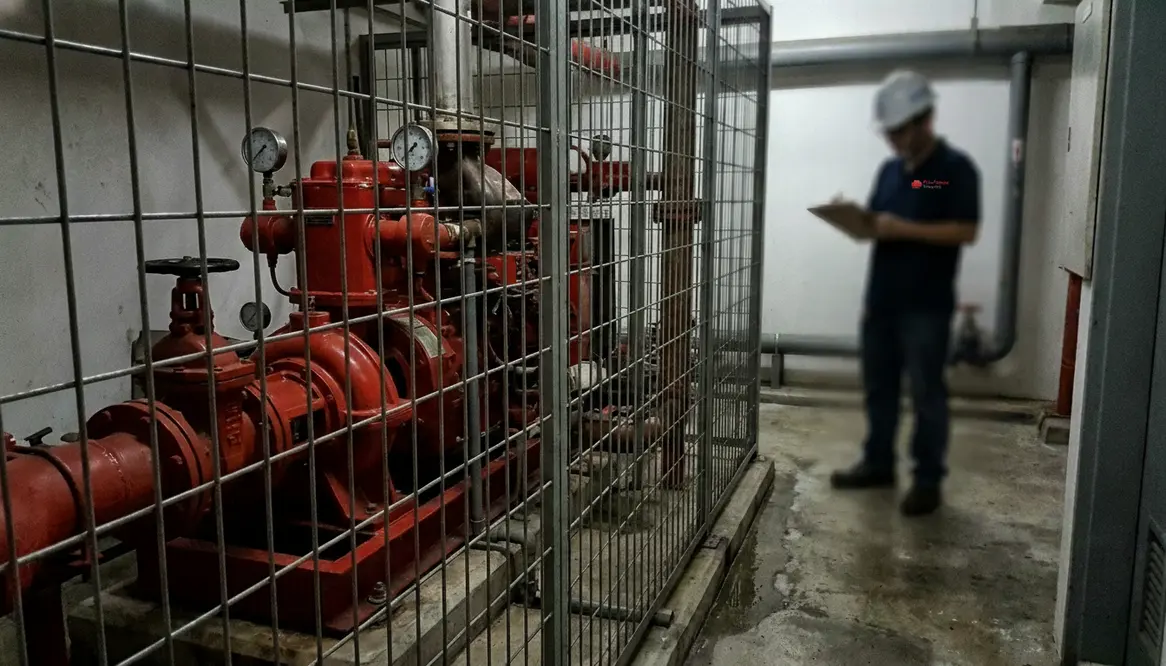
The pump room matters just as much as the pump. In a commercial or industrial high rise, I want the room to stay accessible, dry, ventilated, and protected from heat and flooding. After all, a fire pump hidden in a bad location is like putting Batman in a cupboard and hoping for the best.
The setup should include clear space for maintenance, direct access for inspections, and room for safe operation. I also look at suction and discharge arrangement, valve layout, and pressure controls. When these parts work together, the pump can respond fast and stay stable.
In addition, the system must link well with the building fire protection network. That means the pump should support the full demand from the sprinklers, hydrants, and hose reels without pressure loss that turns the top floor into a weak handshake.
Testing, maintenance, and the fire pump standards
Even the best pump becomes useless if nobody tests it. I treat inspection and maintenance as part of the system, not an afterthought. Fire pump standards expect regular checks, and for good reason. Mechanical systems age, seals wear down, and motors can get moody without warning.
The key tasks I follow include:
- Regular start tests to confirm the pump runs properly
- Flow checks to see if pressure and discharge still meet demand
- Valve and gauge inspections to catch leaks or faults early
- Power source checks for both main and backup supply
- Record keeping so every test and repair has a clear trail
Because fire safety is serious business, I do not rely on guesswork. I rely on proof. If a pump can pass a test today, that is good. If it can pass next month too, that is better. Consistency builds trust, and trust builds compliance.
Fire pump standards and compliance for property owners
For owners and facility managers, compliance is not only about passing an inspection. It also protects business continuity, tenant safety, and insurance confidence. A high rise commercial building with solid fire pump standards signals control, care, and readiness. That matters when regulators, tenants, and auditors all want answers at once.
I also advise owners to work with specialists who understand commercial and industrial buildings, not just small sites with simple needs. High rise properties need proper engineering, proper commissioning, and proper service history. If you want a helpful starting point, I recommend reviewing fire pump standards for commercial buildings as a reference point for system planning and compliance checks.
In practice, the best results come from matching the pump design to the actual building use. A mixed use tower, an office block, or an industrial complex each brings different demand patterns. So, the right approach always starts with the building, then the risk, then the pump. Keeping a clear view of Singapore fire pump requirements throughout that process helps align performance, safety, and long-term compliance.
FAQ: Singapore fire pump requirements for high rise buildings
These common questions come up when owners, engineers, and facility teams review Singapore fire pump requirements for new and existing towers.
Conclusion
If I had to sum it up, I would say this: a high rise building only stays ready when its fire pump system stays ready. I always urge owners and facility teams to treat Singapore fire pump requirements as a core safety duty, not a paper chase. If you manage a commercial or industrial high rise, now is the time to review your system, fix weak points, and keep your building compliant, safe, and ready when it counts.