Oman Fire Pump Requirements for Buildings
Oman Fire Pump Requirements Explained
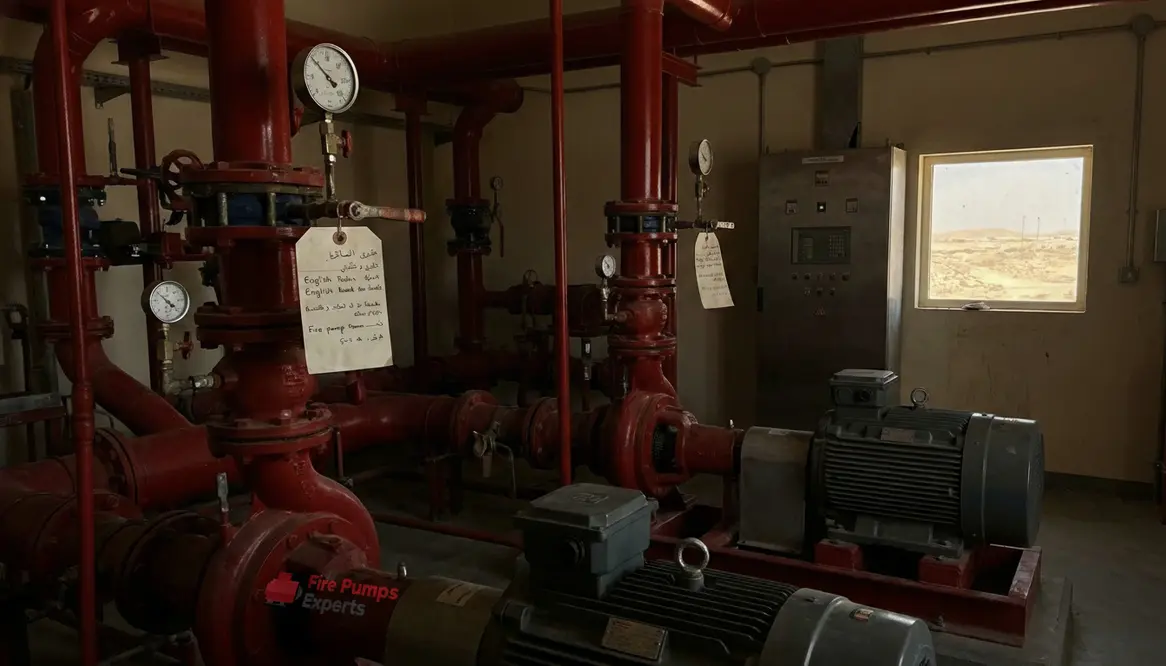
When I look at fire protection in Oman, I see one thing very clearly: the fire pump is not just another machine in the plant room. It is the muscle behind the whole system. For commercial and industrial facilities, as well as major property buildings, Oman fire pump requirements set the standard for how water gets delivered when every second matters. In this article, I will walk through the key rules, the practical details, and the checks that keep a system ready. Because in fire safety, “we’ll fix it later” is not a plan. That is just drama waiting for a bad ending.
What Oman Fire Pump Requirements Mean For Large Buildings
I always start with the purpose. The requirement exists to make sure a fire pump can supply enough pressure and flow to support sprinklers, hydrants, hose reels, and other fire systems in large sites. In Oman, this matters most for factories, warehouses, towers, malls, hospitals, and other major property buildings where a normal water line may not do the job. The system must respond fast, work under stress, and stay reliable even when the building faces a serious fire load.
In simple terms, the rules look at three big things: water source, pump performance, and system reliability. First, the water must be available in a stable way. Next, the pump must meet the required flow and pressure. Finally, the whole setup must include backup support and testing so it does not fail when someone needs it most. I like to think of it like a movie stunt team. Everyone looks calm until the action starts, and then the backup matters more than the star.
How I Check Fire Pump Sizing And Water Supply
Sizing The Pump
When I size a fire pump, I do not guess. I match the pump to the highest demand in the building’s fire protection design. That means I review the total water demand from the system, the pressure loss in the pipes, the height of the building, and the layout of the site. If the building rises high, the pump needs extra strength to push water to the top floor. If the site is spread out, I also check friction loss so the farthest outlet still gets proper pressure.
Securing Water Supply
Water supply is just as important. The pump cannot save the day if the tank runs dry or the suction line starves the system. So I check whether the source comes from a storage tank, a dedicated fire water reservoir, or a reliable supply arrangement approved for the project. I also make sure the suction side stays clean, stable, and large enough to avoid cavitation. That word sounds fancy, but the problem is simple: a pump that gulps air instead of water acts like it skipped breakfast.
Oman Fire Pump Requirements For Pump Room, Controls, And Backup
Here is the practical view I use in the field.
System Element
- Pump room
- Main pump
- Backup pump
- Controllers
- Jockey pump
- Power supply
What I Look For
- I check access, ventilation, drainage, lighting, and space for safe service work.
- I confirm it can deliver the needed flow and pressure for the full fire demand.
- I verify standby support, often with diesel or another approved arrangement.
- I look for automatic start, clear alarms, and simple manual override.
- I use it to hold pressure and stop the main pump from starting too often.
- I confirm reliable electrical supply and backup where required.
Good fire pump design also depends on the room itself. I want enough space around the equipment so maintenance can happen without a wrestling match. I also look for proper drainage because water leaks happen, and a pump room should not turn into a surprise swimming pool. In addition, the controller must allow automatic operation, because in a fire, nobody wants to run across a site with a clipboard like a hero in a side quest.
Inspection, Testing, And Maintenance I Would Never Skip
Even the best pump can drift out of shape if nobody checks it. That is why testing sits at the heart of Oman fire pump requirements. I expect regular no flow tests, flow tests, pressure checks, and visual inspections of the pump, valves, pipes, and controls. These checks tell me if the pump starts quickly, holds pressure, and performs under load. They also help me catch small issues before they become expensive ones.
Maintenance matters just as much. I inspect belts, bearings, battery systems, fuel levels for diesel units, controller settings, and signs of corrosion or leaks. I also review records, because a paper trail can reveal patterns that a quick glance may miss. If the system keeps showing low pressure or slow starts, I treat that as a warning, not background noise. Fire safety does not enjoy surprises, and frankly, neither do I.
How I Stay Aligned With Oman Fire Safety Rules And Project Needs
For commercial and industrial projects, I always align the fire pump design with the local authority approval process and the building’s fire strategy. That means I work from approved drawings, confirmed specifications, and the right standards for the site type. I also make sure the fire pump fits the full protection design, not just one part of it. A pump that looks good on paper but fails the real site conditions helps no one, except perhaps future repair bills.
If I need a deeper technical reference, I use approved fire pump guidance for commercial facilities such as https://firepumps.org as a support point during planning and review. That helps me compare the project design with practical installation and testing needs. In other words, I do not treat the pump as a lonely box in a room. I treat it as part of a living system that protects people, assets, and business continuity.
When I look at Oman requirements for large and complex properties, I keep three checkpoints in mind: the pump’s performance curve, the guaranteed water supply, and the way the system will actually be used during an emergency. If any one of those does not match the Oman requirements for that building type, the design needs attention long before approval day. Keeping records, test reports, and commissioning data aligned with Oman requirements also makes future audits smoother and far less painful.
FAQ: Oman Fire Pump Requirements For Buildings
Conclusion
If I were planning a fire protection system for a large site in Oman, I would treat the fire pump as a core business asset, not an afterthought. The right design, proper water supply, correct room setup, and steady maintenance all work together to protect the building when it matters most. If you want a solution that fits commercial and industrial needs, I recommend reviewing your fire pump plan now and confirming it against the right local requirements before the real test arrives.