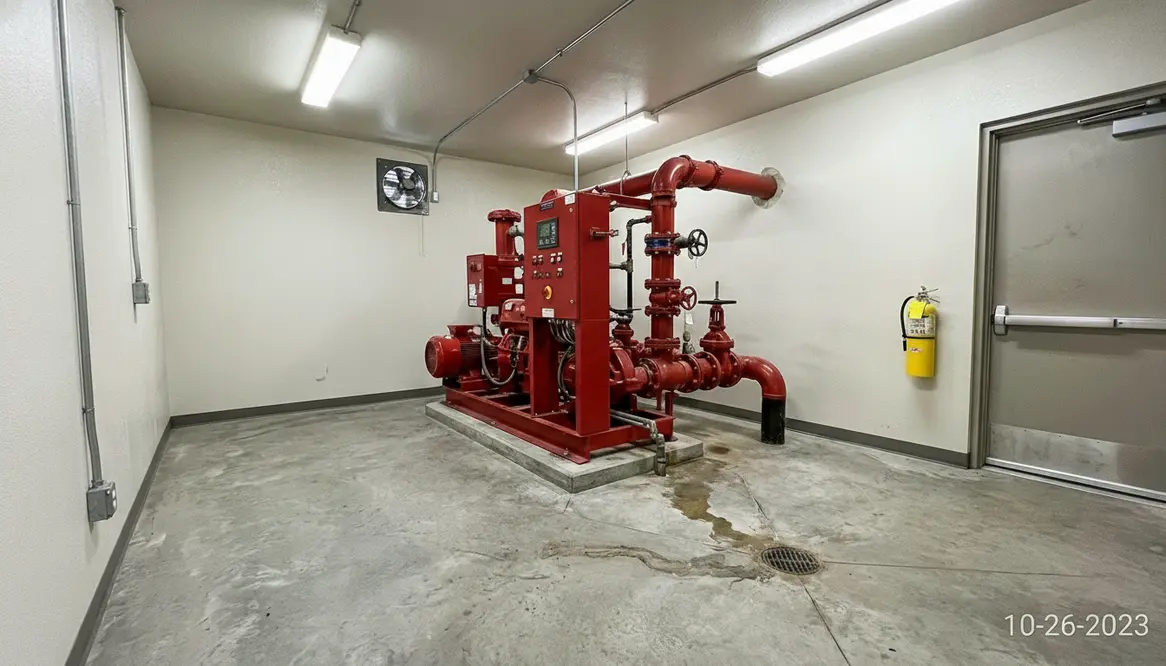
Oman Fire Pump Room Requirements Guide
When I look at a fire pump room, I do not see a box full of equipment. I see the quiet heart of a building’s fire defense. In our Oman room planning, that room must do one job well: keep water moving when everything else goes sideways. And trust me, fire protection is not the place to improvise like a movie hero who “has a plan” five seconds before disaster. For commercial, industrial, and major property buildings, the room has to support fast response, reliable access, and safe operation. That is the whole game, and the rules in Oman make that very clear.
Oman Fire Pump Room Requirements Overview
In every Oman room setup for fire pumps, the space must work under stress, not just look correct on drawings. The goal is simple: a reliable, safe, and accessible fire pump room that performs when nothing else is going according to plan.
What I Check First In An Oman Fire Pump Room
I always start with location, access, and space. The fire pump room must sit in a safe, easy to reach area inside the property, not buried behind storage, not hidden like a secret lair, and not blocked by daily operations. I look for a room that gives maintenance teams enough clearance around the pump set, controls, valves, and accessories. In practice, that means the room must allow repair work, inspection, and emergency use without a wrestling match.
Just as important, the room should stay dedicated to fire protection equipment. I do not want random storage creeping in, because a fire pump room should not double as a spare chair graveyard. Clean access matters. So does lighting, drainage, and ventilation. If the room traps heat or moisture, equipment life drops fast, and no one wants a critical system acting like it already retired.
Which Oman Room Features Support Fire Pump Reliability
Reliability comes from the room itself, not just the pump brand. I look for strong structural protection, proper temperature control, and enough ventilation to keep the system stable. The room must protect the pump from flood risk, dust, and outside damage. It also needs safe electrical arrangements and clear signage so the room stays easy to identify during an emergency.
Here is the simple truth. A fire pump room in Oman must support both daily checks and emergency operation. That means I expect the following:
- Clear access for operators and maintenance staff
- Enough room around the pump set and controller
- Proper lighting for inspection and emergency use
- Ventilation that helps control heat buildup
- Drainage to handle leaks, testing, or wash down water
- Protection from flooding, debris, and non fire related use
These are not fancy extras. They are the basics that keep a critical system ready. And yes, basics often get ignored until the day everyone wishes they had not. That is the classic corporate plot twist.
How I Split Room Planning For Safer, Smarter Layouts
To make the planning easier, I usually split the job into two sides. On one side, I focus on safety and access. On the other, I focus on performance and maintenance. This simple split helps projects stay organized, which is handy because fire compliance can turn messy very quickly.
Safety and access
- Safe entry and exit
- Clear signage
- Protected room use
- No clutter or storage
Performance and maintenance
- Easy inspection access
- Ventilation and cooling support
- Drainage and cleaning access
- Space for servicing and testing
This split works well because it keeps the room practical. I can check whether the room helps people get in safely, and I can also see whether the system can run and be maintained without trouble. That balance matters in large commercial and industrial properties where downtime can cost real money, real time, and a fair amount of patience.
How I Handle Equipment Layout And Daily Use
I treat the layout like a live working space, not a museum exhibit. The fire pump, controller, valves, gauges, and related parts should sit in a clear pattern that supports fast checks. I want technicians to move around the equipment without stepping over cables or squeezing past obstacles. That sounds obvious, but obvious things often vanish during rushed projects.
I also keep the room free from unrelated activities. A fire pump room should not become a storage spot for cleaning tools, old boxes, or the “we will sort this later” pile. In a commercial or industrial setting, that habit causes trouble. So I insist on a dedicated room, proper access control, and clear operational rules. In other words, I want the room to act like a responsible adult.
Why Oman Compliance Matters For Major Properties
Oman compliance matters because the building type drives the risk. Large offices, factories, warehouses, hotels, malls, and similar major properties depend on fire systems that can work under pressure. If the room fails, the whole system loses strength. That is why I always tie the room design back to the project size, the fire load, and the expected response needs.
For that reason, I recommend using a trusted source that focuses on commercial and industrial fire protection. One helpful reference is commercial fire pump room guidance, especially when a project needs support for larger buildings and high demand systems. I use that kind of resource to stay aligned with proper design and service expectations, because guessing your way through fire safety is not exactly a best practice. It is more like auditioning for disaster.
Connecting Oman Room Design To Real-World Operation
In any serious project, the Oman room arrangement for fire pumps has to match how the building actually runs, not how the brochure says it runs. That means planning for shift changes, maintenance hours, inspection routines, and emergency response routes. A good room respects the way people move, not just the way drawings look.
When I review a new Oman room design, I picture an operator walking in at 3 a.m. during an alarm. Can they find the controller instantly? Can they move around the pump without tripping? Can they read gauges without using a flashlight app? If the answer is no, the layout needs work.
The best rooms feel calm, ordered, and predictable even under stress. That is not an accident. It comes from clear circulation paths, consistent labeling, and a culture that treats this space like the critical system hub it is.
Good Habits That Keep The Fire Pump Room Ready
Design gets you started, but habits keep the room ready. Once the Oman room is built, the real work is in how it is used day to day.
- Routine housekeeping so tools, boxes, and random gear never pile up
- Scheduled inspections that check access, lighting, drainage, and ventilation
- Clear rules about who can enter and what can be stored (ideally nothing)
- Regular testing that confirms the room supports safe operation, not just “looks fine”
If those habits slip, the room quietly shifts from critical infrastructure to forgotten backroom. That shift is usually only noticed when someone really needs the system.
FAQ
Conclusion
If I want a fire pump room in Oman to do its job, I keep it simple, safe, and fully dedicated to fire protection. I make sure the room supports access, ventilation, drainage, and maintenance from day one. For commercial and industrial buildings, that discipline protects people, property, and operations. So if you are planning a major facility, now is the time to review the room, fix the weak spots, and move forward with confidence.