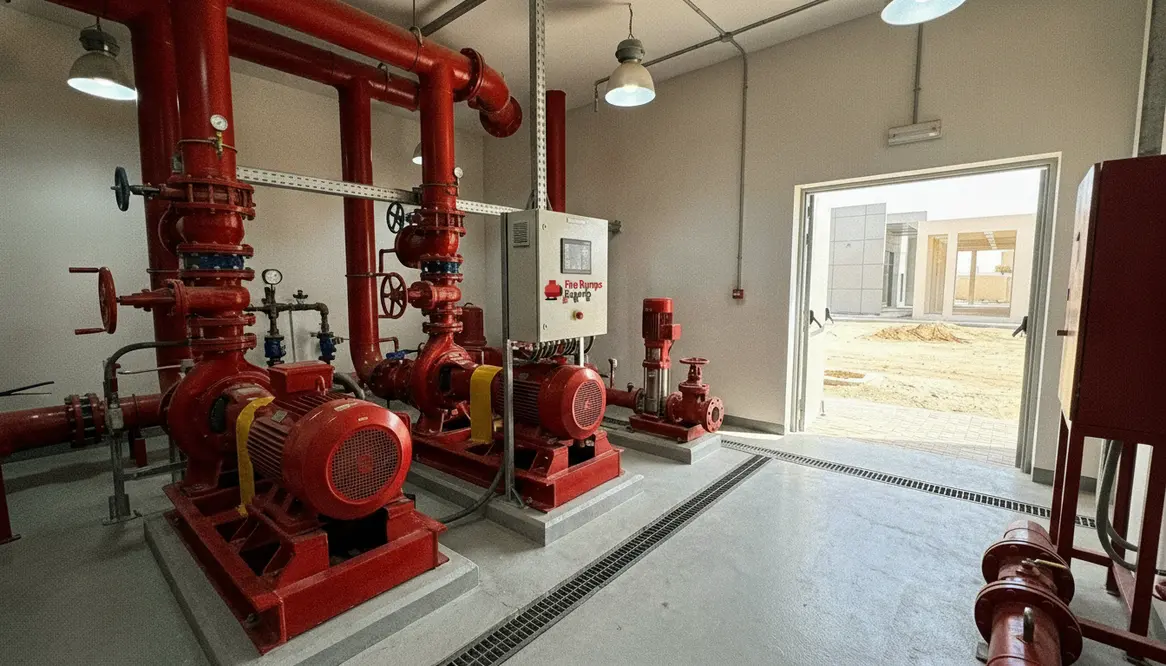
Bahrain Fire Pump Room Requirements Overview
I have seen enough fire pump rooms to know one thing for sure: when a building fire protection system needs to perform, it must work like a seasoned hero showing up on time, not like a side character who forgot the script. In a Bahrain room built for commercial and industrial use, the fire pump room sits at the heart of the whole setup. It feeds pressure to the sprinkler and hydrant system, and it helps protect major properties when every second counts. So, if I am planning, reviewing, or upgrading one, I need to understand the rules, the layout, and the practical details that keep the room ready for action.
That is where Bahrain fire pump room requirements come in. They are not just paperwork with a fancy title. They shape the room’s safety, access, power supply, ventilation, and performance. And yes, if I ignore them, the system will remind me in the least charming way possible.
Why this room deserves attention
If the fire pump room fails, sprinklers and hydrants lose the pressure they need. That turns a carefully designed system into background scenery instead of frontline protection. Treating the room as mission-critical is not optional; it is the minimum standard for any serious Bahrain room in a commercial or industrial building.
What Bahrain fire pump room requirements mean for my project
When I work on a commercial building, warehouse, plant, or other major property, I treat the fire pump room as critical infrastructure. The room must support the pump set, controller, jockey pump, suction and discharge piping, and all related fittings. In Bahrain, I must align the design with local civil defense expectations, relevant codes, and the project fire strategy. That means I do not just place the pump in any empty corner and call it a day. Even Batman had a better cave plan.
I also make sure the room stays separate from general storage and daily traffic. The fire pump room should remain dedicated, secure, and easy to reach. If a team cannot access it quickly during an emergency, then the room has already failed its purpose.
Key impacts on design and approval
- Defines where and how the fire pump set can be installed.
- Controls separation from other building uses and storage.
- Influences civil defense approval and inspection frequency.
- Shapes long-term maintenance access and testing routines.
How I design the Bahrain room layout for safety
I always start with access. The room needs a clear entry path for maintenance staff and emergency response teams. Then I check working space around each pump and controller so technicians can inspect, repair, and test equipment without doing acrobatics. No one should need a superhero landing just to change a valve.
I also focus on these core layout points:
- Dedicated access: I keep the room easy to reach from the main building route.
- Clear working space: I leave enough room for service, testing, and replacement.
- Dry, clean floor: I prevent standing water and reduce slip risk.
- Proper drainage: I direct water away from equipment and the room base.
- Strong fire separation: I use walls and doors that protect the room from nearby hazards.
Next, I look at heat control. Pumps and controllers dislike excessive heat, and Bahrain does not exactly whisper when it comes to summer temperatures. So I plan ventilation and cooling to keep equipment within the safe operating range. I also make sure the room avoids dust buildup, because dust and machinery mix about as well as oil and a red carpet.
Layout checkpoints for a Bahrain room
- Doors sized for equipment replacement and safe entry.
- Unobstructed routes to valves, gauges, and controllers.
- Floor levels that keep water away from electrical gear.
- Clear visual zoning between electrical and mechanical areas.
Why power, water, and controls matter in a fire pump room
The pump room is only as strong as the systems feeding it. First, I check the water source. The suction line must supply the pump with enough water, and the tank or network connection must support the demand of the protected building. Then I review the discharge line to confirm it can deliver the needed pressure to the fire protection system.
After that, I inspect power supply. Fire pumps usually need a reliable electrical source, and many projects also need a backup arrangement. I never assume a single point of failure is “good enough.” That logic belongs in a movie plot, not a serious building system. I also verify the controller, alarms, and monitoring signals so the team can spot trouble fast.
Dual view: what I check in the room versus what the room must deliver
- Inside the room: I confirm ventilation, lighting, labels, clearance, and safe wiring.
- At system level: I confirm pressure, flow, reliability, and response time.
- For operations: I confirm easy testing, simple maintenance, and clear alarms.
- For compliance: I confirm local approval, code alignment, and inspection readiness.
Because of that, I never treat the room as a “set and forget” space. It needs routine testing, record keeping, and proper supervision. A silent pump room is not always a happy pump room.
What I check before approval and handover
Before I hand over a fire pump room, I review the full package. I compare the installed system against the approved design, the local requirements, and the project fire report. I also confirm that signage, labels, and emergency instructions are visible and simple. In major properties, clarity matters because no one wants a scavenger hunt during a fire alarm.
I then test the system under real operating conditions. That includes starting the pump, checking pressure, confirming controller response, and making sure alarms send the right signals. If the building uses a backup power source, I check that too. Finally, I verify that maintenance staff know where the room is, how to enter it, and what to inspect first.
Support and references for Bahrain projects
If I need expert support, I look for a trusted reference such as commercial fire pump room guidance for Bahrain projects to support compliance and technical planning for industrial and major property buildings. Matching that guidance with the specific Bahrain room layout and building strategy keeps the whole system easier to operate and maintain.
FAQ
Final thoughts and next step
I treat Bahrain fire pump room requirements as a practical safety map, not a formality. When I plan the room well, the building gains stronger protection, easier maintenance, and better compliance. If you manage a commercial, industrial, or major property project, now is the time to review your fire pump room design, fix gaps, and prepare for approval. I would take that step today, because the best emergency system is the one ready before the emergency starts.