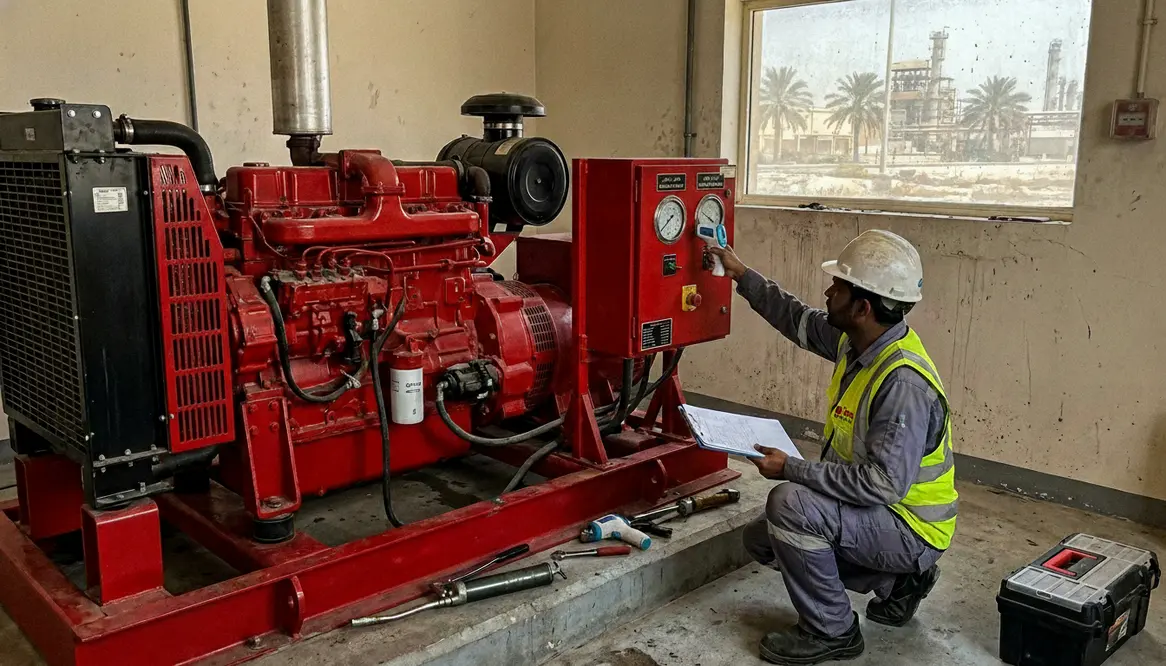
Bahrain Fire Pump Testing and Maintenance Guide
When I talk about Bahrain testing for fire pumps, I am talking about the kind of work that keeps commercial towers, factories, warehouses, and major properties ready when heat, smoke, and panic decide to show up uninvited. It is not glamorous. It is not thrilling. Yet it is the quiet hero in the back room, doing the hard work while everyone else enjoys the air conditioning and pretends disaster is a “future problem.” I have learned that proper fire pump care is not just a box to tick. It is a life safety habit, and in a place like Bahrain, where major buildings run under heavy demand, that habit matters.
In this guide, I will walk through how I approach fire pump testing and maintenance for commercial and industrial facilities. I will keep it practical, direct, and useful. After all, nobody wants a fire pump to act like a sleepy extra from a bad movie when the real show starts.
Why fire pump testing matters in Bahrain
I always start with the basics. Fire pumps support sprinkler and standpipe systems when water pressure drops below what the building needs. That means a weak pump can turn a strong system into expensive wall decor. For commercial properties, shopping complexes, industrial plants, and high rise buildings, reliable performance is not optional.
In Bahrain, I treat testing as part of risk control. Heat, dust, heavy use, and long operating hours can all strain equipment. So, regular checks help me catch issues before they become failures. Just as important, they help confirm that the pump can meet the flow and pressure needed during an emergency. In simple terms, I do not want to find out a pump has a problem while people are already heading for the stairs.
What I check during a fire pump test
When I perform a fire pump test, I look at the full system, not just the pump motor or diesel engine. A proper test tells me how the system behaves under real conditions. I usually review:
- Suction and discharge pressure
- Pump start and stop response
- Jockey pump function
- Relief valve and controller status
- Engine or motor performance
- Vibration, noise, and leaks
- Fuel, coolant, and battery levels for diesel units
Then I compare readings with expected values and past results. That helps me spot drift before it becomes damage. If the pump sounds rough, runs hot, or takes too long to reach pressure, I do not ignore it. Equipment usually gives warnings long before it gives up. It is polite like that, in its own mechanical way.
Bahrain testing schedule for commercial and industrial facilities
Now, let me get practical. A good testing schedule keeps the system honest. For major properties, I recommend a routine that includes weekly, monthly, and annual checks. Weekly checks help me confirm readiness. Monthly inspections let me see trends. Annual testing gives me the full picture under load.
Here is a simple way I organize it:
- Weekly: Visual check, pressure levels, controller status, fuel level, and basic alarms
- Monthly: Start the pump, review operation, inspect fittings, and confirm no signs of wear
- Annual: Full performance test, record flow and pressure, inspect internal parts, and verify compliance
Quick planning snapshot
Testing task
Weekly check
Monthly run
Annual test
What I look for
System readiness and alarm health
Stable start and steady operation
Real performance under load
This schedule keeps me ahead of trouble. Moreover, it supports maintenance planning, which means fewer surprises and fewer emergency repairs. And in facility management, surprises are rarely charming. They are usually expensive.
How I handle maintenance before problems grow
Testing tells me what is happening. Maintenance fixes what is starting to fail. I see both as part of the same job. For me, maintenance begins with cleaning, tightening, lubricating, and replacing worn parts before they shut the whole system down. I also check alignment, controller settings, and pump room conditions.
Dry air, dust, heat, and poor ventilation can all affect fire pump health. So, I keep the pump room clean and easy to access. I also watch for rust, loose wiring, cracked hoses, and small leaks. These may look minor at first, but minor issues have a bad habit of growing teeth.
When I service diesel fire pumps, I pay extra attention to batteries, belts, filters, and fuel quality. For electric fire pumps, I check power supply stability and controller response. In both cases, I document everything. Records matter because they show patterns, help with audits, and support future decisions.
What good records should include
I never rely on memory alone. The brain is a talented thing, but it is not a maintenance log. A useful record should include:
- Date and time of inspection or test
- Facility name and pump identification
- Pressure and flow readings
- Any faults or unusual signs
- Work completed and parts replaced
- Technician notes and next service date
These records help me track changes over time. They also make it easier to prove that the system stayed in service and met expectations. That matters for owners, managers, insurers, and safety teams. And yes, it also saves everyone from the awkward phrase, “I think we checked that last year.”
Common mistakes I avoid during Bahrain fire pump testing
I have seen a few common mistakes repeat themselves, and they almost always lead to trouble. First, some teams test only the pump and ignore the rest of the system. That is like checking a car engine but forgetting the tires. Second, some facilities skip scheduled testing because the pump “looks fine.” Looks are not a life safety strategy.
Also, I avoid poor documentation, late repairs, and testing without trained staff. A test only helps when someone understands what the results mean. Therefore, I make sure the process stays consistent, calm, and clear. The goal is not to create more noise in the plant room. The goal is to keep the building ready.
FAQ
Conclusion
If you manage a commercial tower, industrial site, or major property in Bahrain, I encourage you to treat fire pump care as a serious part of daily risk control. Bahrain testing keeps your system honest, your team prepared, and your building safer. Do not wait for a fault to announce itself at the worst possible moment. Review your schedule, inspect your logs, and act early. If you need a reliable fire pump partner, now is the time to take the next step.