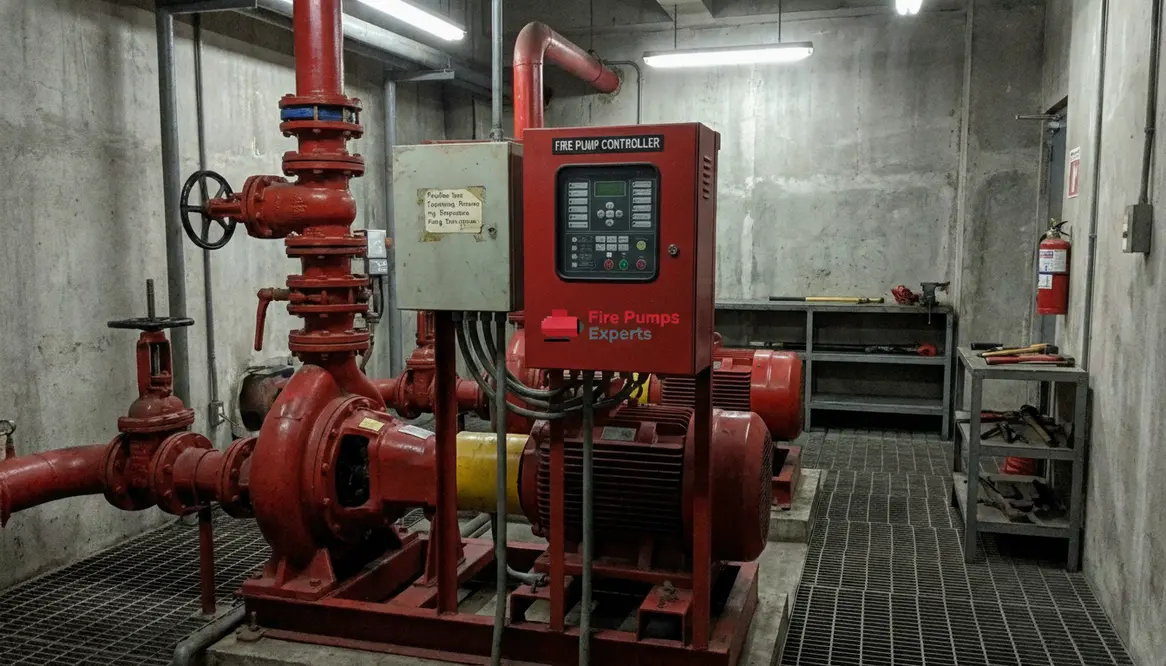
Philippines Fire Pump Room Requirements Guide
Philippines Fire Pump Room Requirements Overview
When I talk about a Philippines room for fire pump equipment, I am talking about one of the quiet heroes of a commercial or industrial building. It does not get applause. It does not trend on social media. Yet when trouble shows up, this room steps into the spotlight fast. A proper fire pump room keeps water moving for sprinklers and standpipe systems, and that can make all the difference in a large property. So, if you manage a factory, office tower, warehouse, mall, hospital, or another major property, you need to know the basics. I will walk you through the main requirements in a clear way, without turning this into a fire code soap opera.
What a fire pump room must do
A fire pump room houses the equipment that boosts water pressure for fire protection systems. In large buildings, normal water pressure may not be enough. Therefore, the pump steps in and delivers strong, steady flow when the system activates. I always treat this room as a critical support space, not a storage closet with a heroic side hustle.
The room must stay dedicated to fire pump use. In other words, I cannot mix it with random storage, maintenance junk, or office chairs waiting for their second act. The space should allow safe access, proper ventilation, and easy inspection. Also, the layout should help firefighters and maintenance teams reach every major part of the system without squeezing past obstacles like a scene from a crowded train platform.
Philippines fire pump room requirements for layout and access
For a fire pump room in the Philippines, I focus first on access. The room should sit in a protected location, with direct and easy entry for authorized personnel and emergency responders. Moreover, the path to the room should stay clear at all times. No locked maze. No mystery corridor. No “just move the boxes later” excuse.
The room should also support safe work around the pump, motor, controller, and related valves. I need enough space for service and inspection, because a cramped room turns routine checks into a bad sequel nobody asked for. In many projects, I also look for these practical points:
- Clear working space around the pump set
- Easy access to the controller and valves
- Room for repair tools and maintenance movement
- Direct route for emergency personnel
In addition, the room should protect the equipment from flood risk, physical damage, and unauthorized use. That matters a lot in commercial and industrial properties where traffic, vibration, and daily operations can create problems fast.
How to meet fire room code expectations in commercial buildings
Fire resistance and protection
Now let us get practical. A proper fire pump room needs the right structure and environmental conditions. First, I look at fire resistance. The room should have fire-rated walls, floor, and ceiling construction as required by the building design and applicable codes. This helps protect the pump during a fire event and gives the system time to do its job.
Ventilation and heat control
Next, I check ventilation. Fire pumps and their motors generate heat, so the room must avoid overheating. Good airflow helps protect equipment life and performance. Without it, the room can turn into a pressure cooker, and not the helpful kind you use for dinner.
Drainage, lighting, and visibility
Then I review drainage. Water can enter the room from leaks, testing, or sprinkler discharge. So, the floor should manage water properly and avoid pooling around electrical parts. I also make sure the room has suitable lighting for safe inspections and quick repairs. If someone needs to troubleshoot at 2 a.m., I want them seeing the equipment clearly, not guessing like they are in a horror film.
What equipment and safety details I check
When I inspect a fire pump room, I check more than the pump itself. The whole support system matters. A commercial fire pump room must include the main pump, driver, controller, suction and discharge piping, valves, and pressure instruments. Often, the room also holds the jockey pump if the design requires it. Each part must stay labeled, accessible, and properly supported.
I also pay close attention to electrical safety. The controller should stay protected from water and physical harm. Wiring must follow the approved design, and the equipment should remain easy to isolate during service. In addition, I like to see clear signs posted in the room, especially signs that identify the pump room purpose and keep unauthorized persons out.
Dual columns for fast comparison
Common problem
Blocked access, poor ventilation, weak drainage, or mixed use with storage
Why it matters
It can delay maintenance, damage equipment, and weaken fire protection during an emergency
Inspection and compliance for major property buildings
Compliance does not end when the pump room is built. It continues through testing, inspection, and maintenance. I always recommend regular checks so the system stays ready. For large commercial and industrial facilities, that means planned inspections of pump operation, controller function, water supply, and room condition. A fire pump room that looks fine on the outside can still hide a problem inside. That is why testing matters.
In the Philippines, building owners should also coordinate with fire protection professionals who understand local requirements for major properties. If the room design misses a detail, the cost shows up later in delays, repairs, or failed compliance. Nobody enjoys that surprise. It lands with all the charm of a fax machine in 2026. For more detailed technical context on fire pumps and system design, resources such as https://firepumps.org can be a helpful reference alongside local regulations.
When that review includes a critical look at each Philippines room used for pump equipment, owners catch small issues before they become expensive shutdowns or failed inspections.
FAQ
Conclusion
If I want a commercial or industrial building to stay ready, I treat the fire pump room like a core safety asset, not an afterthought. So, I recommend reviewing your current setup, checking the layout, and confirming that your room supports code compliance and reliable operation. If you manage a major property in the Philippines, now is the right time to assess your fire pump room with expert help and keep your building prepared before trouble ever comes calling. When each Philippines room devoted to pump equipment is built and maintained with care, the building gains a quiet but powerful layer of protection.