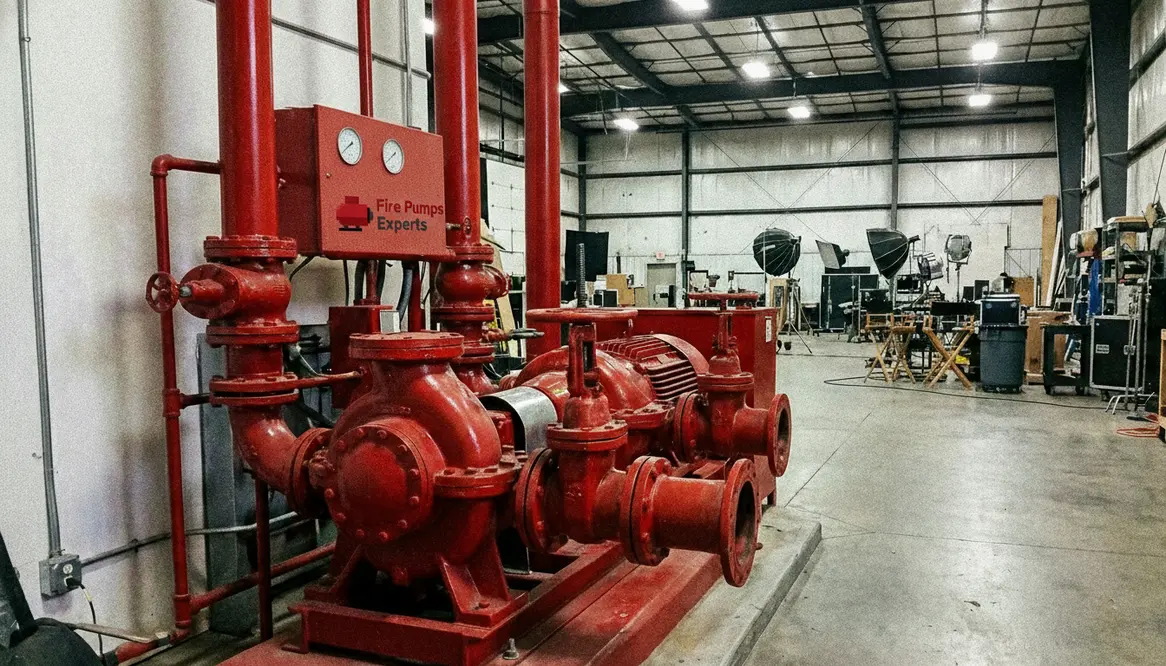
Sound Stage Fire Pump Hollywood Design Guide
I have spent enough time around production lots to know one truth. Behind every flawless scene is an army of systems working quietly in the background. And when it comes to safety, nothing plays a more critical role than a properly designed sound stage fire pump Hollywood setup. These systems are not glamorous. They will not win awards. But when something goes wrong, they become the star of the show in a hurry. So let me walk you through how I approach fire pump system design for sound stages, where high stakes meet high voltage and sometimes, very expensive fake rain.
What makes fire protection unique for sound stages in Hollywood?
Sound stages are not your average commercial buildings. They are vast, open environments filled with lighting rigs, electrical systems, props, and occasionally materials that burn faster than a plot twist in a summer blockbuster. Because of this, I treat each design like a custom script rather than a recycled sequel.
First, ceiling heights are often extreme. Therefore, water delivery must maintain pressure over longer vertical distances. Next, production layouts change frequently. So, flexibility becomes essential. Additionally, fire loads vary from one project to another. One day it is a quiet drama. The next, it is a full scale action scene with pyrotechnics.
Because of these factors, I prioritize consistency and adaptability. A fire pump system must respond instantly, no matter what scene is being filmed. After all, fire does not care about your shooting schedule.
Core components of a sound stage fire pump Hollywood system
When I design these systems, I focus on a few essential components that work together like a well rehearsed cast.
Reliable water supply
I ensure a steady source, often combining municipal supply with on site storage. This way, there are no surprises during peak demand, especially when a sound stage fire pump Hollywood system is feeding multiple high-demand effects.
Fire pump selection
Electric or diesel driven pumps must match the hazard level. In Hollywood, redundancy is not optional. It is expected. The sound stage fire pump Hollywood teams rely on has to deliver performance even if one power source fails.
Pressure control
Maintaining proper pressure across large spaces is critical. I design systems that avoid both weak flow and excessive force. A sound stage fire pump Hollywood installation should feel almost invisible to the crew while quietly holding the entire system in balance.
Control systems
Modern controllers provide monitoring and quick response. They act like a director calling cues behind the scenes, making sure the fire protection system hits its mark every single time.
Together, these elements create a system that reacts fast and performs under pressure. Literally.
Design strategies I rely on for large scale production facilities
Designing for sound stages means thinking several steps ahead. So, I always begin with hazard classification. This determines the required flow and pressure. However, I do not stop there.
Next, I account for future changes. Productions evolve. Sets expand. Equipment shifts. Therefore, I build in capacity that allows the system to grow without a complete overhaul.
Then, I consider zoning. Large stages benefit from segmented protection areas. This approach improves efficiency and reduces unnecessary water discharge. Because flooding a set might stop a fire, but it will definitely ruin the director’s day.
Finally, I integrate with other systems. Fire alarms, sprinklers, and emergency controls must work together. When they do, response times improve and risks drop significantly.
How do I ensure compliance and performance without overdesign?
This is where experience steps in. Codes and standards guide every decision, but blindly oversizing a system is not the answer. Instead, I balance compliance with practical performance.
I start with NFPA standards and local regulations specific to California and Los Angeles. Then, I evaluate the actual operational needs of the facility. By doing this, I avoid unnecessary costs while still delivering full protection.
Additionally, I run performance calculations that simulate real world conditions. This ensures the system will perform as expected when activated. Because in this line of work, guessing is not part of the job description.
And yes, I have seen systems that were designed like they were protecting a spaceship. Impressive, sure. Necessary, not always.
Maintenance planning for long term reliability
A fire pump system is only as good as its maintenance plan. So, I design with serviceability in mind from day one. Easy access, clear layouts, and logical component placement all matter.
Routine testing is critical. Weekly churn tests and regular inspections keep the system ready. Moreover, I recommend automated monitoring where possible. It adds an extra layer of assurance.
Equally important, staff training cannot be overlooked. The people managing these facilities should understand how the system works. Not every detail, but enough to recognize issues before they escalate.
Because when something goes wrong, you do not want confusion. You want calm, controlled action. Preferably without anyone yelling, cut.
Why specialized expertise matters in Hollywood production environments
Not all fire protection engineers are familiar with the demands of sound stages. And that gap can lead to designs that fall short. I have seen systems that ignored production realities, and the results were less than cinematic.
Working in Hollywood requires understanding both safety and storytelling environments. You need to know how productions operate. You need to anticipate unusual risks. And you need to deliver solutions that do not interfere with creative work.
That balance is what separates a functional system from a truly effective one. It is not just about meeting codes. It is about supporting an industry where time is money and safety is everything. If you are looking for deeper technical references, resources such as https://firepumps.org can help reinforce good design practices alongside on-site experience.
FAQ
Below are some common questions people ask when planning or upgrading a sound stage fire pump Hollywood installation for active production environments.
Final take and next step
If you are managing or developing a production facility, do not leave fire protection as an afterthought. A well designed system protects people, property, and production schedules without compromise. I design solutions that match the pace and complexity of Hollywood environments while staying grounded in proven engineering. Reach out today and let us build a system that performs exactly when it matters most. Quietly, reliably, and without stealing the spotlight.