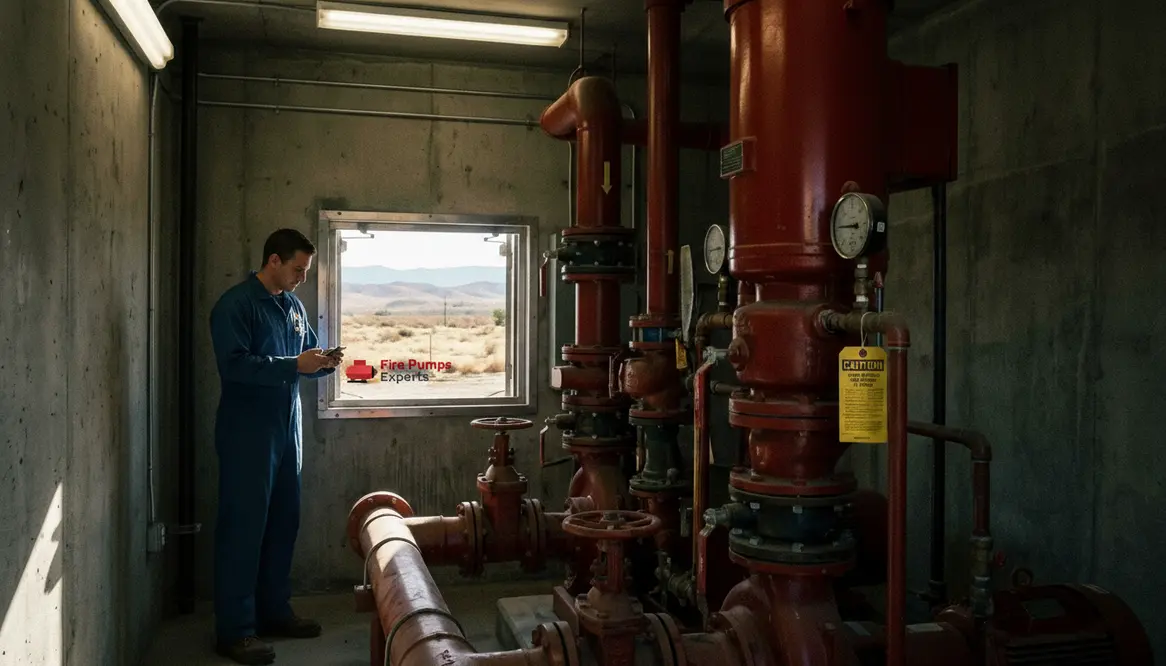
Fire Pump Critical Infrastructure California Reliability
I have spent enough time around high stakes facilities to know one simple truth. When things go wrong, they go wrong fast. That is exactly why fire pump critical infrastructure California is not just a technical topic. It is a lifeline. In a state where earthquakes shake confidence and wildfires rewrite skylines, reliable fire pump systems stand quietly in the background, ready to perform without applause. And frankly, they do not get nearly enough credit. Like the bass player in a jazz band, you only notice them when they stop. And trust me, you do not want that moment.
Why Reliability Is Non Negotiable in Fire Pump Critical Infrastructure California
I have seen facilities that treat fire pumps like a checkbox. Install it, forget it, hope for the best. That approach works right up until it does not. In California, where commercial and industrial properties face layered risks, reliability becomes a business decision, not just a safety requirement.
Because of seismic activity, power instability, and strict compliance standards, systems must perform under stress. Therefore, reliability means more than just turning on. It means delivering consistent pressure, adapting to demand, and surviving real world conditions.
Moreover, downtime is not just inconvenient. It can halt operations, damage assets, and expose organizations to serious liability. Consequently, investing in system reliability protects both people and profit. And yes, it also helps you sleep better at night, which is underrated.
How Do Fire Pump Systems Actually Fail in Large Facilities
I like to think of failure not as a sudden event but as a slow build up of small issues. One loose connection here, a skipped inspection there, and suddenly your system decides it is on vacation during an emergency.
Common failure points include:
- Power supply interruptions that leave pumps inactive
- Controller malfunctions that prevent proper startup
- Corrosion and wear that weaken performance over time
- Improper testing that gives a false sense of security
However, the real problem is often human. When maintenance schedules slip or systems are not properly evaluated, risk quietly grows. As a result, even high quality equipment can underperform when it matters most.
Designing Systems That Withstand California Conditions
Design is where reliability begins. You cannot patch your way into a resilient system later. In California, I always consider environmental stressors first. Earthquakes, for instance, demand flexible connections and secure anchoring. Meanwhile, wildfire zones require systems that can handle long duration operation.
In addition, redundancy plays a critical role. Backup power sources and secondary pumps ensure that one failure does not cascade into total system loss. Think of it as having a stunt double. You hope you never need it, but when you do, you are very glad it is there.
Equally important, proper sizing ensures that pumps meet demand without strain. Oversized systems waste energy, while undersized ones struggle under pressure. Balance matters, just like in a good recipe.
Fire Pump Critical Infrastructure California Maintenance That Actually Works
I will be honest. Maintenance is not glamorous. It does not trend on social media. No one posts a viral video of a perfectly calibrated pump controller. Yet, it is the backbone of reliability.
Effective maintenance focuses on consistency and precision. Regular testing under real conditions reveals weaknesses before they become failures. Furthermore, data tracking allows operators to spot patterns and address issues early.
Here is what I prioritize:
- Routine flow testing to verify performance
- Controller diagnostics to catch electrical issues
- Fuel and power checks for uninterrupted operation
- Component inspections to detect wear
What Smart Facilities Do
- Schedule proactive maintenance
- Invest in monitoring technology
- Train staff regularly
- Plan for redundancy
What Gets Facilities in Trouble
- Ignoring minor issues
- Delaying inspections
- Relying on outdated systems
- Cutting corners on compliance
Technology Is Changing the Game and I Am Here for It
I remember when system monitoring meant walking into a pump room with a flashlight and a notepad. Now, technology offers real time insights that would make even Tony Stark nod in approval.
Modern systems use sensors and automation to track performance continuously. As a result, facility managers can detect pressure drops, temperature changes, and mechanical issues instantly. Moreover, remote monitoring allows teams to respond faster, even across multiple sites.
Predictive maintenance is another game changer. By analyzing data trends, systems can forecast failures before they happen. It is like having a weather forecast for your equipment, except more accurate and with fewer dramatic news anchors.
Choosing the Right Partner for Critical Infrastructure Protection
No system exists in isolation. The people behind it matter just as much as the equipment itself. Therefore, selecting the right service partner becomes a strategic decision.
I always look for providers who understand the unique demands of commercial and industrial facilities. They should offer tailored solutions, not one size fits all packages. In addition, they must stay current with California regulations and evolving standards.
Transparency also matters. Clear reporting, honest assessments, and proactive recommendations build trust. And in this field, trust is everything. After all, you are not just maintaining equipment. You are protecting lives and investments.
Why Fire Pump Critical Infrastructure California Deserves More Attention
Across commercial campuses, hospitals, data centers, and high rise complexes, fire pump critical infrastructure California quietly underpins business continuity. It is the silent partner in every evacuation plan, insurance policy, and safety audit. When owners see it as an asset instead of a line item expense, reliability improves, risk drops, and everyone inside the building benefits.
From early design through commissioning and lifecycle maintenance, the most resilient facilities treat fire pump critical infrastructure California as a strategic platform: engineered for local hazards, backed by data, and maintained with the same care they give to power systems or core IT infrastructure. That mindset shift is what separates prepared organizations from those hoping they never have to find out what happens when the pump does not start.
FAQ
Final Thoughts and Your Next Move
Reliable fire protection does not happen by accident. It is built through smart design, consistent care, and the right expertise. If you manage a commercial or industrial facility, now is the time to evaluate your system and strengthen its performance. Connect with professionals who understand the stakes and can keep your operation protected, compliant, and ready for anything California throws your way. For additional insights and resources on critical fire pump strategy, visit https://firepumps.org and align your next upgrade with the realities of your site, your risks, and your long term operational goals.