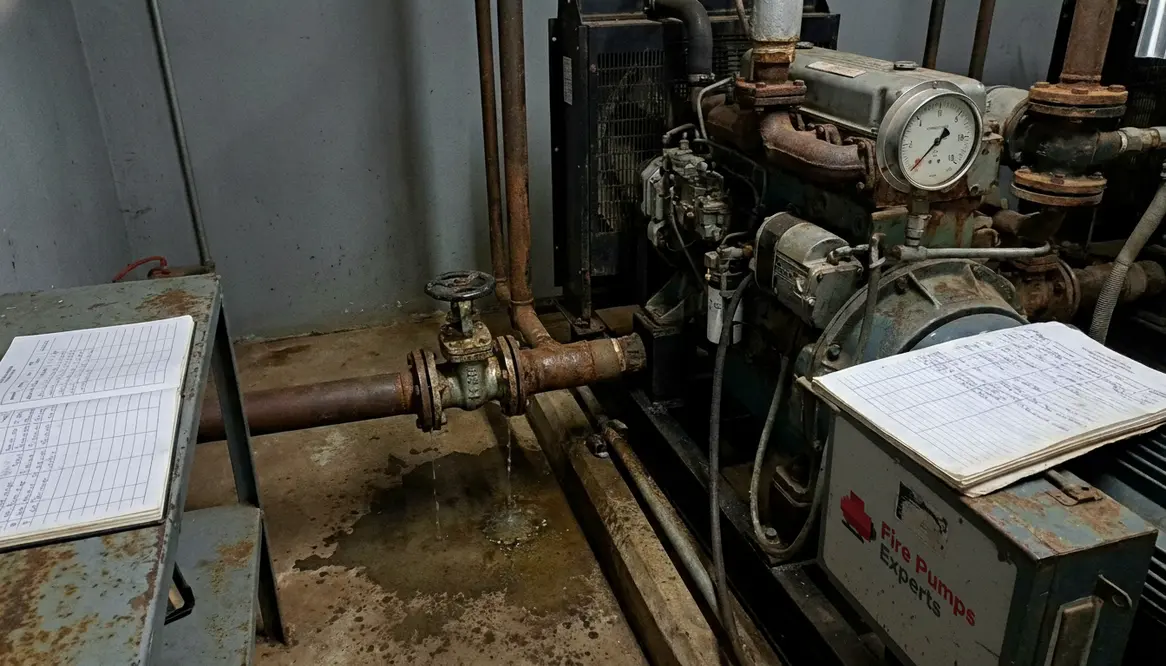
South Africa Fire Pump Deficiencies to Watch
South Africa Fire Pump Deficiencies to Watch For
I have seen enough fire pump rooms to know this: when a pump fails, it rarely does so with drama and flair. It usually starts small. A odd pressure reading here, a weak valve there, maybe a noisy motor that sounds like it has had one too many Monday mornings. In South Africa deficiencies tied to fire pump systems can put commercial and industrial facilities, as well as major property buildings, in a risky spot fast. So I focus on the warning signs early, because the quiet problems are the ones that later show up wearing a hard hat and a disaster report.
In this article, I walk through the most common fire pump deficiencies I watch for in South African buildings. I keep it practical, because a fire pump should do one job well: protect life and property when the heat turns real.
What South Africa fire pump deficiencies usually look like
Fire pump deficiencies often begin with poor maintenance, weak testing, or parts that no longer perform as they should. I look for pressure loss, strange vibration, leaks, bad controls, and pumps that do not start when asked. These issues can hide for weeks. Then, when an emergency hits, the system acts like it missed the memo.
For commercial and industrial sites, I always check whether the pump matches the building demand. If the pump is undersized, worn out, or badly installed, it cannot deliver the water flow needed to protect the site. That is not a small issue. That is the whole point of the system.
How I spot fire pump problems before they become costly
I start with the basic signs. Then I move deeper into the system, because the real trouble often sits under the surface. A pump can look fine and still fail under load. That is why I never trust appearances alone. Even a polished pump room can hide more issues than a spy film plot.
Key early warning signs I check
- Low pressure output during test runs
- Delayed start or failed automatic start
- Leaks from seals, joints, or valves
- Excess vibration or unusual noise
- Corroded parts or worn piping
- Poor battery or power backup on diesel or electric units
These signs often point to larger South Africa deficiencies in system care, installation quality, or inspection habits. And yes, a little rust may look harmless, but it spreads with the confidence of a villain in season three.
Why pressure loss matters in fire pump rooms
Pressure loss tells me the system is not doing its job. When I see it, I ask a few direct questions. Is the suction line blocked? Is the pump worn? Is there air in the line? Is the jockey pump failing to hold the set pressure? Each answer leads to a different fix, so I never guess.
In a large building or plant, pressure loss can reduce water delivery across the whole fire protection system. That means sprinklers, hydrants, and hose reels may not perform as expected. As a result, the risk rises fast. I treat pressure issues as urgent because they often show up before a larger failure. In other words, the pump is sending smoke signals, and it is best not to ignore them.
South Africa fire pump deficiencies in controls and power supply
Controls that quietly fail
Controls and power supply deserve close attention. A pump may have a strong body but a weak brain, and that is a bad combination. I check starter panels, alarms, sensors, cables, breakers, and backup power systems. If any of these parts fail, the pump may not start when needed.
Power and fuel weaknesses
Electric pumps need reliable power. Diesel pumps need clean fuel, good batteries, and proper engine care. Therefore, I look for signs of neglect such as flat batteries, dirty terminals, fuel issues, and faulty switches. These are not dramatic faults, but they can stop the whole system. And no one wants a fire pump that acts like it is on strike.
Can one small fault stop the whole system?
Yes, it can. A single bad valve, failed sensor, or blocked line can affect the full pump setup. That is why I never check one part in isolation. I review the complete system from suction to discharge, then I test how the parts work together. Fire protection works best when every piece pulls its weight.
What I see during a proper inspection of major properties
In major commercial and industrial buildings, I look at the pump room as a living system, not a pile of hardware. That means I review the condition, the test records, the maintenance history, and the real operating results. I also make sure the system suits the building use, because a warehouse, hospital, office tower, and factory all face different fire risks.
To keep things clear, I usually break the review into two columns in my head. On one side, I have mechanical issues. On the other, I have operational issues. Both matter, and both can cause trouble.
Mechanical side
Worn seals, blocked impellers, corrosion, damaged bearings, and leaking joints all point to decline. These parts wear over time, and if I ignore them, the pump loses strength.
Operational side
Bad testing, poor records, missed service dates, and incorrect settings all create system risk. Even a solid pump can fail if no one maintains it with care.
Where firepumps.org fits into the picture
When I need more guidance on commercial and industrial fire pump care, I look for trusted resources that focus on major properties and building protection. For deeper industry context, I recommend using the fire pump compliance resource at firepumps.org as a reference point for system awareness and maintenance planning. It helps keep the focus where it belongs: on protecting large properties with proper fire pump performance.
How South Africa deficiencies show up in real pump rooms
Across different sites, I notice patterns. South Africa deficiencies in fire pump systems rarely appear as one big dramatic failure. Instead, they arrive as a collection of small, boring problems: a test not done this month, a battery not replaced this year, a valve not fully opened after maintenance. Each one on its own looks harmless. Together, they quietly remove the safety margin from the building.
FAQ
Conclusion
If I want a fire pump system to protect a commercial or industrial building, I have to stay ahead of the warning signs. Small defects can grow fast, and South Africa deficiencies in fire pump care can lead to serious risk. So I inspect, test, and maintain with purpose. If your site depends on fire protection, now is the time to review the system and fix the weak points before they turn into a costly headline.