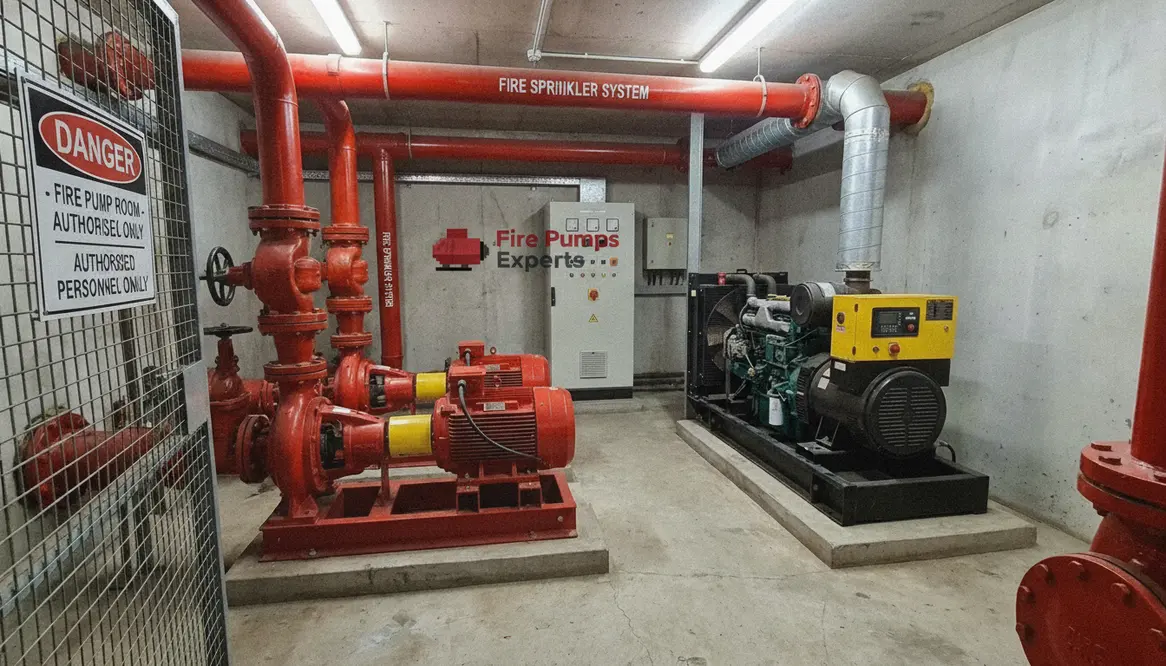
South Africa Fire Pump Room Requirements Overview
I spend a lot of time around building safety, and one thing always stays true: a fire pump room is not the place for guesswork. In South Africa room planning for commercial and industrial sites, the fire pump room must support fast, reliable water supply when the pressure drops and the heat rises. That sounds dramatic, because it is. If the fire system fails, the whole building gets its own very bad action movie moment. So I want to break this down in a clear way, with practical points that help protect major properties, plants, offices, warehouses, and other large facilities.
What a fire pump room must do
A fire pump room houses the equipment that pushes water through the fire system with the pressure needed for sprinklers, hydrants, or hose reels. I always look at it as the muscle behind the fire protection setup. Without it, the system may have all the right pipes and heads, but not enough force to do the job.
For commercial and industrial buildings, the room must stay dedicated to fire protection use. That means no storage boxes, no spare office chairs, and no random “we will move it later” clutter. I have seen people treat these rooms like a forgotten storage closet, and that habit ages about as well as a flip phone in a boardroom.
The room should allow easy access for inspection, maintenance, and emergency work. It also needs enough space for the pump set, controllers, valves, test lines, and clear working room around the equipment. If technicians cannot move safely, then the room already has a problem.
How I plan the room layout and access
I always start with access. A fire pump room must be easy to reach from inside the building, and in many cases it also needs direct access from outside for service crews and emergency teams. Doors should open without a fight, and the path to the room should stay clear. When a fire breaks out, nobody wants to wrestle a lock like it is a final boss in a video game.
Inside the room, I check for enough clearance around each unit. The pump, motor, diesel set if used, starter panel, and control gear all need space for safe use and repair. Good layout also helps reduce downtime during service visits. That matters, because a pump room that is hard to work on becomes expensive very quickly.
Layout priorities at a glance
Priority
Clear access
Working space
Dedicated use
Equipment separation
Why it matters
Supports fast inspection and emergency response
Makes repairs safer and quicker
Keeps the room free from clutter and risk
Helps avoid heat, vibration, and service issues
What South Africa room safety rules should I check
In South Africa room planning, I always check the building rules, fire code needs, and the engineer’s design documents before I confirm the final setup. The room must match the project’s fire risk and the size of the protected property. A small retail unit and a large industrial plant do not need the same setup, which sounds obvious, yet somehow this still gets ignored.
The room should stay dry, secure, and well ventilated. Heat can damage equipment, and moisture can shorten the life of pumps and control gear. I also make sure the floor can handle the equipment load and that the room reduces vibration transfer. If a pump shakes like it is hearing heavy metal from the next room, the design needs a closer look.
Electrical supply must stay reliable and properly protected. Diesel pump sets may also need fuel storage planning, exhaust control, and safe testing access. I never treat these as small details, because they are not. They are the difference between a system that works and one that only looks impressive on a drawing.
Linking standards, risk, and real-world operation
For complex facilities, it helps to compare national codes, insurer requirements, and specialist guidance from trusted sources such as https://firepumps.org. The aim is not to collect paperwork, but to turn all those rules into a practical South Africa room design that stays safe under pressure.
How I make sure the equipment stays ready
A fire pump room is only useful if the system works when needed. So I focus on maintenance from day one. The room should support routine testing, inspection, and quick fault finding. That means the controls need clear labels, the valves need proper access, and the arrangement should let technicians do their jobs without wrestling the entire room like it owes them money.
Regular checks should cover pump condition, controller status, pressure readings, pipe condition, valve position, and alarm functions. I also pay close attention to signs of leaks, corrosion, or unusual noise. Small problems rarely stay small in fire protection. They usually invite friends.
For commercial and industrial facilities, I also recommend keeping records of inspections and service work. Those records help with compliance, planning, and insurance. Just as important, they show that the property team treats fire safety as a real system, not a box tick.
Maintenance habits that keep a South Africa room reliable
- Schedule weekly pump runs and record pressures and run times.
- Test alarms, phase-failure protection, and changeover logic according to the maintenance plan.
- Walk the room with a simple checklist: leaks, noise, heat, smells, and unexpected vibration.
- Keep the South Africa room tidy, well lit, and clearly signed so that visiting technicians can work fast and safely.
Fire pump room requirements in South Africa room projects
When I work on South Africa room projects for major buildings, I keep the main goal simple: build a room that supports a dependable fire system every single time. That means proper layout, clear access, strong ventilation, safe electrical setup, and room for maintenance. It also means sizing the room to match the building’s risk and the system design, not someone’s wishful thinking after a late meeting and too much coffee.
I also look at long term use. A good fire pump room should serve the property for years with steady performance. So I think beyond the install and plan for service, testing, upgrades, and safe operation during the full life of the building.
From design meeting to working South Africa room
Strong projects usually move through a simple pattern: define the hazard, size the system, shape the room, and only then lock in the final equipment. When the South Africa room is treated as a leftover space, compromises stack up. When it is treated as core infrastructure, the system stands a far better chance of performing when everything else is going wrong.
FAQ
Ready to get your fire pump room right?
If you manage a commercial, industrial, or major property building, I recommend treating your fire pump room as critical infrastructure, because that is exactly what it is. A strong design today can prevent expensive failure tomorrow. So take a fresh look at access, layout, ventilation, and compliance before trouble starts. If you want support, now is the time to review your setup, speak with a fire protection expert, and make sure your system is ready when it matters most.