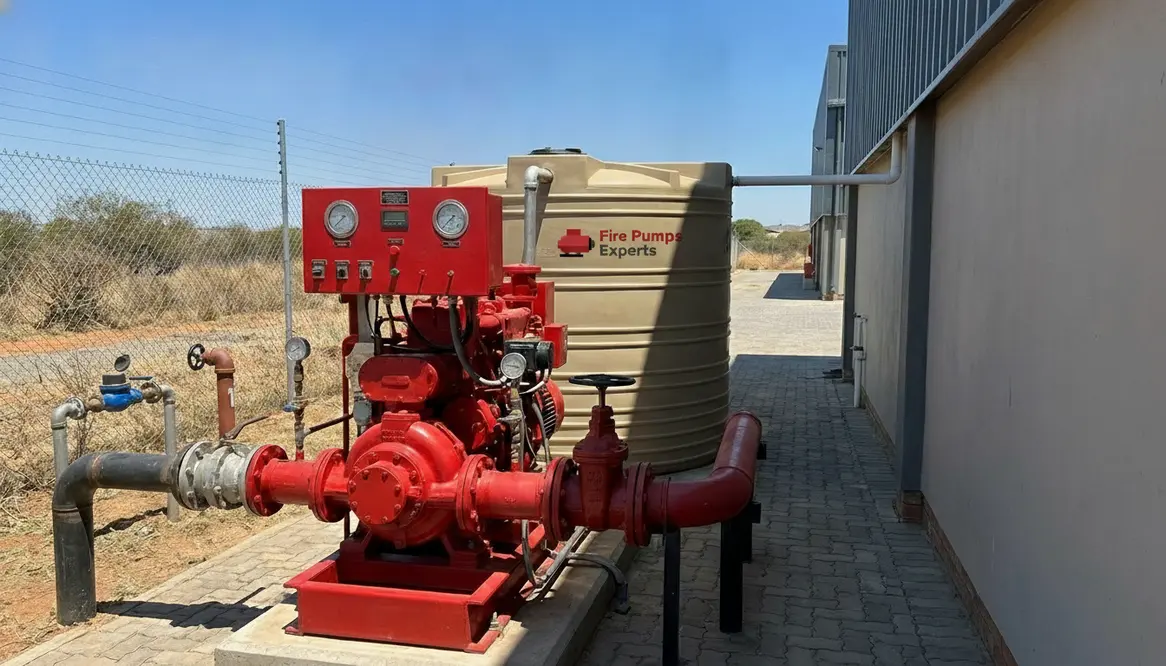
South Africa Fire Pump Water Supply Requirements for Commercial and Industrial Buildings
When I look at fire protection in a commercial site, I always start with one thing: the water. In South Africa water supply planning, a fire pump is only as good as the source behind it. If that source fails, the pump becomes a very expensive paperweight. And nobody wants a heroic machine with no water, which is a bit like bringing Batman to a picnic and forgetting the cape.
For major properties, factories, warehouses, office towers, shopping centres, and other large buildings, the water supply must support real fire demand, not just everyday use. So, I focus on flow, pressure, reliability, storage, and compliance. Those five pieces decide whether the system will do its job when smoke starts doing its very rude impression of a fog machine.
Why the water source comes first
A fire pump is not the hero of the story; it is the translator. It takes whatever the water source can give and turns it into useful fire flow. If that source is weak, interrupted, or undersized, the whole system underperforms at the one moment it absolutely cannot afford to.
That is why I treat the water supply as the foundation of the design, not an afterthought squeezed in after the pump has already been chosen.
What a fire pump needs from the water source
I always treat the water source as the first part of the fire system, not the last. A fire pump needs enough water volume to match the design fire demand for the building. It also needs stable suction conditions, because if the pump sucks air or loses prime, performance drops fast. That is not drama; that is hydraulics.
For commercial and industrial facilities, I check whether the source comes from a municipal main, a storage tank, a dam, or another dedicated supply. However, the source must serve fire protection first. If normal site demand shares the same water without proper sizing, pressure loss can hit at the worst possible time. That is why I never assume the everyday water line will carry a fire event. It usually will not. Life, as they say, enjoys plot twists.
Keeping water available when power is not
The source must also stay available during a power cut or system fault. So, I look for backup water storage and reliable pump setup. In many projects, that means a dedicated fire water tank. It gives the system a clean reserve and helps avoid conflict with daily operations.
South Africa water supply rules that shape fire pump design
In South Africa, fire protection design must align with local codes, municipal rules, and accepted engineering practice. I always advise clients to work with qualified fire engineers and installers who understand commercial and industrial risk. That matters because a warehouse with high rack storage does not need the same setup as a mid size office block. One size fits all is great for socks, not for fire systems.
The water source must deliver the required flow at the required pressure for the full design duration. Also, the piping, valves, and tank connection must support that demand without excessive loss. If the system pulls water from a municipal supply, the available pressure often needs booster support. If it uses a tank, the tank must hold enough water for the fire scenario.
Key supply checks for commercial and industrial systems
- The source can deliver the design flow rate
- The pressure remains stable under pump start up
- The tank or main can support the fire duration
- The suction line stays short, direct, and properly sized
- The supply remains protected from contamination and interruption
For a deeper technical view, I recommend reviewing commercial fire pump system requirements for industrial and major property applications. That kind of reference helps owners speak the same language as engineers, which is always useful before the invoices start speaking louder.
How I size water storage for a fire pump
I size fire water storage by matching the hazard level, building type, and required discharge time. In a large commercial or industrial site, the system may need a serious reserve. That reserve protects the building if the municipal source drops pressure or cannot keep up. I do not like guessing here. Guessing is for movie endings, not fire protection.
The storage tank must supply the pump at full demand for the full required duration. At the same time, I make sure the tank allows usable volume, not just total volume on paper. Some of that water sits below the usable outlet level, so the real working amount matters most. If the tank design ignores that detail, the system may look fine until the day it matters. Then, suddenly, it is a very costly aquarium.
Refill and recovery after an event
Also, I check refill arrangements. A tank that empties well but refills too slowly can leave the site exposed after one fire event or routine test. For major properties, that can create a gap in protection across the rest of the day. So, I prefer a balanced design that supports both emergency use and recovery.
What I check during fire pump supply design
I use a simple flow when I assess a project.
Core review steps
Water source review
I confirm whether the supply comes from municipal water, a tank, or a dedicated reservoir.
Flow and pressure test
I check whether the source can maintain the required performance while the pump runs.
Tank and suction design
I make sure the tank feeds the pump cleanly and the suction line avoids loss and air entry.
Backup and reliability
I look for backup power, backup water where needed, and strong maintenance access.
Site type match
I compare the supply design with the real risk of the building, not with a generic checklist from the internet abyss.
This approach matters because a fire pump does not work in isolation. It depends on valves, tanks, suction lines, controls, and the larger water network. If one part fails, the whole chain weakens. Therefore, I treat the system like a business process: every part must support the next part.
Why compliance and maintenance protect the investment
Once the system is installed, I still keep the work going. Regular testing and maintenance protect the water supply, pump performance, and compliance record. In commercial and industrial buildings, that record matters for safety, insurance, and business continuity. No one wants to explain a failed fire system after the fact. That conversation has the charm of a tax audit with smoke damage.
I also recommend routine checks on tank levels, valve position, suction integrity, and pump start function. Furthermore, the system should get scheduled inspections by people who understand fire protection for major properties. If the water source changes, even slightly, I revisit the design. A small pressure drop today can become a big problem tomorrow.
Linking maintenance to South Africa water supply reliability
In many regions, municipal pressure and availability can change over time. Periodic rechecks make sure the fire pump and storage still match the latest South Africa water supply conditions, rather than the assumptions made years ago when the system was first installed.
Frequently Asked Questions
Final Thoughts
If I want a fire system to work when it counts, I start with the water supply and I never treat it as a side note. For South Africa water supply planning in major commercial and industrial buildings, the right source, storage, pressure, and maintenance plan make all the difference. If you manage a large property, now is the time to review your setup, tighten the weak points, and bring in expert help before a fire turns a small gap into a big problem.