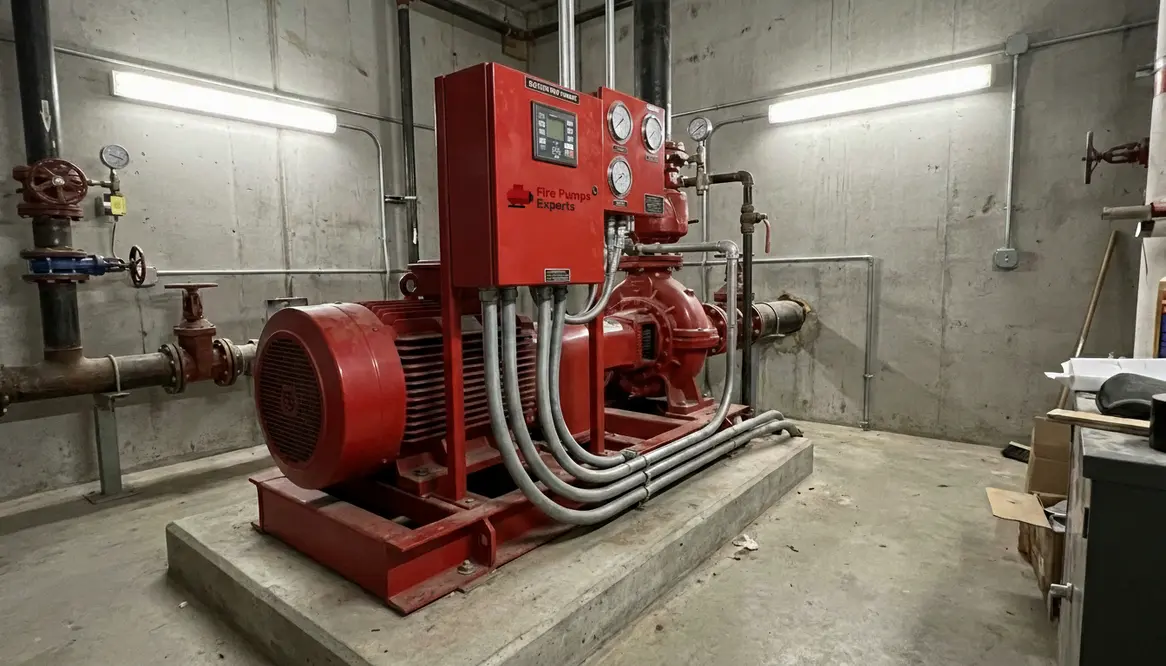
UAE Fire Code Electric Fire Pump Requirements Guide
UAE Fire Code electric fire pump requirements sound dry at first, but in a commercial or industrial building, they can make the difference between a controlled incident and a costly disaster. I have seen how quickly fire safety turns from “we should check that later” into “why is everyone running?” So, I keep this simple: if your property depends on a fire pump, the electric one must be sized, installed, tested, and maintained with care. In the UAE, the rules are built to protect major buildings, busy facilities, and the people who work inside them every day. That is the whole game.
In this article, I walk through the main points I would check first, from power supply to testing and room design. And yes, I will keep the jargon from wandering off like a distracted intern.
What the UAE Fire Code expects from an electric fire pump
The UAE Fire Code expects the electric fire pump to support the sprinkler or fire fighting system when demand rises. In plain terms, the pump must start fast, run reliably, and deliver the pressure and flow the system needs. I always treat this as a life safety asset, not just another machine in a plant room.
For commercial and industrial properties, the pump setup usually needs proper sizing, a dependable power source, and a control system that can respond without drama. Because fire does not wait for a software update, the pump must work the first time, every time.
UAE Fire Code electric power supply rules
The electric fire pump needs a stable electrical supply, and that supply should support the pump under emergency conditions. If the main power fails, the fire protection design must still cover the risk. Therefore, many projects use an emergency power source or alternate arrangement that keeps the pump ready for duty and in line with UAE Fire Code electric expectations for reliability.
Here is the practical view I use:
Power source checklist
- Dedicated electrical feed for the fire pump
- Proper protection and controls for starting
- Backup power where the fire strategy requires it
- Clear labeling and access for inspection teams
Also, I always remind owners that fire pump power should not share the same loose habits as a weekend extension cord at a music festival. This is serious equipment. It needs clean design and solid protection that respects the intent behind UAE Fire Code electric safety rules.
How I assess installation and room design
The pump room matters just as much as the pump. The UAE Fire Code electric requirements usually expect the room to support safe operation, maintenance, and access during an emergency. So, I look at ventilation, drainage, lighting, fire rating, and enough space to service the equipment without performing acrobatics.
Item
Fire pump room
Electrical control panel
Emergency access
Testing points
Why it matters
Keeps the pump usable and protected
Supports safe start and monitoring
Allows quick response during faults
Makes testing and inspection easier
In my experience, a poor room layout creates hidden problems later. One bad location choice today can become a maintenance headache tomorrow. And nobody wants a fire safety drama with a side of “we should have planned better.”
UAE Fire Code electric testing and maintenance steps
Testing proves the system is ready, and maintenance keeps it that way. I always tell clients that a fire pump is not a “fit and forget” asset. It needs checks at set times, and those checks must include the electric controls, power supply, alarms, and pump performance.
Core maintenance actions
- Weekly or scheduled visual checks
- Periodic no flow tests
- Full flow performance tests
- Inspection of cables, controllers, and alarms
- Review of logs and repair records
Furthermore, I recommend keeping records in one place. Good records help prove compliance and make audits easier. They also help find patterns before small faults turn into expensive ones. Think of it as the difference between a neat suit and a pile of laundry. Both can exist, but only one wins in a boardroom.
Common compliance gaps I see in major buildings
When I review commercial and industrial sites, the same problems show up again and again. Some are simple oversights, while others come from rushed design work. Either way, they can put compliance at risk and clash with how UAE Fire Code electric protection is supposed to work.
Frequent issues
- Undersized electrical supply for the pump load
- Poor access to the pump room
- Weak maintenance records
- Failure to test under realistic conditions
- Pump room storage that blocks service access
Also, I see many teams focus on the pump itself and ignore the full system around it. That is like buying a superhero cape and forgetting the person inside it. The whole setup has to work together if you want UAE Fire Code electric compliance to hold up under scrutiny.
Where to get expert help with UAE Fire Code electric systems
If you manage a warehouse, tower, factory, mall, or other major property, I strongly suggest using a specialist team that knows UAE fire rules and local authority expectations. If you want a deeper technical reference, I would point you to fire pump compliance guidance for commercial properties as a useful starting point for planning and review.
At the end of the day, the goal is simple: keep the pump ready, keep the building protected, and keep the approval process smooth. That takes proper design, proper testing, and proper discipline. Not glamorous, I know. But neither is a fire alarm at 2 a.m.
FAQ
Conclusion
If you manage a commercial or industrial property, I recommend treating the UAE Fire Code electric fire pump as a critical part of your safety plan, not a box to tick and forget. Review the power supply, room layout, testing routine, and records with care. If you want support, speak with a fire safety specialist who works with major properties and knows local compliance well. A strong system protects people, protects assets, and saves you from very expensive surprises.