UAE Fire Code Fire Pump Testing Requirements Guide
UAE Fire Code Fire Pump Testing Requirements for Commercial and Industrial Buildings
When I talk about UAE Fire Code testing, I am really talking about one thing that keeps a building ready when the heat is not playing nice. In commercial and industrial properties, fire pumps must work fast, hold pressure, and deliver water without drama. That sounds simple, yet as anyone who has watched a system get tested knows, the details matter. A pump that looks fine on paper can still act like a sleepy extra in a disaster movie. So, I take testing seriously, because the UAE Fire Code does too.
For major properties, the fire pump is not a side character. It is part of the life safety system, and it must answer the call every time. That is why regular checks, proper records, and performance testing matter from day one.
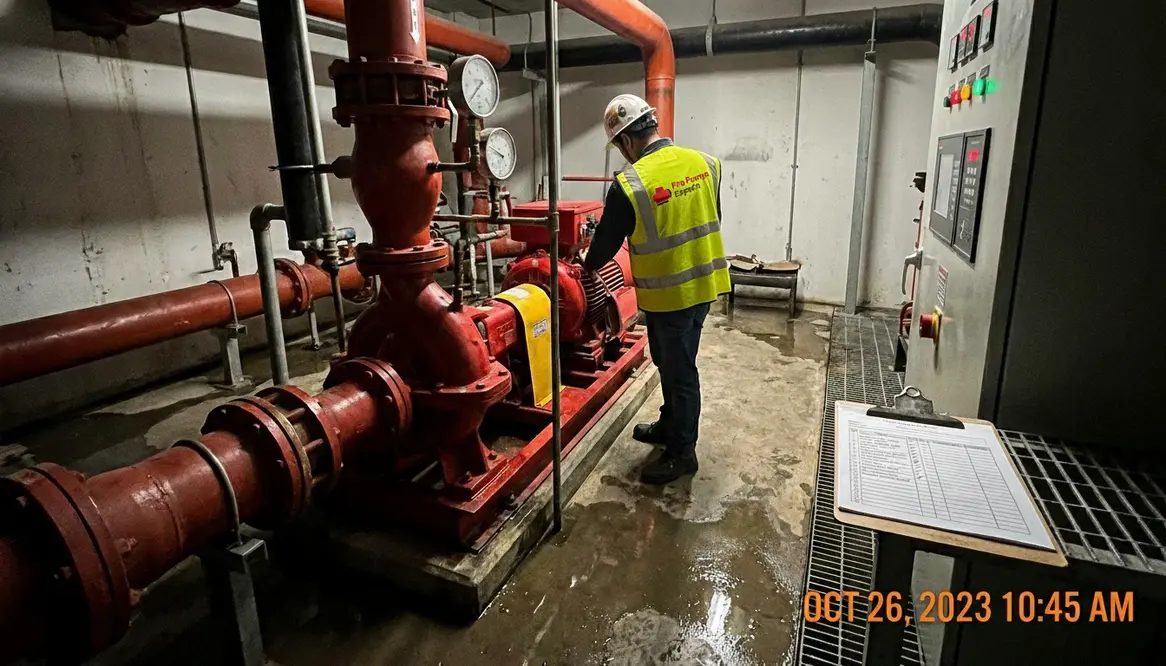
Before I run any test, I look at the whole setup. I confirm the pump room is clean, the power supply is stable, and the system valves are in the right position. Then I review the pump type, since electric pumps, diesel pumps, and jockey pumps each need their own care. In UAE Fire Code testing, the goal is not just to turn the pump on. The goal is to prove the system can support the building under real demand.
I also check the logs. If the last inspection showed a weak battery, a leak, or low suction pressure, I do not ignore it. Problems do not fix themselves. They usually get louder, like a phone on speaker in a quiet meeting.
What I check before fire pump testing starts
Before I run any test, I look at the whole setup. I confirm the pump room is clean, the power supply is stable, and the system valves are in the right position. Then I review the pump type, since electric pumps, diesel pumps, and jockey pumps each need their own care. In UAE Fire Code testing, the goal is not just to turn the pump on. The goal is to prove the system can support the building under real demand.
I also check the logs. If the last inspection showed a weak battery, a leak, or low suction pressure, I do not ignore it. Problems do not fix themselves. They usually get louder, like a phone on speaker in a quiet meeting.
How fire pump tests work in commercial facilities
Here is the short answer: I test for pressure, flow, power, and response time. I want to know that the pump starts when needed and keeps the system supplied. In the UAE, fire pump testing often includes the following steps:
- Start test to confirm the pump begins without delay
- Churn test to check pressure when there is no flow demand
- Flow test to measure output at different demand points
- Controller test to confirm alarms and signals work properly
- Jockey pump check to make sure small pressure drops do not trigger the main pump
These steps help me see the full picture. Also, they reveal if the system has hidden problems, like worn parts, air in the line, or a pump that has been pretending to do cardio.
Fire pump testing checklist for industrial sites
Industrial sites ask for a tougher lens. Heavy use, dust, heat, vibration, and long operating hours can all wear down equipment. So, I focus on more than the pump itself. I check fuel levels for diesel units, battery condition, suction and discharge gauges, and the condition of all valves and fittings. I also inspect the pump room ventilation, because heat buildup can hurt performance fast.
| Item | What I verify |
| Pump start | Fast response with no fault |
| Pressure | Meets required system demand |
| Flow | Holds output at test points |
| Power source | Electric supply or diesel backup works |
| Controller | Alarms, signals, and auto start function |
This process gives me confidence that the system is ready for a real emergency. It also helps the facility team spot weak parts before they become expensive headaches. And trust me, a breakdown during a test is a lot cheaper than a breakdown during a fire.
How often I recommend testing and inspection
I always say this: a fire pump should not be treated like a gym membership you forget about until New Year’s Eve. The UAE Fire Code expects routine care, and I strongly support regular testing. Weekly checks help confirm the pump stays ready. Monthly and annual tests go deeper and show whether the pump still meets the building’s demand.
For large commercial and industrial buildings, I recommend a clear schedule that includes:
- Weekly visual checks for leaks, alarms, and general condition
- Monthly operational checks for start up and controller function
- Annual performance testing for full pressure and flow review
- After repair testing when any major part changes
With this rhythm, I can catch problems early and keep the fire protection system in strong shape. Consistency matters, because fire does not send a calendar invite.
Why records matter for compliance and safety
Good testing means little if nobody writes it down. I keep clear records for every test because they prove compliance and help track trends over time. If pressure drops every few months, the log will show it. If a diesel pump starts slow after a service, the record will catch it. That kind of paper trail helps facility managers, fire safety teams, and inspectors all stay on the same page.
For businesses, this also reduces risk. Proper records can support audits, insurance reviews, and maintenance planning. In other words, the logs do not just sit there looking serious. They earn their keep.
FAQ
Final thoughts and next step
If you manage a commercial tower, warehouse, factory, or other major property, I urge you to stay ahead of your fire pump duties. Strong testing protects people, property, and business continuity. It also keeps you aligned with UAE Fire Code testing expectations without last minute stress. So, review your schedule, inspect your records, and act before a small issue grows teeth. If you want reliable support for your fire pump system, now is the time to move.