UAE Fire Code Fire Pump Room Requirements Guide
Practical checks, real-world lessons, and code-focused tips for safer fire pump rooms in commercial and industrial buildings across the UAE.
UAE Fire Code Fire Pump Room Requirements: What I Look For in Commercial and Industrial Buildings
When I walk into a UAE Fire Code room, I do not start with the shiny bits. I start with the basics, because the basics are the difference between a system that works and one that makes everyone sweat later. In commercial towers, factories, warehouses, and major properties, the fire pump room sits at the heart of fire protection. If it fails, the whole system can wobble like a bad sequel no one asked for. So, I focus on layout, access, ventilation, power, drainage, and maintenance, because the UAE Fire Code sets a clear standard for safety and performance.
In this article, I break down the fire pump room requirements in simple terms. I also keep my eye on what matters most for large buildings and industrial facilities, because that is where the stakes rise fast and the margin for error gets very small.
What I Check First in a Fire Pump Room
I always begin with location and access. A fire pump room must sit in a safe, protected area, and it must stay easy to reach for inspection, testing, and emergency response. If people cannot enter it fast, then the room loses value before the pumps even start. For major properties, this matters even more, because the system often supports large water demand and long pipe networks.
I also look for separation from risky spaces. The room should stay clear of flood risk, heat exposure, and unrelated storage. Nobody wants cartons, spare chairs, or random “temporary” items turning a safety room into a storage closet. That move may save five minutes today, but it can cost a building far more later.
Why Location, Access, And Separation Matter
- Protected from external fires, flooding, and vehicle impact.
- Accessible directly from a safe route, without weaving through storage mazes.
- Separated from electrical rooms, fuel tanks, or high-heat process areas unless specially protected.
- Kept clear of casual storage that quietly blocks access over time.
When these early checks line up with the UAE Fire Code room expectations, the rest of the inspection usually goes smoother, and the room has a far better chance of performing when needed.
How I Confirm The Room Meets UAE Fire Code Room Rules
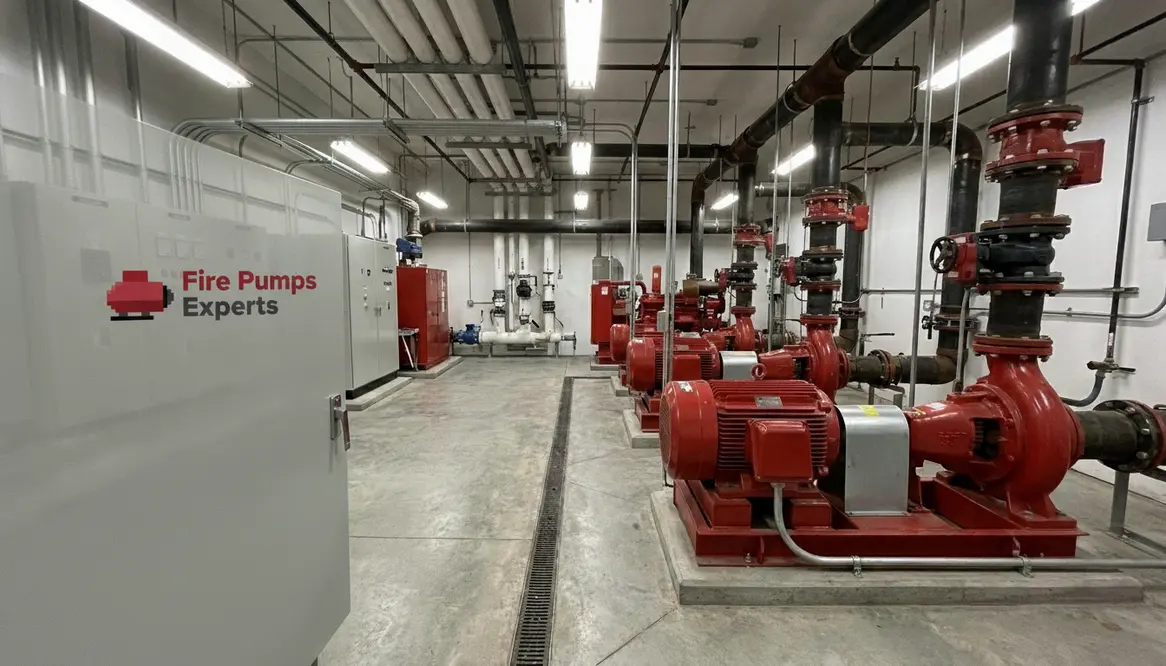
I check the physical setup against the code and the engineer’s design. The room must support the pump set, controller panels, valves, and test equipment without crowding. In addition, the floor must handle vibration and weight. Fire pumps are not light guests. They need a solid base, proper anchoring, and enough space around each unit for service work.
Core Layout Priorities
Design and access
- Clear entry path for people and equipment.
- Enough working space around pumps, valves, and controllers.
- Strong room structure sized for pump weight and dynamic loads.
- Proper door opening to remove or replace major components.
Safety and operation
- Fast response during faults or alarms.
- Safe inspection and repair routes without cramped corners.
- Less vibration and damage risk when pumps run at full load.
- Room for test equipment and code-required performance checks.
This kind of setup keeps the room practical. It also helps with long term maintenance, which is where many projects either shine or stumble. And yes, the pump room is not glamorous. It will never trend on social media. Still, when fire protection matters, it becomes the quiet hero in the building.
Why Ventilation, Drainage, And Power Matter So Much
Ventilation For Reliable Operation
I never treat ventilation as a side note. Fire pump rooms generate heat, and heat can shorten equipment life. Therefore, the room needs proper airflow to protect motors, controllers, and diesel engines where used. If the room stays too hot, performance drops, and trouble starts knocking like it owns the place.
Drainage For Safety And Clean Operation
Drainage matters just as much. Water from testing, leaks, or maintenance must leave the room safely. If water pools on the floor, it creates slip hazards and may damage electrical parts. I look for a clear drain plan, good floor slope where required, and no chance of water backing up into the equipment area.
Power Supply And Backup Support
Power supply also deserves serious attention. Fire pumps rely on dependable electrical service, and where diesel pumps exist, fuel storage and engine support systems must follow the code and design rules. I want to see proper controller placement, secure wiring, and backup support that gives the system a real chance to work under pressure. After all, fire does not wait for a power cut to become polite.
How I Keep The Room Ready For Testing And Maintenance
Fire pump rooms need regular testing, not just a nice nameplate and good intentions. I make sure the room allows easy access to gauges, valves, controllers, and alarms. The staff must test the pumps without digging through obstacles or moving half the building to reach one panel.
Operational Readiness Essentials
- Clear access to all gauges, test lines, and isolation valves.
- Dedicated, unobstructed space at each controller front.
- Room for test hoses or flow meters without blocking exits.
- Arrangements that match both the shop drawings and the UAE Fire Code room expectations.
Signage, Lighting, And Housekeeping
I also watch for signage, lighting, and housekeeping. Clear labels help teams act fast. Good lighting helps them spot leaks, wear, and faults. Clean floors and clear access routes help them work safely. These details sound small, but in a real emergency, small details can act like the supporting cast in a blockbuster. They do not get the applause, but they make the scene work.
Using Guides And Technical References
For commercial and industrial facilities, I recommend using a trusted UAE fire pump room compliance guide and aligning every change with the approved design. If a building owner wants deeper technical support, I also suggest reviewing a specialized reference like fire pump room design and compliance for major properties through a provider that focuses on large commercial and industrial sites. That kind of source helps keep the project on track and keeps the paperwork from turning into a novel no one wants to read.
When all of this is coordinated, the UAE Fire Code room for your pumps becomes far more than a hidden plant space; it becomes a controlled environment that quietly supports the safety strategy of the entire property.
If you need an external reference point or want to cross-check interpretations and good practices, resources such as https://firepumps.org can help frame what a well-designed pump room looks like in real-world projects, even when tailored back to your own UAE Fire Code room conditions.
FAQ: UAE Fire Code Fire Pump Room Requirements
Conclusion
I treat the fire pump room as a core safety asset, not just another technical space. When I check access, ventilation, drainage, power, and maintenance needs together, I help protect the full fire system and the people who depend on it. So, if you manage a commercial tower, factory, warehouse, or major property, now is the time to review your setup, confirm code compliance, and fix weak points before they become expensive lessons.