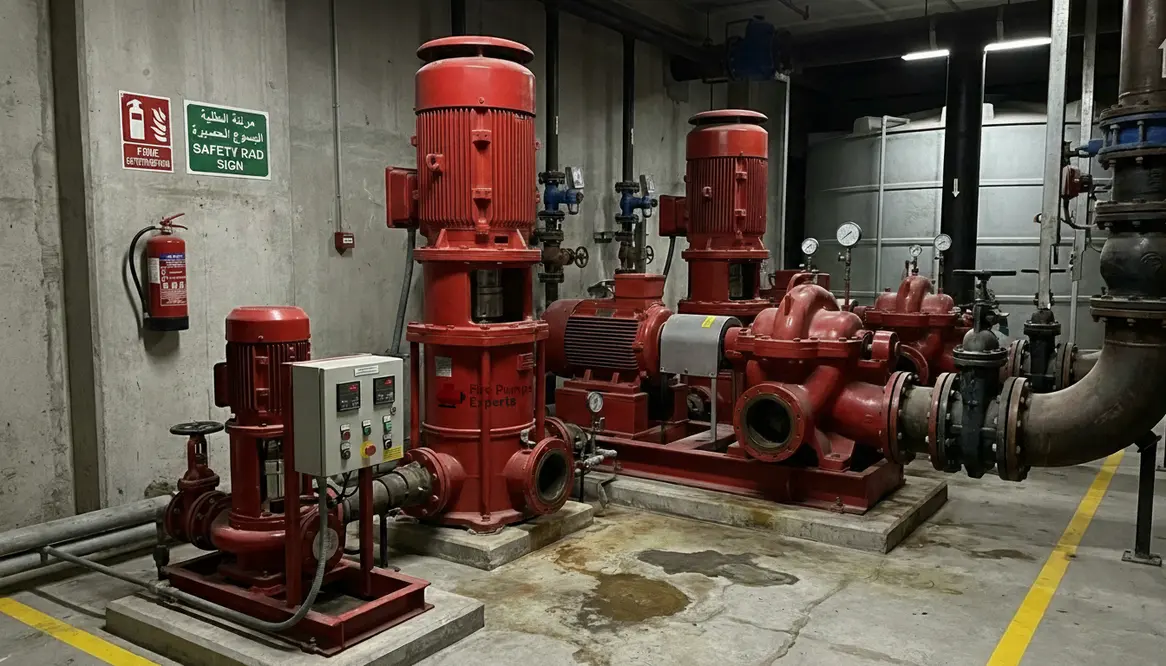
UAE Fire Code Industrial Fire Pump Requirements
UAE Fire Code Fire Pump Requirements for Industrial Facilities
When I look at UAE Fire Code industrial rules for fire pumps, I see more than a technical checklist. I see the quiet backbone of safety for factories, warehouses, plants, and major property buildings that cannot afford a weak moment. A fire pump does not ask for attention, yet it stands ready like a supporting actor who somehow carries the whole movie. And yes, in industrial spaces, that matters a lot. One delay in water pressure can turn a small incident into a full scale headache, and nobody wants that kind of drama on the night shift.
In this guide, I walk through the fire pump rules that matter most for industrial facilities in the UAE. I keep it clear, practical, and focused on what owners, engineers, and facility managers need to know right now.
What the UAE Fire Code Expects from Industrial Fire Pumps
The UAE Fire Code requires fire pump systems to support reliable water flow and pressure during emergencies. For industrial facilities, that means the pump must match the building risk level, the sprinkler demand, and the fire hydrant load. I always tell teams that a fire pump is not a guesswork item. It must be sized, selected, and installed based on the actual hazard, not on hope, optimism, or a quick coffee break calculation.
Industrial sites often have larger open spaces, higher fuel loads, machinery, and storage areas. Therefore, the system must deliver enough pressure even when multiple fire protection devices work at the same time. The code also expects proper redundancy in many cases, so the system keeps running if one part fails. That is not overkill. That is common sense with a hard hat.
Fire Pump Types and How I Choose the Right One
When I assess a facility, I look at the pump type first. The code and good engineering practice usually call for one or more of these options:
- Horizontal split case pumps for high flow and stable performance
- Vertical turbine pumps where water comes from tanks, reservoirs, or underground sources
- Jockey pumps to keep pressure steady and reduce unnecessary starts
- Diesel driven or electric driven main pumps based on the site power risk and design needs
The jockey pump may not sound exciting, but it plays a big role. It holds pressure so the main pump does not start every time someone sneezes near the system. That saves wear, and it helps the fire system stay sharp for the real emergency.
Why Selection Matters For UAE Fire Code Industrial Compliance
Each pump type responds differently under load. In high-risk industrial areas, UAE Fire Code industrial expectations lean heavily on proven reliability, stable pressure, and resilience to power loss or mechanical failure. A mismatched pump can technically meet flow on paper while failing the moment multiple sprinklers, hydrants, and hose reels join the party.
So I link every pump decision back to risk profile, water source, and power reliability. That keeps the system aligned with UAE Fire Code industrial expectations in a real, measurable way instead of just ticking boxes in a specification sheet.
How I Read the Sizing and Performance Rules
The real test of compliance lives in sizing and performance. The fire pump must meet the demand of the worst expected fire scenario for the protected industrial area. That includes enough pressure at the most remote point in the system. It also means the pump curve must match the system curve, because a pump that looks impressive on paper but fails in the field is just expensive décor.
Here is how I break it down in practice:
- Fire demand must reflect the full system load
- Pressure loss must include pipe length, fittings, elevation, and valves
- Water supply must stay reliable for the required duration
- Power source must remain available during a fire event
In industrial facilities, I also check whether storage tanks and water supplies can support long discharge periods. Heavy risk sites often need stronger reserves than smaller commercial spaces. So, yes, the pump is important, but the water source is the real unsung hero.
Key Fire Pump Components at a Glance
| Component | What I verify | Why it matters |
| Main fire pump | Capacity, pressure, and start method | Delivers the core fire flow |
| Jockey pump | Small pressure support and auto start | Keeps the system stable |
| Controller | Alarm, automatic start, fault signals | Ensures fast response |
| Water source | Tank level and draw down time | Supports long fire fighting duration |
Installation Details I Never Skip
Good design means little if installation goes sideways. I always check the pump room layout, ventilation, drainage, access, and clear working space. The fire pump room must stay easy to reach and safe to operate. It should also allow maintenance without turning every service visit into a scavenger hunt.
The controller must sit in a protected location with clear alarms. Electrical and diesel systems need proper separation, and diesel pumps need fuel arrangements that support emergency use. In addition, suction piping must avoid air pockets and flow problems, because pumps dislike bad piping almost as much as people dislike bad meeting invites.
Industrial Realities: Noise, Vibration, and Longevity
For industrial sites, I also pay close attention to vibration control, foundation strength, and alignment. A pump that shakes too much will age badly, and nobody wants a system that sounds like it is auditioning for a horror film.
Well-installed systems tend to pass audits smoothly, keep maintenance teams happier, and stand a far better chance of performing the way UAE Fire Code industrial requirements expect when something actually catches fire.
Testing, Maintenance, and the UAE Fire Code Industrial Rule Set
I treat testing as the moment of truth. The UAE Fire Code industrial requirements expect the pump system to work when needed, not just look polished on install day. Routine flow tests, pressure checks, controller tests, and alarm checks help prove that the system can respond under load. Diesel systems need fuel checks, battery care, and engine start testing. Electric pumps need power verification and control panel inspection.
Maintenance must stay regular and documented. I advise industrial operators to keep records of test dates, readings, repairs, and any faults found. That paper trail helps during audits and, more importantly, it helps the facility stay safe. If a pump has a problem, I want to know about it before a fire does.
If you need deeper guidance for commercial and industrial projects, I recommend reviewing expert fire pump solutions for industrial facilities so you can align your system with proper UAE compliance and performance expectations.
FAQ
Final Thoughts and Next Step
I see fire pump compliance as a business decision as much as a safety one. When an industrial facility follows the UAE Fire Code properly, it protects people, assets, and operations without fuss. So, if your site needs a review, a new design, or a compliance check, now is the time to act. I would move fast, verify every detail, and make sure your fire pump system is ready before anyone has to trust it in an emergency.