UL Listed Fire Pump Installation Guide
UL Listed Fire Pump Installation Considerations
When I talk about UL installation for commercial and industrial properties, I am talking about more than a box, a pump, and a few bolts. I am talking about life safety, code compliance, and the kind of planning that keeps a building ready when the pressure drops and the stakes rise. In a major property, a fire pump is not a side character. It is the quiet giant in the back room, waiting for its moment like Batman, but with better paperwork.
For industrial plants, office towers, hospitals, warehouses, and other large facilities, the installation has to line up with the system design, the water supply, the electrical setup, and the local fire code. So, if you want a fire pump that performs when it matters, you need a thoughtful process from day one. That is where I start.
How I plan a UL Listed Fire Pump Installation
I always begin with the building’s demand. First, I check the occupancy type, height, hazard level, and sprinkler system needs. Then I look at the water source. A fire pump only helps if it can receive enough water to do its job. That sounds obvious, but you would be surprised how often people assume a pump can fix a weak supply like magic. It cannot. Even Thor had limits.
I also review the fire protection plan as a whole. The pump must match the system’s flow and pressure needs, and it must fit the site conditions. If the pump is too small, the system will fall short. If it is too large, it can create problems with pressure control and wear. Therefore, I work from accurate calculations, not guesses or wishful thinking.
What site conditions matter most?
Site conditions can make or break the project. I check the room size, ventilation, drainage, access paths, and proximity to other equipment. A pump room needs enough space for safe service and testing. It also needs clear access for technicians, because a tight room turns routine maintenance into a game of human Tetris.
Key UL installation checks
UL installation needs careful review of:
- Water supply for flow and pressure support
- Electrical service for reliable power and proper control
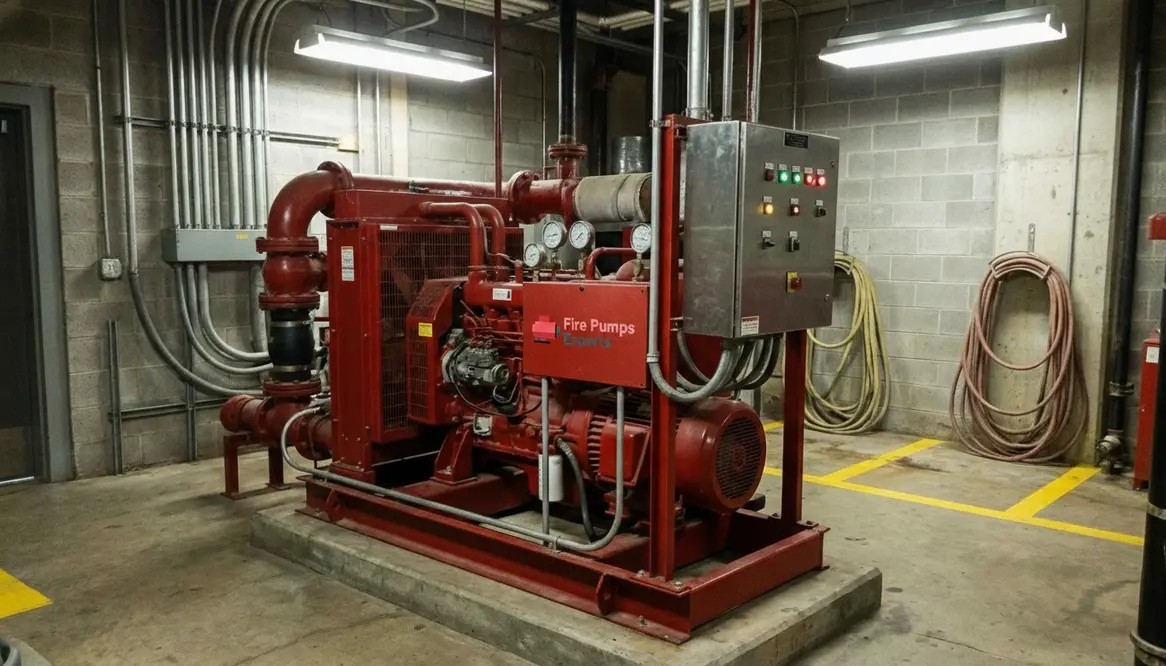
- Pump room layout for access, ventilation, and service space
- Drainage to manage test water and leaks
- Code fit for local and national fire protection rules
I also look at vibration control and piping support. A fire pump should sit on a stable base, with piping arranged to reduce strain. Poor piping support can shift loads onto the pump casing, and that creates trouble over time. In industrial buildings, where equipment already works hard, I want every part to stay as calm as a monk on a Sunday morning.
Why UL installation and code compliance must work together
UL listing matters because it shows the pump and key components have been tested for fire protection use. However, listing alone does not finish the job. The installation must still follow the applicable fire code, manufacturer instructions, and local authority requirements. In other words, the label is not a shortcut. It is a foundation.
I make sure the control panel, jockey pump, suction piping, discharge piping, alarms, and power supply all match the approved design. Then I confirm that the system passes inspection and testing requirements. This step protects the property owner, the facility team, and everyone who depends on the building’s fire protection system.
UL Listed fire pump setup for commercial and industrial facilities
For major properties, I focus on reliability under real working conditions. That means I think about daily use, emergency use, and long term service. A commercial tower may need different access planning than a manufacturing site. A warehouse may need different freeze protection than a heated plant. So, I do not treat every project like a copy and paste job. That would be lazy, and fire protection does not forgive laziness.
I also coordinate the installation with the building’s other systems. Fire pumps often tie into sprinkler systems, standpipes, and backup power. If those parts do not work together, the whole setup loses strength. Because of that, I want the electrical team, mechanical team, fire protection contractor, and facility manager aligned before startup. Good coordination saves time, reduces change orders, and keeps the project from turning into an episode of a workplace sitcom nobody asked for.
Planning UL installation for long-term reliability
For any UL installation, I am thinking years ahead. The pump room needs clear service paths, valves that can be reached without gymnastics, and controllers mounted where readings can be checked quickly. I want test headers in sensible locations and drainage routes that do not flood areas that people actually like to stand in. When the plan respects long-term work, maintenance stays consistent and the pump is far more likely to be ready when the building truly needs it.
What I check before startup and acceptance testing
Pre-startup review
Before I call a job complete, I review the full system. I confirm alignment, valve positions, suction conditions, wiring, controller settings, and test readiness. I also verify that the pump can start properly and deliver the needed pressure.
Then I help prepare for acceptance testing. This stage matters because it proves the system performs as designed. During testing, I watch for abnormal vibration, leaks, pressure loss, or control issues. If something looks off, I address it fast. A fire pump should not act dramatic during testing. This is not theater.
After the test: keeping the pump ready
After that, I make sure the facility team understands routine inspection and maintenance needs. A strong installation still needs care. Regular testing, cleaning, and service keep the pump ready for the long haul.
I often point facility teams to resources like https://firepumps.org so they can stay current on inspection practices, code updates, and recommended maintenance intervals that support a compliant UL installation through the full life of the system.
FAQ
Conclusion
If you manage a commercial or industrial property, I recommend treating fire pump installation as a serious design and compliance project, not a quick equipment swap. The right UL installation supports safety, performance, and peace of mind. So, if your facility needs a reliable fire pump solution, now is the time to plan carefully, verify every detail, and work with a team that understands major properties. That is how I help buildings stay ready when it counts most.