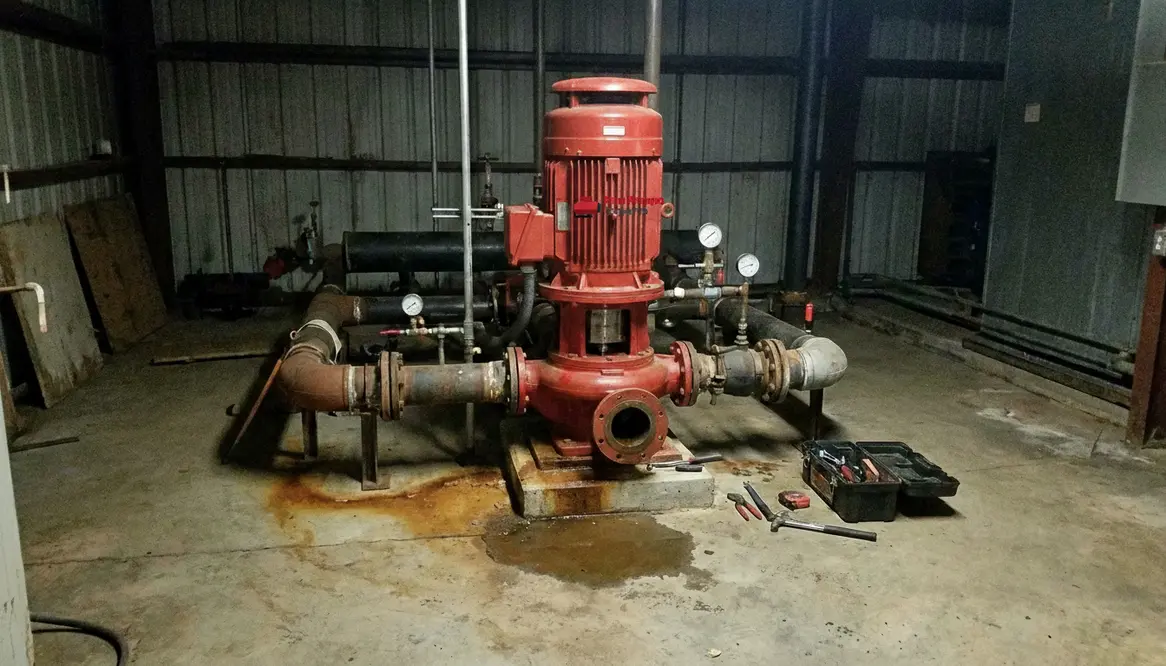
Vertical Inline Fire Pump Problems and Solutions
I have spent years around fire protection systems, and I can tell you this without hesitation: vertical inline fire pump problems rarely show up all at once. They creep in quietly, like a plot twist you should have seen coming but didn’t. One day, everything hums along like a well scored soundtrack. The next, you hear a vibration that feels… off. In commercial and industrial buildings, those small signals matter. So let me walk you through what really goes wrong, why it happens, and how I deal with it before it turns into a full blown emergency.
What are the most common vertical inline fire pump problems I see?
Right away, I notice patterns. These pumps are reliable, but they are not invincible. Most issues fall into a few categories.
Seal leaks that slowly drain performance
First, I often encounter seal leaks. Over time, seals wear out due to heat and pressure. When that happens, water escapes, efficiency drops, and maintenance costs climb.
Bearing failure under constant stress
Then there is bearing failure. Bearings take a beating, especially in high demand facilities. Without proper lubrication or alignment, they fail faster than a New Year’s resolution.
Motor misalignment and rising vibration
Another frequent issue is motor misalignment. Even a slight shift can cause vibration, noise, and long term damage. And yes, that subtle hum you ignore today becomes tomorrow’s shutdown.
Cavitation that sounds like trouble
Finally, I see cavitation. This one is sneaky. Air bubbles form and collapse inside the pump, damaging internal components. It sounds like gravel rattling inside the system, and trust me, that is never a good soundtrack.
Why do vertical inline fire pump problems happen in large facilities?
Here is the truth. These systems work hard, especially in large commercial buildings and industrial complexes. However, problems rarely come from a single cause.
Installation errors that never quite go away
First, I look at installation. If the pump is not aligned correctly from day one, it sets the stage for ongoing issues. Then, I consider system demand. High rise buildings and manufacturing sites push pumps to operate under constant pressure.
Maintenance habits that quietly invite trouble
Also, maintenance habits play a major role. When inspections are skipped or delayed, small issues evolve into serious failures. I have seen facilities treat maintenance like a sequel no one asked for. Eventually, it catches up.
Water quality and hidden wear
In addition, water quality matters. Sediment and debris can wear down internal components faster than expected. Over time, that leads to reduced performance and unexpected downtime.
How I diagnose vertical inline fire pump issues quickly
When something feels off, I do not guess. I follow a clear process.
Listening to sound and vibration
I start with sound and vibration. Pumps communicate through noise. A smooth operation sounds steady. A failing one sounds like it is trying to audition for a disaster movie.
Reading pressure and temperature clues
Next, I check pressure readings. Inconsistent pressure often signals internal wear or blockage. Then, I inspect seals and bearings visually. Leaks and heat marks tell a story if you know how to read them.
Letting system data reveal patterns
After that, I review system logs. Modern fire pump systems track performance data, and those records often reveal patterns that are not obvious in real time.
Comparing against baseline performance
Finally, I compare current performance to baseline metrics. If output drops or energy use spikes, I know something is not right.
Smart prevention strategies that actually work
Prevention is where I focus most of my energy. Fixing problems is good. Avoiding them is better. If you want to stay ahead of vertical inline fire pump problems, these are the habits that actually make a difference.
Routine inspections
I schedule regular checks for seals, bearings, and alignment. This keeps minor wear from becoming major damage and keeps most vertical inline fire pump problems from ever getting a proper opening scene.
Proper lubrication
Bearings need consistent lubrication. Skipping this step is like running a marathon without water. You might get away with it briefly, but the ending is not pretty.
Alignment checks
I verify alignment during installation and after any system change. Even small shifts matter. Catching them early prevents vibration, noise, and a long list of future repairs.
System flushing
Cleaning the system removes debris that causes internal wear. It is simple, but often overlooked, and it has a huge impact on how long critical components survive.
Performance testing
I run periodic tests under real conditions. This confirms the pump can handle actual demand and exposes issues long before an emergency ever calls the system into action.
Expert support
For complex systems, I rely on specialists like commercial fire pump service experts who understand large scale facility needs.
Warning signs I never ignore
Some signs demand immediate attention. I never brush these off, because they are usually the first hint that vertical inline fire pump problems are already in motion.
Noise, leaks, and vibration shifts
If I hear unusual noise, I act. If I see leaks, I investigate. If vibration increases, I stop and assess. These signals rarely fix themselves.
Fluctuating pressure and overheating
Also, I watch for fluctuating pressure. It often points to internal damage or system imbalance. And if the motor overheats, I know I am on borrowed time.
Why ignoring warnings always costs more
Ignoring these signs is like ignoring the check engine light. It does not end well, and it usually costs more later. Responding early is the easiest way to keep vertical inline fire pump problems from turning into a full blown outage.
FAQs about vertical inline fire pump problems
Final thoughts and next steps
I have learned that staying ahead of vertical inline fire pump problems is not about reacting. It is about paying attention before things go wrong. In large commercial and industrial properties, reliability is everything. So take action now. Schedule inspections, monitor performance, and bring in experienced professionals when needed. A well maintained system does not just protect property. It protects people. And that is a responsibility I never take lightly.