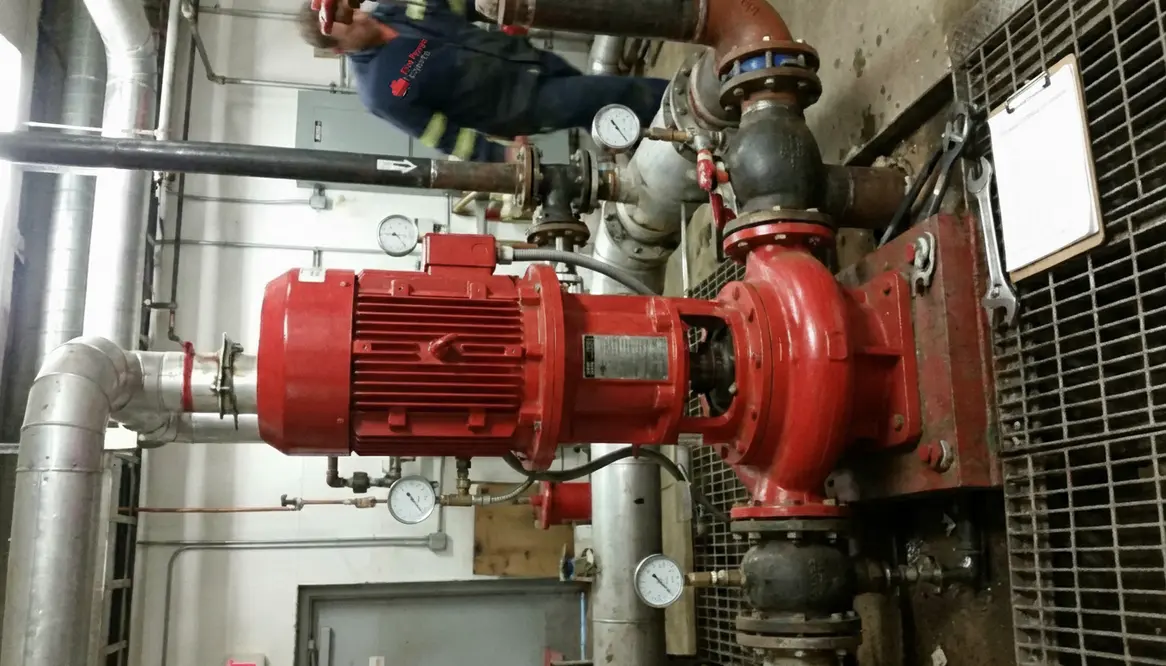
Vertical Inline Fire Pump Replacement Cost Guide
I have seen a lot of mechanical systems come and go, but few carry the quiet authority of a fire pump. It sits there, patient, like a bodyguard who never sleeps. And when it comes time to talk about vertical inline fire pump replacement cost, things can feel a bit… mysterious. Numbers vary, decisions pile up, and suddenly you are deep in a world of motors, couplings, and pressure ratings wondering how you got here. Do not worry. I will walk you through it with clarity, a steady pace, and just enough humor to keep us both awake.
Understanding Vertical Inline Fire Pump Replacement Cost
Let me say this upfront. Replacing a vertical inline fire pump is not just a swap and go situation. It is more like replacing the engine of a luxury car while it is still parked in a busy garage. Precision matters.
Typically, I see replacement costs range from $15,000 to $60,000 or more for commercial and industrial facilities. However, that range shifts based on several factors. Pump size, horsepower, and system design all play their part. Additionally, labor costs can climb depending on how accessible the equipment is. If your pump is tucked into a tight mechanical room, well, technicians may need the flexibility of a yoga instructor.
Moreover, compliance with fire codes adds another layer. You are not just replacing equipment. You are ensuring the system performs under pressure when it matters most. That is why understanding your vertical inline fire pump replacement cost in context is more important than just focusing on a single number.
What Drives the Price Higher or Lower
Now, let us break it down in a way that actually makes sense. Costs do not just appear out of thin air. They follow logic, even if it sometimes feels like they are plotting against your budget. Vertical inline fire pump replacement cost always traces back to a mix of equipment choices and installation realities.
Equipment Factors
- Pump capacity and horsepower
- Brand and manufacturer quality
- Material durability for long term use
- Motor efficiency ratings
Installation Factors
- Labor complexity and time
- Site accessibility
- Electrical upgrades
- Control panel integration
On one hand, a straightforward replacement in a well designed facility can stay on the lower end. On the other hand, older buildings often surprise you. And not in a fun, birthday cake kind of way.
How I Estimate Costs for Large Facilities
When I look at a commercial or industrial property, I do not just see a pump. I see a system that must perform flawlessly under stress. Therefore, I start with a full assessment.
First, I evaluate the existing infrastructure. If piping, valves, or controllers are outdated, replacing the pump alone may not be enough. Next, I consider downtime. In major buildings, downtime is not just inconvenient. It can disrupt operations and revenue.
Then, I factor in compliance. Fire protection standards evolve, and your new system must meet current codes. This often means upgrades beyond the pump itself. While that may increase the initial investment, it prevents costly corrections later.
And yes, sometimes I deliver the final estimate and hear silence on the other end. That is normal. Fire protection is one of those things you hope you never need, but when you do, it had better work perfectly. Keeping a realistic view of your vertical inline fire pump replacement cost helps make that silence a little less shocking.
Can You Reduce Replacement Costs Without Cutting Corners?
Short answer, yes. Long answer, yes, but you have to be smart about it.
First, plan ahead. Emergency replacements almost always cost more. When you schedule proactively, you gain control over timelines and pricing.
Second, reuse what is still in good condition. If your piping and electrical systems meet current standards, you can avoid unnecessary upgrades.
Finally, work with specialists who focus on commercial and industrial systems. This is not the place for guesswork. You want people who understand large scale fire protection inside and out.
Because let us be honest, cutting corners on a fire pump is like skipping parachute maintenance. It might save money upfront, but the long term outcome is not exactly comforting. A thoughtful strategy keeps your vertical inline fire pump replacement cost controlled without sacrificing reliability.
Vertical Inline Fire Pump Replacement Cost in Real World Projects
I have seen projects where everything goes smoothly. Clean install, minimal disruption, and a system that hums like a well tuned orchestra. Then I have seen the opposite.
In one industrial facility, what looked like a simple replacement turned into a full system overhaul. Corroded piping, outdated controls, and electrical limitations all surfaced at once. The cost doubled, but the result was a modern, reliable system built for the future.
Meanwhile, in a newer commercial building, the replacement was straightforward. The team swapped the pump, tested the system, and wrapped up ahead of schedule. Same equipment type, very different outcomes.
The lesson here is simple. Every building tells its own story. You just have to listen carefully before making decisions, especially when you are weighing your vertical inline fire pump replacement cost against long term performance.
FAQ About Fire Pump Replacement
Below are some common questions that come up when teams start digging into fire pump replacement planning and costs.
Final Thoughts and Next Steps
When I think about fire protection, I think about reliability, preparation, and peace of mind. The investment in a proper replacement is not just about equipment. It is about safeguarding people, property, and operations.
If you are considering your next move, now is the time to act. Evaluate your system, consult experienced professionals, and make a plan that fits your facility. Map out the true vertical inline fire pump replacement cost alongside risk, downtime, and long term performance so that the numbers tell a complete story.
Because when it comes to safety, waiting is the one cost you cannot afford. When you are ready to explore options or learn more about best practices, resources like https://firepumps.org can be a helpful starting point for deeper technical guidance and industry standards.