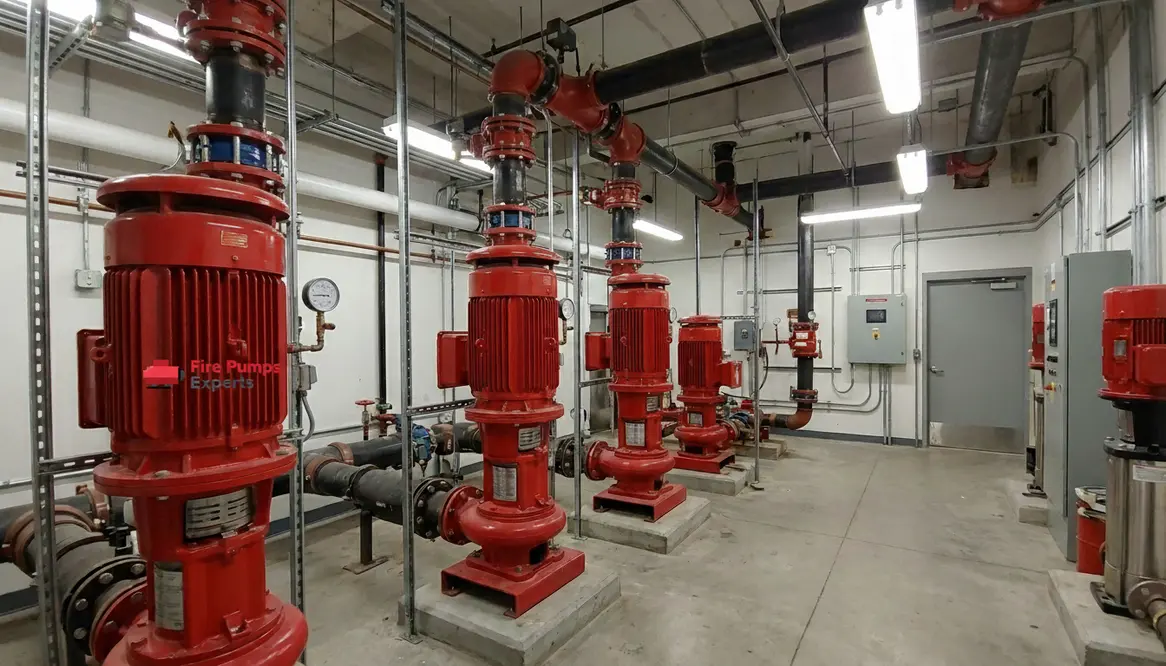
Vertical Inline Pump Fire Protection Benefits
I have spent enough time in mechanical rooms to know this: when things go wrong, they go wrong fast. That is exactly why I trust a vertical inline pump fire protection setup when the stakes are high. It stands there quietly, compact and confident, like the strong silent type in an action movie who does not need flashy entrances to save the day. In commercial and industrial facilities, where every second matters, this pump design brings both efficiency and reliability into one tight footprint. And yes, it does all that without demanding half your floor space or your patience.
What makes vertical inline pumps ideal for fire protection rooms?
I get this question a lot, and honestly, it deserves a straight answer. First, these pumps align directly with the piping system, which means I do not have to wrestle with complicated layouts. As a result, installation becomes smoother and faster.
Additionally, vertical inline pumps reduce the need for extra supports. That means less structural strain on the building and fewer headaches during planning. In large facilities, where every inch of space counts, this compact design is a game changer.
Moreover, maintenance becomes easier. I can access key components without dismantling half the system. It is the difference between a quick tune up and a full blown mechanical drama.
Core advantages in critical spaces
In busy fire pump rooms, clarity matters. A vertical inline pump fire protection arrangement keeps line of sight clear for operators, keeps components logically grouped, and keeps the overall room easier to navigate during an emergency.
How I optimize fire protection room layouts with vertical inline pump fire protection
When I walk into a fire protection room, I am not just looking at equipment. I am looking at flow, access, and future maintenance. A vertical inline pump fire protection system helps me design smarter from the start.
Space efficiency
I place pumps directly within the pipeline. This eliminates bulky offsets and opens up valuable floor space for other critical systems.
Simplified piping
Because the suction and discharge are aligned, I reduce bends and fittings. That improves flow and lowers friction loss.
Improved accessibility
I make sure valves and controls remain within reach. This keeps inspections quick and stress free.
Cleaner layouts
Let’s be honest. A well organized pump room feels like a well organized mind. Everything just works better.
And yes, there is something satisfying about walking into a room that does not look like a spaghetti bowl of pipes.
Performance that keeps large facilities protected
In commercial and industrial buildings, performance is not optional. It is expected. I rely on vertical inline pumps because they deliver consistent pressure without unnecessary complexity.
Furthermore, these pumps handle high demand scenarios with stability. Whether I am dealing with a manufacturing plant or a high rise commercial tower, I need equipment that does not hesitate when called upon.
According to fire pump system standards and guidance, reliability and proper system design are critical in large scale fire protection. That aligns perfectly with what I see in the field. A well selected inline pump system supports both compliance and performance without compromise.
Also, energy efficiency plays a role here. By reducing friction losses and optimizing flow paths, these pumps help facilities manage operational costs. That may not sound glamorous, but your budget will thank you later.
Why performance and layout go hand in hand
A vertical inline pump fire protection design is not just about pressure ratings on paper. The way the pump sits in the system, the reduced turbulence, and the smoother piping layout all contribute to more predictable performance when alarms start ringing.
Installation insights I wish more engineers followed
I have seen great installations, and I have seen ones that made me question reality. So here is what I focus on to get it right.
First, alignment is everything. Even though the design is forgiving, I make sure the piping connections are precise. This avoids vibration and long term wear.
Next, I always plan for maintenance access. It is tempting to pack equipment tightly, but future servicing matters. Trust me, no one wants to dismantle half a room just to replace a seal.
Then, I verify proper support. Even though vertical inline pumps reduce structural needs, they still require stable mounting. Skipping this step is like building a house on sand and hoping for the best.
Finally, I test thoroughly. Because when a system is meant to save lives and protect assets, guessing is not part of the process.
Mistakes that quietly hurt reliability
Crowding valves, skipping proper alignment checks, or treating a vertical inline pump fire protection system like a generic utility pump installation can all chip away at reliability. The hardware may be tough, but it still deserves thoughtful placement and commissioning.
Why I keep recommending vertical inline solutions for modern facilities
There is a reason I keep coming back to this design. It fits the demands of modern commercial and industrial properties without overcomplicating the system.
For one, scalability is built in. As facilities expand, I can integrate additional components without redesigning the entire system. That flexibility matters in industries where growth is constant.
Also, these pumps align well with automation systems. I can integrate monitoring and control features that provide real time insights. It is like having a backstage pass to your own fire protection system.
And let us not forget durability. With fewer moving parts exposed and a streamlined design, these pumps hold up under pressure. Literally.
A fit for today and tomorrow
When a facility plans for upgrades or future code changes, having a compact, aligned vertical inline pump fire protection arrangement gives more freedom to reroute, add sensors, or connect to smarter monitoring platforms without ripping the room apart.
FAQ: Quick answers for busy facility managers
Conclusion: Make the smarter move for your fire protection system
If I had to choose a system that balances performance, space efficiency, and reliability, I would not hesitate. Vertical inline pumps deliver where it matters most. They simplify design, support compliance, and stand ready when every second counts. If you are planning or upgrading a fire protection room in a commercial or industrial facility, now is the time to invest in a smarter solution that works as hard as you do.