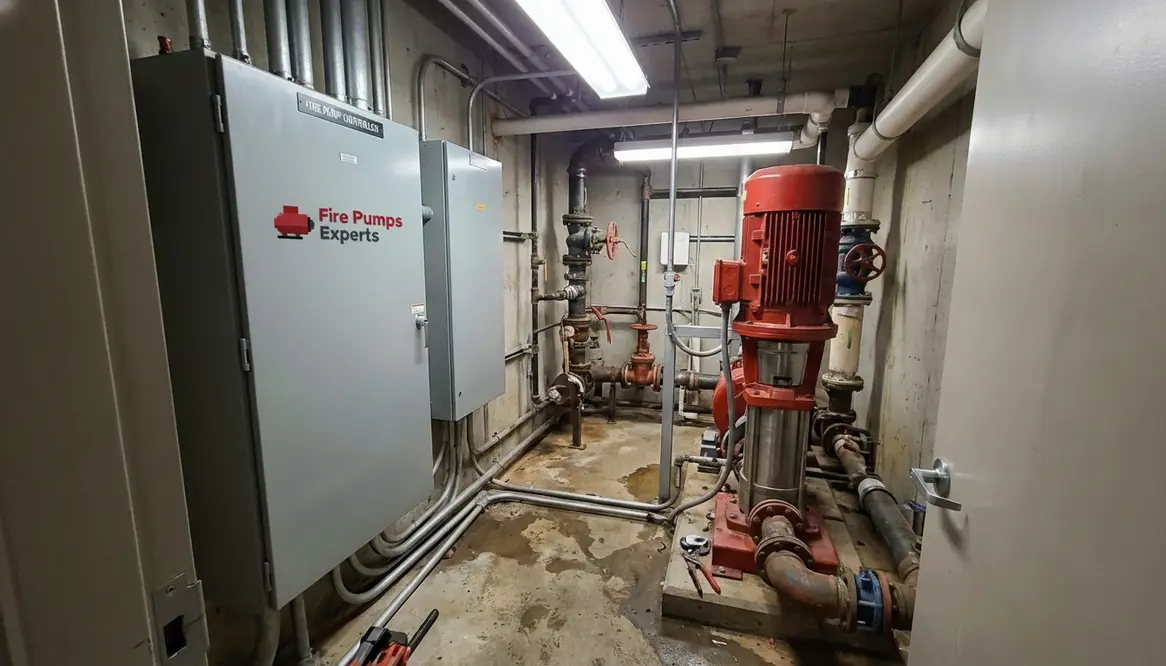
Vertical Inline Fire Pump Controller Guide
I have spent enough time around mechanical rooms to know this truth. When a fire system fails, nobody cares how sleek the design looked on paper. They care whether water moves fast and with authority. That is exactly where a vertical inline fire pump controller earns its quiet reputation. It does not shout for attention, yet it orchestrates one of the most critical responses inside commercial and industrial buildings. Today, I will walk you through what makes it tick, why it matters, and how to think about it without falling asleep halfway through.
What Does a Vertical Inline Fire Pump Controller Actually Do
At its core, this controller is the decision maker. It monitors pressure, senses demand, and tells the fire pump when to start and stop. Simple in concept, yet powerful in execution.
When pressure drops in the system, the controller reacts instantly. It sends a signal to the motor, bringing the pump to life. As a result, water flows where it is needed, whether that is a high rise stairwell or a warehouse sprinkler grid. Think of it as the conductor of an orchestra, except instead of violins, it commands horsepower.
Moreover, modern systems include alarms, diagnostics, and fail safe mechanisms. If something goes wrong, the controller does not just shrug and hope for the best. It alerts operators, logs events, and in some cases, switches to backup modes automatically. That kind of reliability is not optional in large scale facilities. It is expected.
Why Vertical Inline Fire Pump Controller Design Matters in Large Facilities
In commercial and industrial properties, space is always at a premium. That is where the vertical inline configuration shines. It stacks the pump components vertically, reducing footprint while maintaining performance.
Because of this design, installation becomes more efficient. Maintenance crews also benefit since components are easier to access compared to sprawling horizontal systems. And let us be honest, anything that saves time in a mechanical room feels like a small miracle.
In addition, the controller is tailored to match that compact efficiency. It integrates tightly with the pump, ensuring rapid response times. For facilities like data centers, hospitals, and manufacturing plants, that speed can mean the difference between minor disruption and major loss.
How Do I Know If My Fire Pump Controller Is Reliable
I look at three things right away. First, compliance. A reliable controller meets recognized standards such as those outlined by organizations like fire pump system standards and guidelines. Without that, everything else is just decoration.
Second, I check redundancy. Good controllers include backup power options and manual override capabilities. Because when automation fails, humans need a way to step in.
Third, I consider monitoring features. Modern controllers provide real time data, event logs, and remote alerts. That means facility managers can act quickly instead of discovering problems after the fact.
And yes, if the interface looks like it came from a 1990s sci fi movie, that is not necessarily a bad thing. Sometimes the old school designs are built like tanks.
Key Components That Keep the System Running Smoothly
Pressure Sensors
They detect drops in system pressure and trigger the pump response.
Motor Starters
These handle the electrical load required to bring the pump online safely.
Control Panel
This is the brain. It processes inputs and executes commands.
Alarm Systems
They notify operators of faults or abnormal conditions.
Power Supply Units
They ensure consistent energy delivery, even during outages.
Manual Controls
They allow direct human intervention when needed.
Each component plays its part. Remove one, and the system becomes less dependable. It is a bit like removing coffee from a Monday morning. Technically possible, but not recommended.
Installation and Maintenance Without the Headaches
Proper installation sets the tone for everything that follows. I always recommend working with specialists who understand large scale fire protection systems. Commercial environments are not forgiving when mistakes happen.
Once installed, routine maintenance becomes the real hero. Regular testing ensures the controller responds correctly under pressure conditions. Additionally, inspecting wiring, cleaning components, and verifying alarm functions keeps the system sharp.
It is also wise to document everything. Logs provide insight into performance trends and help identify issues before they escalate. In other words, a little paperwork today saves a lot of trouble tomorrow.
Vertical Inline Fire Pump Controller Advantages You Should Not Ignore
The benefits go beyond saving space. For starters, these controllers improve system efficiency by reducing response delays. A well tuned vertical inline fire pump controller also integrates smoothly with modern building management systems, offering centralized oversight that keeps teams informed instead of guessing.
Furthermore, their design supports scalability. As facilities expand, the system can adapt without requiring a complete overhaul. That flexibility is invaluable for growing operations, especially when multiple risers, zones, or remote areas all depend on a single vertical inline fire pump controller to call the shots under pressure.
Durability also plays a huge role. Built to handle demanding environments, these controllers are designed for long term performance. A quality vertical inline fire pump controller shrugs off heat, dust, and noise in mechanical rooms that would make office equipment cry.
They may not be glamorous, but they are dependable. And in fire protection, dependable beats flashy every single time. When that vertical inline fire pump controller finally earns its keep during an emergency, nobody is thinking about paint colors or trim pieces. They are thinking about water pressure doing exactly what it was supposed to do.
FAQ
Conclusion
When I look at fire protection systems, I see more than equipment. I see layers of safety working together to protect people, property, and operations. A well designed controller is not just a component. It is a safeguard. If you manage a commercial or industrial facility, now is the time to evaluate your system, upgrade where needed, and partner with experts who understand the stakes. Because when the moment comes, reliability is everything.