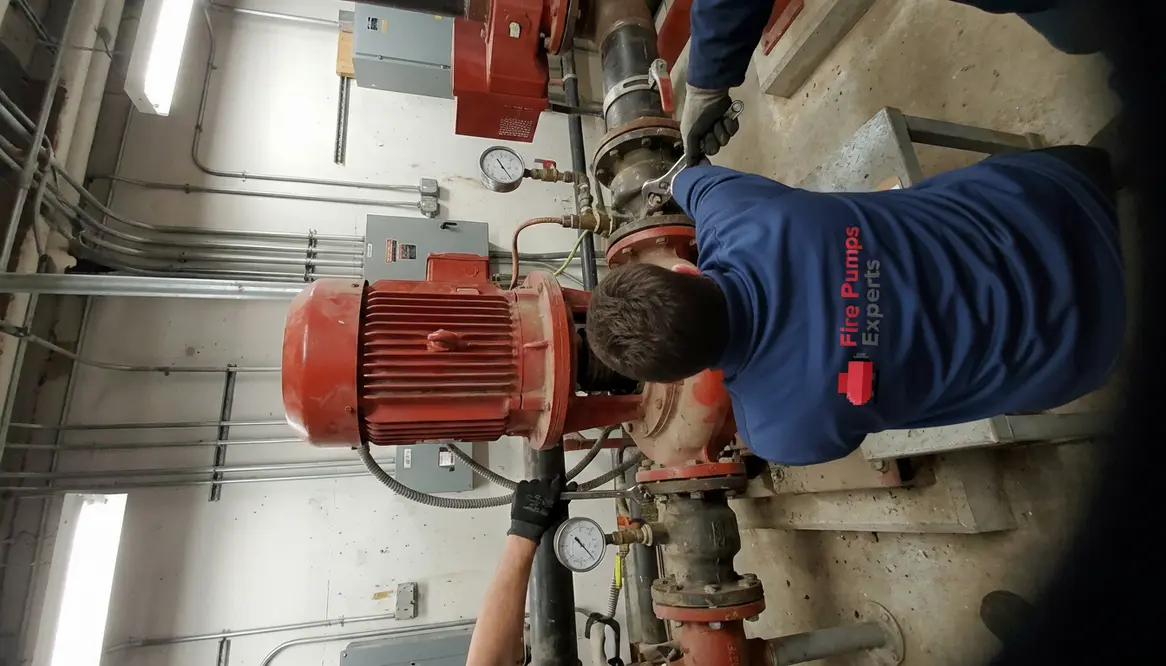
Vertical Inline Fire Pump Maintenance Guide
I have always believed that a well maintained fire pump is a quiet guardian. It sits patiently, asking for very little, until the moment everything depends on it. That is why vertical inline fire pump maintenance is not just a task on a checklist. It is a responsibility that protects people, property, and peace of mind. In large commercial and industrial facilities, where systems are complex and stakes are high, keeping these pumps in top condition is non negotiable. And yes, while it may not sound thrilling, I promise we can make this journey a little more engaging than watching paint dry.
What do I check first in vertical inline fire pump maintenance?
I always begin with the basics. It may sound simple, but simple done right prevents complicated disasters later. First, I inspect the pump casing and connections. Any visible leaks or corrosion? That is your system whispering that something is off.
Next, I check alignment. Even though vertical inline pumps are compact, misalignment can still creep in. And when it does, it behaves like that one coworker who throws off the whole team dynamic.
After that, I verify that valves are in their proper positions. A closed valve in the wrong place can render the entire system useless. In addition, I make sure gauges are readable and accurate. If your gauges are lying to you, you are basically flying blind.
Core inspection points for long term reliability
Now we move deeper. This is where vertical inline fire pump maintenance separates the amateurs from the pros. I focus on components that tend to wear quietly over time.
Mechanical components
- Inspect bearings for noise or heat
- Check coupling integrity
- Ensure proper lubrication levels
- Examine seals for wear
Electrical components
- Test motor performance
- Inspect wiring connections
- Verify control panel operation
- Check alarm systems
Meanwhile, I pay close attention to vibration. Excess vibration is like a bad movie sequel. It only gets worse if ignored. A smooth running pump tells you everything is in harmony.
How often should I service a vertical inline fire pump?
Short answer? More often than you think, but not obsessively. I follow a structured schedule because consistency beats guesswork every time.
Weekly checks include visual inspections and running the pump briefly. Monthly tasks involve more detailed testing, including flow verification and control panel checks. Quarterly, I go deeper with component inspections and performance analysis.
Annually, I conduct a full system evaluation. This includes flow testing under load conditions. If that sounds intense, it is. But this is where you truly learn if your system will perform when needed.
For facilities managers handling large scale properties, I often recommend aligning with standards outlined by professional fire pump maintenance guidelines. It keeps everything compliant and predictable.
Performance testing that actually tells the truth
Testing is where theory meets reality. I do not just flip a switch and call it a day. I simulate real demand conditions. That means verifying pressure output, flow rates, and response times.
Additionally, I monitor how quickly the pump starts. A delayed start in an emergency is like a superhero showing up after the credits roll. Not helpful.
I also track historical performance data. Trends reveal problems long before alarms do. If output begins to dip over time, I investigate immediately. Waiting only turns a minor fix into a major repair.
Common mistakes I avoid every time
I have seen enough maintenance routines to know where things go sideways. Some mistakes are surprisingly common.
- Skipping routine checks because everything “looks fine”
- Ignoring minor leaks or noises
- Failing to document maintenance activities
- Using incorrect replacement parts
However, the biggest mistake is treating maintenance as optional. In commercial and industrial environments, that mindset can lead to costly downtime or worse. Think of it like ignoring a check engine light. It never fixes itself.
Documentation and compliance keep everything accountable
I document everything. Every inspection, every test, every adjustment. Not because I enjoy paperwork, but because records tell a story. They show patterns, prove compliance, and protect your operation.
Moreover, inspectors and insurance providers expect detailed logs. When you can present clear documentation, you build trust instantly. And trust, in this context, saves both time and money.
Good documentation also helps teams stay aligned. When multiple technicians are involved, clear records prevent confusion and ensure continuity.
FAQ: Quick answers you can use right away
I have always found that the most practical insights come from direct questions about vertical inline fire pump maintenance. These quick answers cut through the noise and keep your system ready.
Conclusion: Keep your system ready, always
I see maintenance as a quiet investment in safety. When I stay consistent with inspections, testing, and documentation, I remove uncertainty from the equation. In commercial and industrial settings, that reliability matters more than anything. If you want your system to perform without hesitation, treat maintenance as essential, not optional. Start refining your approach today, and your fire protection system will stand ready when it matters most.