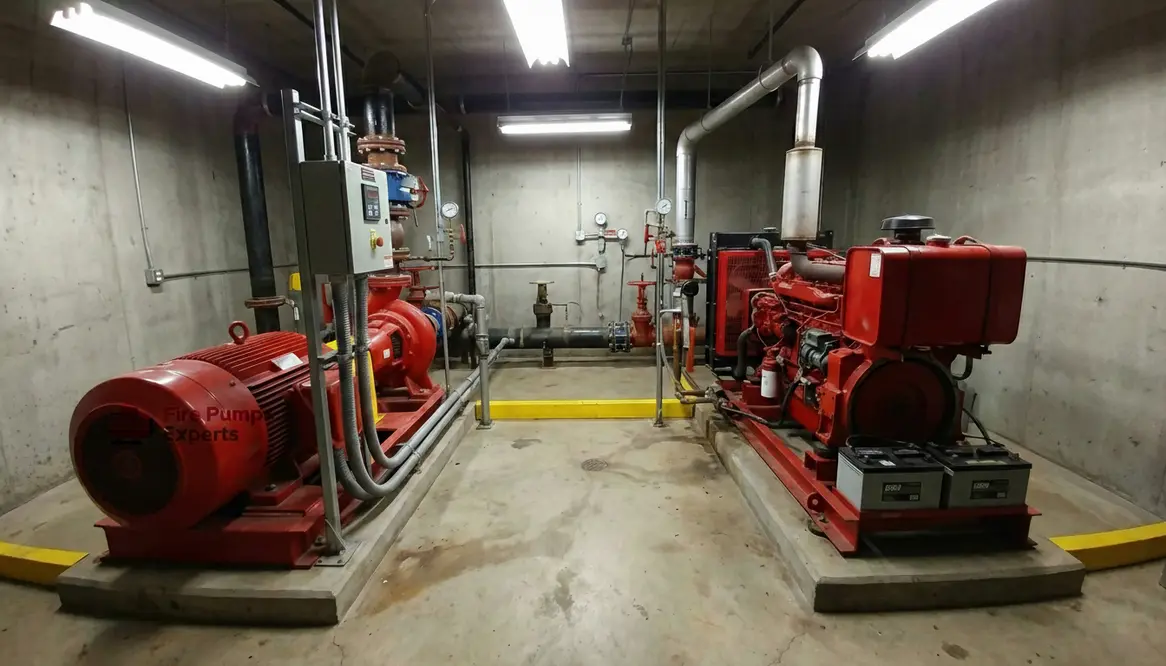
Electric vs Diesel Fire Pump Systems Compared
A practical guide for facility teams weighing performance, reliability, and long term realities when choosing between electric vs diesel fire pump systems.
I have spent years around large commercial and industrial facilities. Hospitals that never sleep. Data centers humming like a hive of bees. Distribution warehouses so big you could lose a small country in aisle seven. In all those places, one quiet hero stands ready for the worst day imaginable: the fire pump.
And sooner or later, every facility manager asks the same question about electric vs diesel fire pump systems. Which one should carry the weight when alarms sound and water must move now, not later?
It is not just a technical choice. It affects reliability, maintenance schedules, building infrastructure, and sometimes even insurance approvals. So today I will walk you through the strengths, limitations, and real world considerations of each option. Slowly, clearly, and with just enough humor to keep us awake. After all, fire protection may be serious business, but reading about pumps should not feel like watching paint dry.
Electric vs Diesel Fire Pump Systems: The Core Differences Facility Owners Should Understand
At their core, both systems do the same job. They push water through fire protection piping when pressure drops during an emergency. However, the way they generate that power is very different.
How Electric Fire Pumps Generate Power
Electric fire pumps rely on a facility’s electrical supply. A powerful motor spins the pump and pushes water through the system. If the electrical grid is stable and the building has strong infrastructure, electric pumps operate with impressive consistency.
How Diesel Fire Pumps Generate Power
Diesel driven fire pumps, on the other hand, bring their own engine to the party. They run on fuel stored onsite. When the controller senses a pressure drop, the engine roars to life and drives the pump directly.
Now here is where things get interesting.
Electric systems offer simplicity. Fewer moving parts. Cleaner operation. Less mechanical complexity. Meanwhile, diesel systems provide independence from the electrical grid. If power fails during a fire event, a diesel engine keeps running like an action movie hero walking away from an explosion.
Neither system is universally better. Instead, the right choice depends on the building, the infrastructure, and how the facility plans for worst case scenarios.
What Large Facilities Usually Ask When Comparing Fire Pump Power Sources
I often see facility teams ask something very close to this:
“For a large commercial building, should I install an electric fire pump or a diesel fire pump?”
My answer begins with context.
Infrastructure, Redundancy, And Real World Constraints
Large facilities operate complex infrastructure. Electrical redundancy, generator capacity, fuel storage regulations, and mechanical room space all influence the decision.
First, consider power reliability. If a facility has a strong electrical grid connection with backup generators, electric pumps can be extremely dependable. However, if power outages are common in the region, diesel systems may offer extra confidence.
Next comes space and ventilation. Diesel engines require exhaust routing, cooling airflow, and fuel storage. Electric pumps, meanwhile, take up less mechanical space and avoid combustion exhaust entirely.
Maintenance also plays a role. Electric motors typically require less hands on servicing. Diesel engines, however, demand regular fuel checks, cooling inspections, and mechanical upkeep. Think of it like comparing an electric car to an old school pickup truck. Both work. One simply needs more attention under the hood.
Finally, compliance matters. Certain large commercial and industrial facilities must follow strict fire protection codes that influence pump selection.
In other words, the right answer rarely fits on a bumper sticker.
Operational Reliability in Critical Commercial and Industrial Buildings
When we talk about fire protection for major facilities, reliability becomes the headline act.
Imagine a hospital campus. Or a massive logistics warehouse packed with millions of dollars in inventory. In these environments, the fire pump is not optional equipment. It is the last line of defense.
Reliability Profile Of Electric Fire Pumps
Electric pumps offer remarkable reliability when supported by stable electrical infrastructure. They start quickly, run smoothly, and avoid the vibration common in combustion engines. Additionally, they generate less heat and noise inside mechanical rooms.
However, everything depends on electrical availability. A widespread power outage during a fire event could disable the pump unless backup power systems are in place.
Reliability Profile Of Diesel Fire Pumps
Diesel fire pumps take a different approach. They assume the grid may fail. Their engines start using battery powered starters and run entirely independent of external power.
Because of that independence, many mission critical facilities choose diesel units when electrical reliability cannot be guaranteed.
Still, diesel engines bring their own personality. They need regular exercise testing, fuel quality monitoring, and mechanical inspection. Ignore those tasks and the engine might behave like an old lawn mower on the first warm day of spring. Lots of noise. Not much action.
Side by Side Considerations for Large Facility Infrastructure
When planning protection systems for commercial towers, manufacturing plants, or distribution centers, I usually break the decision into two parallel categories.
Electric Fire Pumps
- Depend on facility electrical supply
- Lower mechanical maintenance requirements
- Quieter operation inside pump rooms
- No fuel storage requirements
- Simpler ventilation and exhaust design
- Often lower long term operational complexity
Diesel Fire Pumps
- Operate independently from electrical power
- Ideal where grid reliability is uncertain
- Require fuel storage and monitoring
- Need regular mechanical testing and maintenance
- Produce exhaust and heat
- Provide redundancy when electrical backup is limited
Neither column wins outright. Instead, the correct solution emerges from the facility’s infrastructure design and risk tolerance.
When Electric vs Diesel Fire Pump Systems Make the Most Sense
Where Electric Fire Pump Systems Usually Shine
Electric systems usually shine in modern commercial campuses. Office towers, healthcare complexes, and high rise mixed use buildings often maintain robust electrical redundancy. Backup generators, dual utility feeds, and dedicated emergency circuits create a stable environment for electric fire pumps.
Because of that, these facilities benefit from the lower maintenance burden and simpler operation of electric systems.
Where Diesel Fire Pump Systems Often Lead
Diesel pumps often appear in industrial and logistics facilities. Large distribution warehouses, manufacturing plants, and remote industrial campuses sometimes sit in regions where electrical reliability varies. In those situations, diesel engines provide independence and peace of mind.
There is also a psychological element here. Facility managers like knowing the pump does not rely entirely on the grid. It is a bit like carrying a spare tire. Most days you never need it. But when you do, you are very glad it exists.
Additionally, certain properties choose both configurations through redundant pump arrangements. That layered approach creates resilience that large scale operations demand. In some critical campuses, electric vs diesel fire pump systems are installed side by side so a single failure does not take everything offline.
Long Term Maintenance and Lifecycle Planning
Fire pumps are not install and forget equipment. In commercial and industrial facilities, they must perform flawlessly after years of quiet waiting.
Maintenance Expectations For Electric Fire Pumps
Electric pumps typically involve fewer maintenance variables. Facility teams monitor electrical components, perform periodic testing, and ensure controllers remain calibrated. Overall, the service process tends to be predictable.
Maintenance Expectations For Diesel Fire Pumps
Diesel systems require a more hands on relationship.
Engines need fuel quality checks, cooling system monitoring, battery maintenance, and regular run testing. Furthermore, fuel storage systems must remain compliant with local regulations. None of this is difficult. However, it does require consistent attention.
That said, some facility teams actually prefer diesel engines because their operation feels tangible. When a diesel pump starts, you hear it. You feel the vibration. It sounds like something serious just woke up in the mechanical room. And honestly, that reassurance matters more than spreadsheets sometimes admit.
Connecting Electric vs Diesel Fire Pump Systems To Real Projects
In the field, most decisions about electric vs diesel fire pump systems come down to risk, budget, and local code. High rise offices with robust emergency generators often lean electric. Remote industrial sites with limited grid confidence lean diesel. Many owners call in specialists like Kord Fire Protection to help interpret NFPA requirements and local AHJ expectations before committing real money to infrastructure.
If you want to see what a full fire pump service program looks like in practice, take a look at the fire pump systems overview at https://kordfire.com/fire-pump/. It offers a useful picture of how inspection, testing, repair, and selection all come together over the life of your pump.
FAQ: Electric and Diesel Fire Pump Selection
Facility teams evaluating electric vs diesel fire pump systems tend to circle around the same practical questions. Here are a few of the most common.
Final Thoughts for Facility Owners and Property Managers
Choosing between electric vs diesel fire pump systems is not about picking a winner. It is about matching the pump to the building, the infrastructure, and the risks that come with operating large commercial or industrial facilities.
If you manage a major property and want guidance on system design, testing, or upgrades, the specialists at FirePumps.org can help you evaluate the right configuration for your facility and keep your fire protection systems ready for the moment they matter most.