Fire Pump Controller Function Explained for Buildings
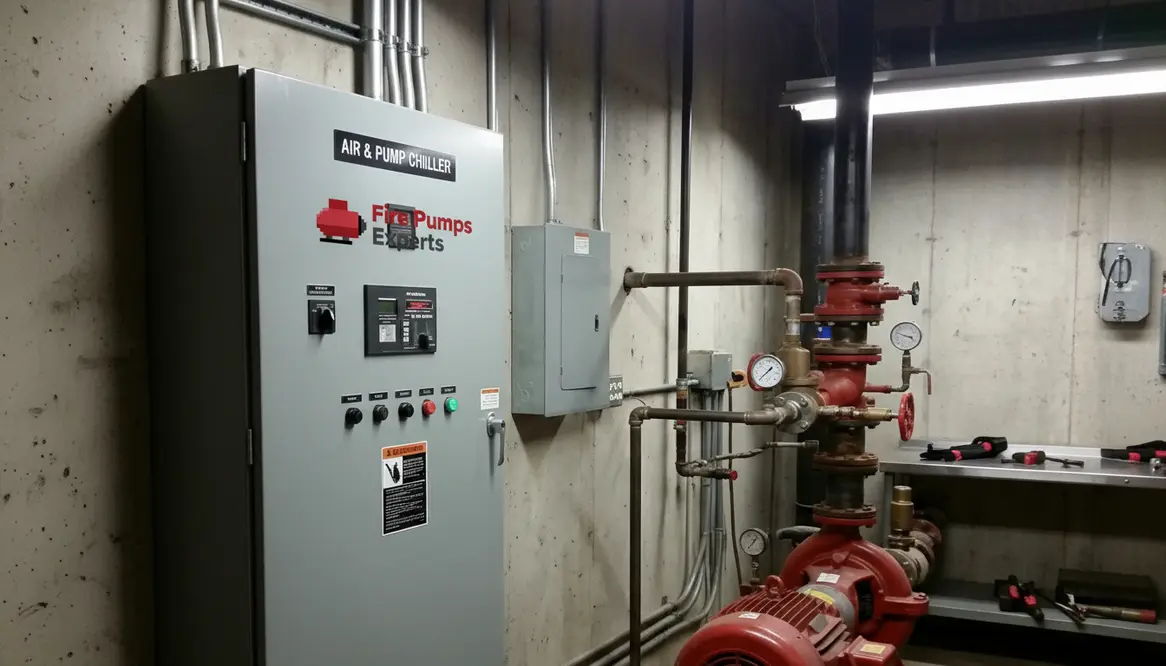
Walk with me into the mechanical room of any large commercial building. The air hums. The pipes stand like steel sentinels. And somewhere on that wall sits a box that looks simple but carries enormous responsibility. That box is the fire pump controller. Before we go any further, let me give you the fire pump controller function explained in plain language. The controller starts the fire pump when water pressure drops during a fire event and keeps the pump running until it is manually stopped. Simple idea. Massive importance. For facility managers responsible for hospitals, manufacturing plants, data centers, or high rise towers, understanding how this controller works is not just helpful. It is essential.
Over the years I have walked through many facilities where the fire protection system was treated like a mysterious black box. Press the test button once a month, hope everything works, and move on. However, when you understand the basics of how the controller operates, your entire fire protection strategy becomes clearer. And frankly, it helps you sleep better at night. Nobody wants their fire protection system acting like a character in a horror movie when it should behave more like Captain America. Reliable. Predictable. Ready when needed.
How does a fire pump controller actually work inside a commercial building?
Let us answer the question facility managers type into search engines every day. The controller monitors pressure in the fire protection piping. Under normal conditions, that pressure stays steady. However, when a sprinkler activates or a hydrant draws water, the pressure drops. The controller senses that drop immediately.
Once the pressure falls below a set point, the controller sends power to the fire pump motor. The pump then boosts water pressure throughout the sprinkler or standpipe system. As a result, the system delivers the water needed to control or suppress a fire across a large commercial property.
Here is the key point many people overlook. The controller does not stop automatically when pressure rises again. Instead, it keeps the pump running until someone manually shuts it down after the emergency. That design prevents dangerous cycling during a fire event.
Meanwhile, modern controllers monitor power supply, alarms, and system status. Many also connect to building management systems so facility teams can see alerts in real time. Think of the controller as the conductor of an orchestra. The pump is powerful, but without direction it would just make noise.
The fire pump controller function explained in one sentence
In practical terms, the fire pump controller function explained for buildings is this: sense a dangerous pressure drop, start the fire pump instantly, keep it running through the emergency, and report everything clearly to the people responsible for life safety.
Why facility managers cannot treat the controller like a forgotten electrical panel
I have seen this happen more times than I can count. A facility manager proudly shows me their building systems. HVAC looks great. Lighting is modern. Security systems look like something out of a spy movie.
Then we walk into the pump room.
Suddenly it feels like we stepped into a time capsule from 1987.
That matters because the controller is the brain of the entire fire pump system. If it fails, the pump may never start during an emergency. For commercial and industrial properties, that risk can translate into millions in damage and serious safety concerns.
Additionally, codes require regular testing and maintenance. Controllers log events, track alarms, and provide diagnostic information. When facility teams understand these features, they catch problems early. And catching problems early is far cheaper than explaining to insurance investigators why the pump never started.
Besides, nothing ruins a facility manager’s day faster than discovering the life safety system has been quietly throwing warning signals for months. The controller was practically waving a red flag like a referee in a soccer match. Someone just forgot to look.
Key components inside a fire pump controller you should recognize
When I walk facility managers through a controller cabinet, I focus on a few critical elements. Understanding these components makes troubleshooting far easier.
Pressure sensing equipment
These devices monitor the system pressure and trigger the pump start sequence when pressure drops.
Main disconnect
This switch isolates electrical power for maintenance or emergency shutdown.
Motor starter or drive
The component that delivers power to the pump motor once the controller signals a start.
Alarm indicators
Lights and audible alerts signal faults such as power failure or phase loss.
Manual start controls
Buttons or switches that allow operators to start the pump manually during testing.
Status monitoring systems
Interfaces that communicate with building management or fire alarm systems.
Knowing where these pieces live inside the cabinet helps you communicate clearly with contractors and inspectors. Instead of saying, “That blinking thing looks weird,” you can point directly to the component causing concern. Trust me, technicians appreciate that level of clarity.
The fire pump controller function explained for real world emergencies
Let me paint a quick scenario. It is 2:13 in the morning inside a distribution warehouse. A forklift battery charger overheats and sparks ignite nearby packaging. Within seconds a sprinkler head activates.
The moment water begins flowing through that sprinkler, system pressure drops. Instantly, the controller detects the change. It starts the fire pump motor and drives water through the system with enough pressure to feed sprinklers across thousands of square feet.
Meanwhile, alarms activate and the building fire system sends alerts. The pump continues running steadily until trained personnel shut it down after the incident.
This sequence happens automatically and extremely fast. In other words, there is no dramatic moment where someone sprints down a hallway yelling, “Turn on the pump!” This is not an action movie. The controller already handled it.
When you understand this process, you see why reliability matters. The controller must respond instantly and predictably during the most stressful conditions imaginable. That is the fire pump controller function explained in the language that matters most: what actually happens when your building is full of smoke, alarms, and adrenaline.
Maintenance habits that keep controllers reliable
Even the best equipment needs attention. Fortunately, maintaining a controller does not require a PhD in electrical engineering. However, it does require consistency.
First, I always verify weekly or monthly test runs depending on the facility’s inspection schedule. These tests confirm that the controller starts the pump and logs the event correctly.
Next, I check alarms and indicator lights. If something shows a fault condition, I investigate immediately rather than waiting for the next inspection cycle.
Additionally, I review event logs stored in the controller. These records reveal voltage issues, start events, or abnormal signals that might otherwise go unnoticed.
Environmental conditions also matter. Pump rooms must remain clean, dry, and properly ventilated. Electrical equipment does not enjoy humidity any more than your laptop would enjoy a swim in the pool.
Finally, I coordinate annual inspections with qualified fire protection professionals who specialize in large commercial and industrial systems. Their expertise ensures the controller meets code requirements and performs exactly as designed. If you are responsible for a complex facility, working with specialists like the fire pump team at Kord Fire Protection can make your fire pump controller function explained in your maintenance logs instead of in a post-incident report.
FAQ about fire pump controllers
Keeping your fire protection system ready when it matters
Understanding the controller is one of the smartest moves a facility manager can make. When you know how this critical equipment works, inspections become clearer, maintenance becomes easier, and your building becomes safer. The fire pump controller function explained throughout this guide comes down to one mission: making sure water gets where it needs to go, at the right pressure, without hesitation.
So walk into that pump room with confidence. Learn the components, review the event logs, and schedule consistent testing. If your commercial or industrial property needs expert guidance, testing, or upgrades, connect with specialists who work with fire pump systems every day. A reliable controller today could be the reason your building stands strong tomorrow, and the fire pump controller function explained in training sessions now could become the quiet hero of a future emergency.