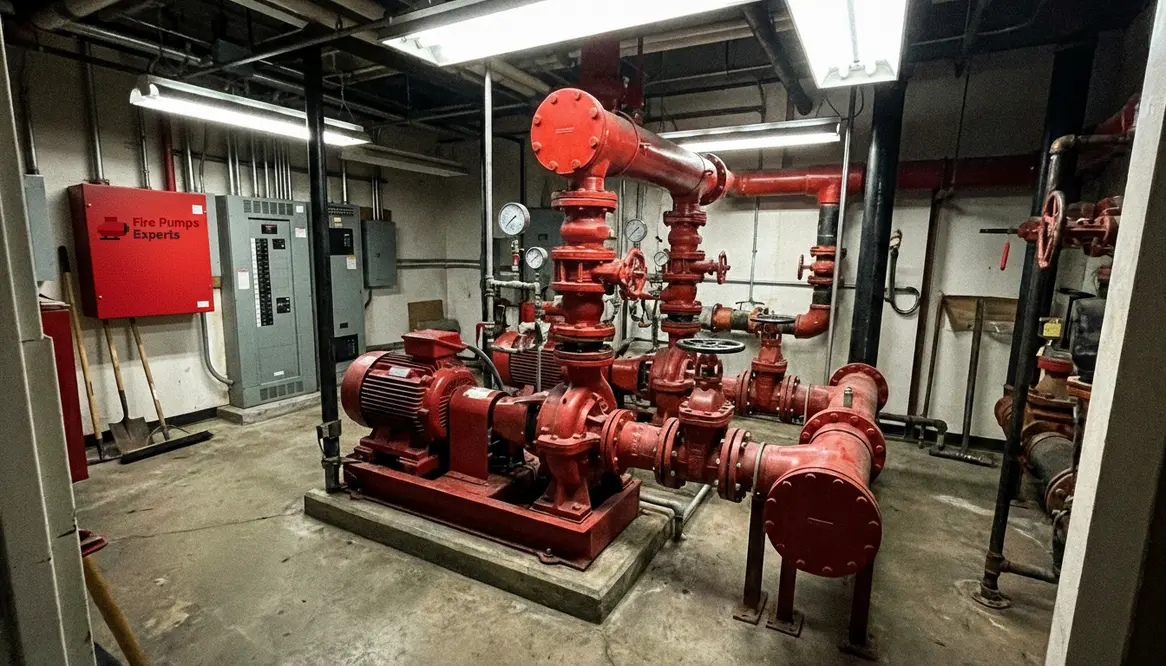
Fire Pump Role in Fire Suppression Systems Explained
I have walked through many mechanical rooms in my career. Some hum quietly. Others roar like a subway station at rush hour. Yet in almost every serious commercial building, one machine stands ready in silence until the moment chaos arrives. That machine reveals the fire pump role in fire suppression systems. When water pressure from the city cannot keep up with a serious blaze, the fire pump becomes the muscle behind the sprinkler system. It pushes water through miles of pipe, up dozens of floors, and into sprinklers exactly when the building needs it most. In large industrial plants, hospitals, data centers, and high rise properties, this pump is not just equipment. It is the difference between a controlled incident and the kind of fire scene that ends up on the evening news.
Understanding the Fire Pump Role in Fire Suppression Systems
Let me paint a simple picture. Imagine a skyscraper with 40 floors. Water coming from the municipal supply might arrive with decent pressure at street level. However, once that water climbs floor after floor, gravity starts winning the fight. The result is pressure that simply cannot power a full sprinkler response during a fire.
This is where the fire pump role in fire suppression systems becomes critical. The pump increases water pressure and flow so that sprinklers, standpipes, and hose connections perform exactly as designed. Without that pressure boost, a sprinkler head might release water that looks more like a garden trickle than a life saving spray.
In commercial and industrial properties, fire pumps connect directly to the building’s fire protection network. They activate automatically when the system senses a drop in pressure. In other words, the moment a sprinkler opens or a firefighter connects a hose, the pump wakes up and goes to work.
Think of it like the backup singer in a rock band. You may not notice them at first. But when the chorus hits, suddenly they carry the whole performance. And yes, in a fire emergency, this particular backup singer belts like a stadium headliner.
At a Glance: Why Fire Pumps Matter
- Boost water pressure when city supply falls short.
- Ensure sprinklers and standpipes work on upper floors.
- Support long pipe runs in large warehouses and plants.
- Activate automatically when system pressure drops.
- Turn a potential disaster into a contained incident.
In short, the fire pump role in fire suppression systems is to provide the muscle your sprinklers and standpipes need when fire turns theoretical design into a very real test.
Why Large Commercial Buildings Depend on Fire Pumps
Commercial properties operate on a different scale than residential spaces. Large warehouses, manufacturing facilities, hospitals, airports, and high rise towers contain massive floor areas and complex layouts. Consequently, they require a fire suppression system capable of delivering water across long distances and vertical heights.
Fire pumps solve three major challenges in these environments.
Pressure limitations
City water systems rarely provide enough pressure to protect large buildings fully. A pump ensures that every sprinkler head receives the water force required to control a fire.
High rise elevation
Water loses pressure as it climbs. In tall structures, a pump compensates for this loss and maintains consistent flow throughout the building.
Large hazard areas
Industrial facilities often contain combustible materials or specialized hazards. These risks demand higher water flow rates that only a dedicated pump system can deliver.
Furthermore, building codes and insurance requirements often mandate fire pumps in structures above certain heights or hazard classifications. Insurers understand something very simple. When suppression systems work quickly, property loss drops dramatically.
And let’s be honest. Insurance companies are not known for giving discounts unless the math makes sense.
How Fire Pumps Actually Work During a Fire Event
I often hear people assume that fire pumps spray water directly onto flames. That image feels dramatic, but it is not how the system works.
Instead, the pump supports the entire fire protection network behind the scenes. Once system pressure drops below a set threshold, the pump controller activates the motor automatically.
Detection and pressure drop
A sprinkler head opens when heat reaches its trigger temperature. Water begins to flow, which reduces pressure inside the piping network.
Pump activation
The controller senses that pressure drop. Within seconds, the pump starts and begins boosting water pressure.
Water acceleration
The pump pulls water from a supply source such as a municipal line, storage tank, or reservoir.
System distribution
Pressurized water travels through the building to feed sprinklers and standpipes exactly where needed.
Meanwhile, firefighters entering the building can connect hoses to standpipe outlets. Because the pump maintains pressure, those hoses deliver powerful streams even on upper floors.
Without this mechanical support, suppression systems might struggle at the worst possible moment. In firefighting, seconds matter. Pressure matters too.
Choosing the Right Pump for Industrial and Commercial Protection
Not all fire pumps are created equal. In fact, selecting the correct configuration requires careful engineering and knowledge of the building’s hazard profile.
For large facilities, several pump types appear most often.
Horizontal split case pumps
These pumps handle high flow rates efficiently. Engineers frequently install them in industrial plants, warehouses, and large campuses.
Vertical turbine pumps
Facilities that rely on underground tanks or lakes often use these pumps. Their design pulls water from deep sources with impressive reliability.
Inline pumps
These units fit well in mechanical rooms with limited space. Many commercial buildings use them when flow requirements are moderate.
Additionally, pump drivers can vary. Electric motors remain common in cities with stable power infrastructure. Diesel driven pumps, however, provide a critical backup when electrical service fails during a fire.
Yes, diesel engines inside pump rooms can look a little intimidating. They resemble something Vin Diesel might drive in a Fast and Furious sequel. Fortunately, they serve a far more responsible purpose.
If you want a deeper look at the service side of these systems, Kord Fire offers a helpful overview of inspections, testing, and maintenance at https://kordfire.com/fire-pump/, which pairs well with understanding the fire pump role in fire suppression systems for real-world buildings.
What Happens When a Fire Pump Is Not Properly Maintained
Here is a truth many facility managers learn the hard way. A fire pump that sits quietly for years without testing can become unreliable. Mechanical equipment demands attention, even when it rarely runs.
Regular inspection and testing ensure the pump performs exactly when needed. Codes and standards require weekly or monthly churn tests, annual flow testing, and routine controller checks.
Delayed startup
If controllers or sensors malfunction, the pump may not activate quickly during a fire event.
Mechanical failure
Worn bearings, damaged seals, or clogged components can reduce performance.
Insufficient pressure output
A poorly maintained pump may fail to reach the required pressure curve, leaving upper floors vulnerable.
Consequently, facility teams treat pump maintenance as mission critical. Hospitals, data centers, and manufacturing plants especially understand the stakes. Downtime during a fire emergency is simply unacceptable.
And if you think about it, fire pumps are like parachutes. You may never use one. But if the moment arrives, you definitely want it working.
The Strategic Fire Pump Role in Fire Suppression Systems for Major Properties
Large commercial and industrial buildings represent enormous investments. They also house critical operations, equipment, and personnel. Because of this, the fire pump role in fire suppression systems extends far beyond basic code compliance.
Strategically designed pump systems protect business continuity. They allow fire suppression systems to control incidents quickly, reducing operational shutdowns and limiting structural damage.
Moreover, modern building designs push fire protection systems to their limits. Massive distribution centers, automated manufacturing lines, and high density storage environments all require reliable water delivery.
Engineers therefore integrate pumps carefully into the overall suppression strategy. They evaluate hydraulic calculations, system demand curves, water supply reliability, and backup power requirements.
The goal is simple. When a fire begins, the system responds immediately with enough force to control the situation before it grows.
Quiet preparation. Powerful response. That is the essence of a well designed fire pump installation, and it captures why the fire pump role in fire suppression systems sits at the very center of serious life safety planning for major properties.
FAQ
Conclusion
Every commercial facility depends on systems that work quietly in the background until the moment they are needed most. Fire pumps sit at the center of that protection strategy. If you manage a large property, hospital, plant, or high rise, investing in proper design, testing, and maintenance keeps your suppression system ready when seconds matter. The fire pump role in fire suppression systems is not a theoretical idea; it shows up in whether sprinklers and standpipes have the strength to do their job when smoke, heat, and confusion all arrive at once. Connect with experienced fire pump specialists who understand complex facilities and ensure your building stays protected long before smoke ever appears.