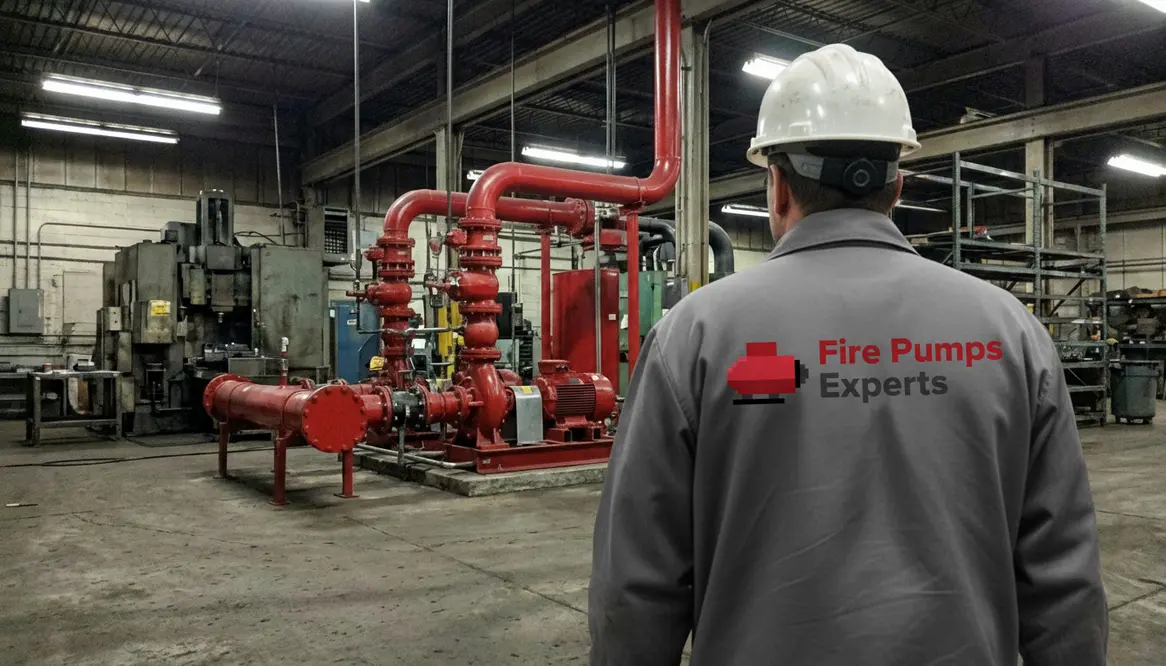
Detroit Manufacturing Fire Pump Requirements Guide
I spend a lot of time walking factory floors in Detroit. The hum of machines, the smell of hot steel, forklifts gliding past like determined little tanks. It is the rhythm of industry. Yet behind that rhythm sits something less glamorous but absolutely critical. Fire protection. And right at the heart of that system are fire pumps designed to meet detroit manufacturing fire pump requirements. In large industrial zones, water pressure alone rarely carries the load. So a properly engineered pump system steps in, delivering the muscle needed to protect equipment, workers, and entire production lines. Today I want to walk through how these systems work, why they matter in Detroit manufacturing facilities, and how to get them right without losing sleep or your insurance coverage.
Why Detroit Manufacturing Plants Need High Performance Fire Pump Systems
Detroit factories are not exactly quiet little office buildings with a coffee maker and a printer. They house stamping presses, welding robots, chemical storage, high voltage equipment, and sometimes enough heat to make a dragon reconsider its life choices.
Because of that, fire protection systems must respond fast and deliver water with force. Municipal pressure alone often cannot meet the demands of large sprinkler networks in sprawling manufacturing plants. This is where industrial fire pumps step in.
First, these pumps boost water pressure so sprinklers discharge at the correct density. Second, they maintain consistent flow across huge pipe networks that can stretch across multiple buildings. Finally, they provide redundancy. In other words, when seconds count, the pump does not hesitate.
Additionally, Detroit industrial zones often feature older infrastructure mixed with modern manufacturing expansions. That blend makes hydraulic design tricky. A well sized pump ensures the entire fire suppression system performs as intended under worst case conditions.
And yes, I know what you are thinking. “It is just a pump.”
But in the world of industrial protection, that pump is basically the bouncer at the nightclub of your facility. When trouble shows up, it decides who gets in and who gets shut down.
Understanding Detroit Manufacturing Fire Pump Requirements for Industrial Facilities
Manufacturing plants in Detroit operate under strict fire protection expectations. Local codes align closely with national standards such as NFPA guidelines, but the industrial environment adds layers of complexity.
These detroit manufacturing fire pump requirements focus on reliability, capacity, and integration with larger fire suppression networks.
Several elements matter immediately.
Pump Capacity
Industrial sprinkler systems often require thousands of gallons per minute. The pump must deliver that flow without pressure drop.
Redundant Power
Electric pumps often pair with diesel backups. If one fails, the other keeps water moving.
Controller Systems
Advanced controllers monitor pressure levels and start the pump automatically during fire events.
Dedicated Pump Rooms
Large facilities typically house pumps in fire rated rooms designed for safe access and maintenance.
Water Supply Stability
Industrial tanks or municipal connections must maintain enough volume for extended fire suppression operations.
Testing and Certification
Annual performance tests confirm the system delivers the pressure engineers promised. For more detail on inspection and testing schedules, facilities can review resources like the fire pump service guidance from Kord Fire at https://kordfire.com/fire-pump/.
Together, these factors create a system that stands ready every minute of the day. Fire pumps do not get coffee breaks. They simply wait patiently until called into action.
How Do Fire Pump Systems Work Inside Large Manufacturing Facilities?
People sometimes imagine fire pumps as complicated mechanical beasts. In truth, the concept is simple. A fire pump takes incoming water and boosts the pressure so sprinkler systems and hydrants receive the flow they need.
However, inside a Detroit manufacturing plant, the setup becomes more sophisticated.
From Detection To Full System Response
First, pressure sensors constantly monitor the sprinkler piping network. When pressure drops below a set threshold, the controller immediately starts the pump. Within seconds, water surges through the system.
Next, the pump maintains a steady pressure level across the facility. This ensures every sprinkler head activates properly. In massive plants with hundreds or even thousands of sprinkler heads, consistent pressure is essential.
Furthermore, industrial fire pumps must handle demanding conditions. Dust, vibration, temperature swings, and long operational cycles all challenge equipment durability.
Pump Types Commonly Used In Detroit Manufacturing
Because of that, designers typically use horizontal split case pumps or vertical turbine pumps. These designs deliver strong flow rates and long term reliability.
Meanwhile, the entire system integrates with alarms, monitoring equipment, and emergency protocols. So when a pump starts, the facility knows instantly.
Think of it like an always-on digital guardian in the background. Quiet, constantly monitoring conditions, then suddenly very active when something goes sideways.
Smart Fire Pump Design for Detroit Industrial Zones
Detroit manufacturing campuses are rarely small. Some facilities stretch across several acres with multiple buildings and specialized production lines.
Therefore, fire pump systems must support more than a single sprinkler network. They often supply water to multiple suppression systems simultaneously.
Hydraulic Planning And System Sizing
Smart design begins with hydraulic calculations. Engineers analyze pipe length, sprinkler density, elevation changes, and worst case fire scenarios. Only then do they determine the correct pump size that satisfies detroit manufacturing fire pump requirements without overspending on unnecessary capacity.
Locating The Pump Room
Additionally, industrial fire pump installations require careful placement. Pump rooms must remain accessible for service teams while staying protected from flooding, freezing temperatures, or accidental damage.
Power Reliability And Redundancy
Another important factor involves power reliability. Manufacturing facilities cannot afford a pump that fails during an outage. As a result, diesel driven pumps often serve as backup units when electrical systems shut down.
Designing For Detroit Weather And Future Growth
Moreover, Detroit’s climate introduces its own challenges. Winter temperatures demand insulated pump rooms and protected suction lines. Frozen pipes may work great in a snow sculpture contest. In a fire protection system, not so much.
Proper planning also considers future plant expansion. If a facility grows, the fire pump system should still handle increased demand without requiring a full replacement.
In other words, good design today prevents very expensive headaches tomorrow.
Maintenance and Testing for Detroit Manufacturing Fire Pump Requirements
Even the best fire pump will fail if nobody checks on it. Like a classic car sitting in a garage, it needs regular attention to stay ready.
Routine inspection and testing keep industrial systems aligned with detroit manufacturing fire pump requirements and national safety standards.
Weekly And Monthly Attention
Weekly checks usually include controller status, pump room conditions, and gauge readings. These quick inspections confirm everything remains ready.
Monthly tests run the pump briefly to verify proper startup. Operators watch for pressure stability and unusual vibrations.
Annual Performance Testing
Then comes the big annual performance test. During this evaluation, technicians measure flow and pressure at multiple points across the pump curve. The results confirm whether the system still performs at full capacity.
Additionally, experienced service teams examine valves, controllers, and power supplies during these visits. Industrial environments can be rough on equipment, so catching small issues early prevents costly shutdowns later.
I like to say maintenance is the gym membership for fire pumps. Skip it long enough, and suddenly nothing works the way it should. For Detroit manufacturers, staying current with testing is one of the most practical ways to prove that detroit manufacturing fire pump requirements are being taken seriously by ownership and management.
FAQ About Fire Pump Systems for Detroit Manufacturing Facilities
The most common questions from plant managers and safety teams usually cluster around sizing, power type, testing schedules, system layout, and how all of that ties back to detroit manufacturing fire pump requirements. The answers below focus on those fundamentals.
Protecting Detroit Manufacturing Facilities Starts With the Right Fire Pump System
Manufacturing plants run on precision, power, and constant motion. Yet none of that matters if a fire protection system cannot respond instantly. A properly engineered fire pump delivers the pressure and reliability industrial facilities demand.
When fire protection teams understand how detroit manufacturing fire pump requirements interact with codes, insurance expectations, and real world production needs, they can design systems that stay reliable on the worst day a facility might face.
If your Detroit facility needs guidance on fire pump design, upgrades, or compliance, connect with specialists who focus on large commercial and industrial properties. The right system protects your people, your production, and the future of your operation.