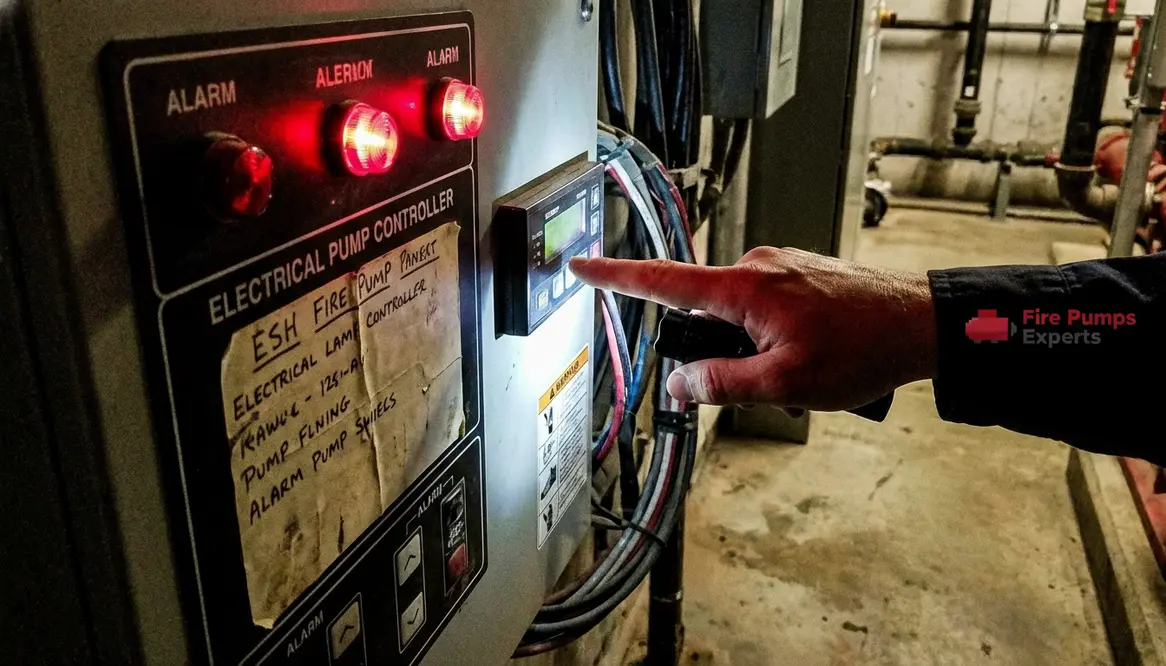
Fire Pump Controller Alarms and Transfers Indianapolis
I have spent a fair share of long mornings in mechanical rooms across Indianapolis, listening to the quiet hum of equipment that most people never think about. Yet when a fire pump controller starts flashing alarms or refuses to transfer power the room suddenly feels a lot less calm. That is where electric fire pump controller troubleshooting indianapolis alarms transfers becomes more than a technical phrase. It becomes the difference between a system that protects a high rise, hospital campus, or industrial facility and one that sits there blinking like a confused robot from a 1980s sci fi movie.
In large commercial and industrial buildings the fire pump controller is the brain of the protection system. When alarms show up or the controller struggles with power transfers, the whole operation deserves careful attention. So today I will walk you through how I approach these issues in major facilities across Indianapolis. Think of it as a calm tour through a complex machine. And yes, we will keep things practical. After all, even serious life safety equipment deserves the occasional light moment.
Understanding Electric Fire Pump Controller Troubleshooting Indianapolis Alarms Transfers
First things first. When I arrive at a property and see alarms on a fire pump controller, I do not panic. Instead, I slow down and read the system like a story. Every alarm, indicator, and event log tells me something about what the controller experienced.
In large commercial buildings the controller constantly monitors voltage, pump status, and power supply conditions. Therefore alarms typically fall into a few categories.
Electrical related alarms
- Phase loss
- Voltage imbalance
- Overcurrent conditions
- Power supply interruptions
Operational alarms
- Failure to start
- Pump running unexpectedly
- Controller trouble signals
- Transfer switch faults
However the trick is not simply identifying the alarm. The real skill is understanding why it appeared.
For example, a voltage alarm might come from a utility fluctuation. On the other hand, it could point to loose connections inside the controller cabinet. Both trigger the same alert, yet the fix is very different.
That is why I always start with the event history. Modern controllers log sequences with timestamps. Reading that log is like watching security camera footage of the electrical system. It shows me exactly what happened before the alarm. And sometimes the answer jumps out so clearly it feels like the controller is saying, “Hey buddy, check the incoming power.”
Why Transfer Problems Happen in Large Facilities
Now let us talk about transfers. If alarms are the warning lights, transfer issues are the moments when the system tries to change power sources and stumbles.
In many commercial properties across Indianapolis the electric fire pump controller works alongside an automatic transfer switch. During a power disruption the system must shift from normal utility power to an emergency source. That switch must happen quickly and smoothly.
However several things can interfere with that process.
Utility instability
Sometimes the power from the grid flickers or drops just long enough to confuse the controller logic. The system tries to transfer but the voltage returns halfway through the process. The result is a controller that looks indecisive. It is not broken. It simply reacted to messy power conditions.
Mechanical wear in transfer equipment
Large transfer switches operate with heavy contact mechanisms. Over years of service those contacts can wear or move slower than intended. Consequently the controller sees a delay and raises an alarm.
Control wiring problems
This one shows up more often than people expect. A single loose control wire can interrupt the signal that tells the pump which power source to use. The system might attempt a transfer but never receive confirmation.
And yes, when that happens the controller starts beeping like a smoke detector begging for a new battery. Except this one costs considerably more than nine dollars.
What alarms usually reveal inside a commercial fire pump system
When property managers ask me what alarms really mean, I tell them something simple. An alarm is rarely the problem itself. It is the messenger.
For instance, I once worked in a large manufacturing facility on the north side of Indianapolis where the controller repeatedly signaled a phase imbalance alarm. At first glance the controller looked guilty. However after a deeper inspection we traced the issue to a deteriorating connection in the upstream distribution panel.
In other words, the fire pump controller was doing its job perfectly. It was simply reporting that something outside its cabinet had gone sideways.
This is why thorough electric fire pump controller troubleshooting indianapolis alarms transfers always includes examining the surrounding electrical environment.
A simple sequence that keeps alarms honest
- Review the controller event log
- Verify incoming voltage across all phases
- Inspect transfer switch operation
- Check control circuit continuity
- Confirm pump motor response
Each step narrows the search. And step by step the real cause reveals itself. There is a quiet satisfaction when the puzzle finally clicks into place. It is not quite Sherlock Holmes dramatic, but in a mechanical room at 6 AM it feels pretty close.
Electric Fire Pump Controller Troubleshooting Indianapolis Alarms Transfers in Complex Buildings
Large facilities bring their own special flavor of complexity. Hospitals, distribution centers, and multi tower commercial properties often have layered electrical systems that would make a power engineer smile proudly.
Because of that complexity I always approach troubleshooting with a wider perspective.
Start with the power architecture
First, I evaluate the facility power architecture. Some properties use multiple utility feeds or large emergency generator systems. Therefore an alarm during a transfer might actually originate several steps upstream from the fire pump controller.
Watch the controller work in real time
Next, I observe the controller during a test cycle. Watching the system start, run, and transfer power in real time tells me far more than static readings alone. Equipment behavior under load often exposes hidden issues.
Check how devices communicate
Then I examine communication between devices. Modern controllers integrate with building management systems and fire alarm networks. If those signals interfere or conflict, the controller may react in unexpected ways.
It reminds me a bit of an orchestra. The fire pump controller might be the conductor, but if the brass section shows up two beats late the whole performance sounds off.
Fortunately when troubleshooting happens methodically, the system usually returns to proper operation without drama. And that is exactly what facility managers want. Quiet reliability. It also pairs well with standards based inspection work, whether you are looking at NFPA 20 guidance or leaning on outside partners such as the team at Kord Fire Protection who live and breathe fire pump system compliance.
How I prevent recurring alarms and failed transfers
Fixing a problem is good. Preventing the next one is better.
After resolving an alarm or transfer fault I always look for ways to strengthen system reliability. In major commercial buildings that often means tightening the inspection process around the controller and its supporting equipment.
I focus on a few priorities.
- Routine voltage verification at the controller line terminals
- Scheduled transfer switch exercise testing
- Inspection of control wiring and terminal connections
- Thermal scanning of electrical components
- Review of controller event history during inspections
These checks help detect problems long before alarms start screaming across the panel. Think of it like regular oil changes for a truck that carries priceless cargo. Except in this case the cargo is the safety of an entire building.
And frankly, building owners appreciate prevention. Nobody enjoys emergency troubleshooting at two in the morning while standing next to a pump motor the size of a small refrigerator.
When you build your program around thoughtful electric fire pump controller troubleshooting indianapolis alarms transfers instead of last minute repairs, those 2 AM calls get replaced with calm scheduled walk throughs and predictable test results.
FAQ About Fire Pump Controller Alarms and Transfers
The same questions tend to pop up across Indianapolis when people start talking about electric fire pump controller troubleshooting indianapolis alarms transfers and what those blinking lights really mean for day to day operations.
Keeping Indianapolis Facilities Protected
When alarms appear or transfers misbehave, the answer is not guesswork. Careful inspection and experienced analysis bring the system back to reliable service. If your facility is facing controller alarms or transfer issues, it is time to address them before they become larger risks.
Work with specialists who understand commercial fire pump systems inside and out and keep your building protection ready when it matters most. With disciplined electric fire pump controller troubleshooting indianapolis alarms transfers woven into your maintenance program, those quiet mornings in the mechanical room can stay exactly that: quiet, steady, and ready for whatever comes next.