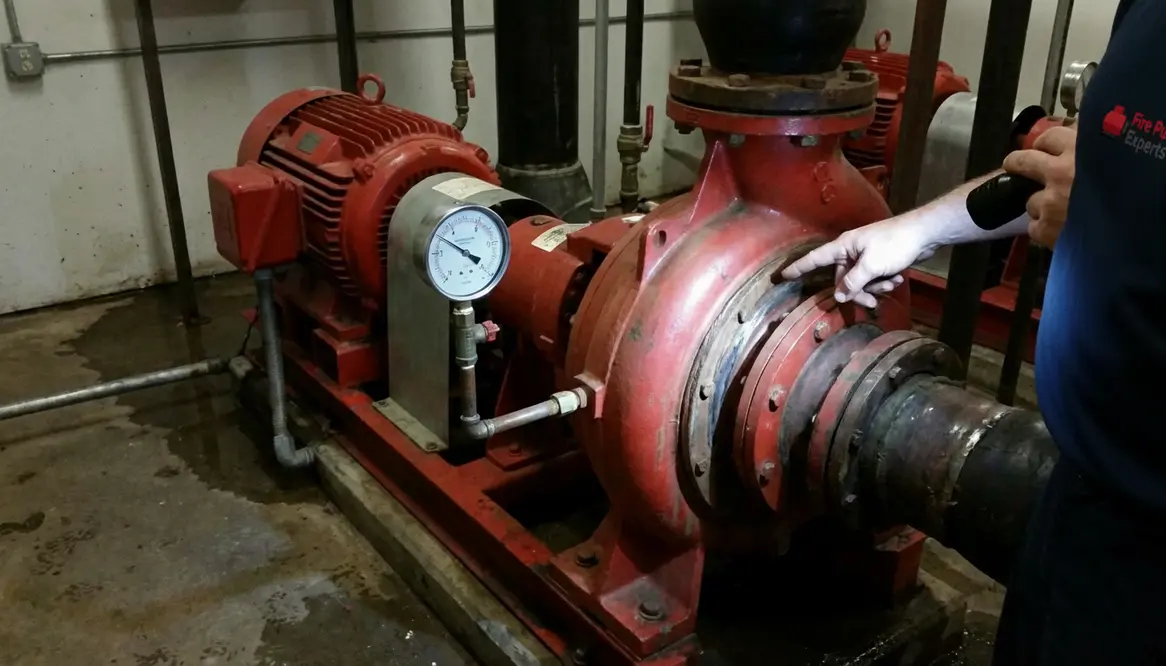
Fire Pump Repair Charlotte Suction Air Cavitation Signs
I have spent a good portion of my career standing in mechanical rooms that hum like a low jazz bass line. Pumps spinning, gauges twitching, and somewhere in the background a facility manager hoping nothing goes wrong during the next inspection. In a city full of hospitals, high rise offices, manufacturing plants, and data centers, reliable fire protection is not optional. It is the quiet guardian of every floor and every hallway.
That is why I often get called in for fire pump repair Charlotte suction air cavitation symptoms. Those words may sound like something out of a mechanical horror movie, but they simply describe a pump that is struggling to do its job. And when a fire pump struggles, the entire protection system feels it.
So today I am going to walk through how I diagnose these issues in large commercial and industrial facilities. No confusing jargon. No engineering lectures that require three cups of coffee. Just the real world process I follow when a pump starts acting like it skipped leg day at the gym.
What Happens When a Fire Pump Begins to Struggle
First, let me set the scene. A healthy fire pump is surprisingly calm. The motor starts, water moves smoothly, and pressure builds like a confident baritone note in a choir.
However, when something goes wrong in the suction line or inside the pump casing, the sound changes. Suddenly you hear rattling, vibration, or a strange gravel like noise. If pumps had personalities, this would be the mechanical equivalent of someone clearing their throat during a quiet movie scene.
In large commercial systems, these symptoms usually appear as:
- Unstable pressure readings
- Vibration through the pump base
- Loss of flow capacity
- Noise that sounds like marbles rolling inside the pump
- Intermittent air bursts through discharge lines
Now here is the important part. These signs rarely appear randomly. Instead, they point toward one of three root problems. Suction issues. Air intrusion. Or cavitation.
Each one leaves its own fingerprint. My job during a repair visit is to read those fingerprints before the pump turns a small problem into a very expensive paperweight.
Diagnosing Suction Problems in Commercial Fire Pump Systems
The suction side of a fire pump is where the story begins. Water enters the pump here, and if this entry point struggles, everything downstream follows.
When I arrive at a facility in Charlotte, the first thing I examine is the suction pressure. Fire pumps depend on a steady water supply from tanks, reservoirs, or municipal mains. If that supply gets restricted, the pump begins working harder than it should.
Several things commonly create suction problems in large buildings.
- Partially closed valves
- Clogged strainers
- Pipe scale buildup in older industrial systems
- Undersized suction piping from older retrofits
However, the real clue appears in the pressure gauge behavior. If suction pressure drops sharply when the pump starts, the system is essentially starving the pump of water.
Imagine trying to drink a milkshake through one of those tiny coffee stir straws. Technically possible. But not a great long term strategy.
In manufacturing plants and large campuses, suction restrictions often develop slowly. Over time, debris, corrosion, or maintenance oversights quietly reduce flow capacity. Eventually the pump complains loud enough that someone calls me.
Fortunately, when caught early, suction related repairs are usually straightforward. Clear the obstruction, correct the piping issue, and the pump returns to its calm, confident rhythm.
Why Air in the Pump System Causes Serious Performance Loss
Now let us talk about air. Water pumps love water. They are not big fans of air bubbles crashing the party.
Air enters fire pump systems more often than people realize, especially in large commercial facilities with complex piping networks. Even a small air leak can create performance problems that look suspiciously like mechanical failure.
When I investigate air intrusion, I typically focus on several areas.
- Suction pipe joints
- Mechanical seals
- Tank level issues
- Improper priming during testing
Once air enters the pump casing, it disrupts the steady flow of water through the impeller. Pressure drops. Flow becomes erratic. And the pump begins making sounds that resemble popcorn popping in a microwave.
That noise might seem harmless, but it signals turbulence inside the pump housing. Over time, that turbulence increases wear on seals, bearings, and impellers.
Therefore, locating the exact entry point of the air becomes critical. In large commercial systems, I often perform pressure testing or inspect the suction piping step by step until the culprit reveals itself.
Sometimes it is a loose flange. Sometimes a gasket that aged about as gracefully as a flip phone. Either way, eliminating air restores stability almost immediately.
Fire Pump Repair Charlotte Suction Air Cavitation Symptoms: What Cavitation Actually Means
Now we reach the most dramatic of the trio. Cavitation.
If suction issues are like hunger and air intrusion is like indigestion, cavitation is the mechanical equivalent of a bar fight happening inside the pump casing.
Cavitation occurs when water pressure drops so low that vapor bubbles form inside the pump. Those bubbles then collapse violently as pressure rises again.
The result is shock waves against the impeller surfaces. Over time, those shock waves eat away at metal components like microscopic jackhammers.
Here is how cavitation usually reveals itself in commercial pump rooms.
- A loud crackling or grinding sound
- Heavy vibration in the pump housing
- Pitting damage on impeller surfaces
- Reduced system pressure during flow tests
And yes, the sound truly can resemble gravel moving through the pump. The first time someone hears it, they usually give the pump a suspicious look like it just insulted their mother.
But cavitation rarely appears on its own. It often grows from the suction problems we discussed earlier. Low inlet pressure creates the perfect conditions for vapor bubbles to form.
Therefore solving cavitation always requires addressing the root cause upstream. Fix the suction conditions, and the cavitation usually disappears like a bad sequel nobody asked for.
How I Approach Fire Pump Troubleshooting in Large Facilities
When dealing with fire pump repair Charlotte suction air cavitation symptoms, I follow a systematic approach. Commercial and industrial buildings cannot afford guesswork. These systems protect thousands of occupants and millions of dollars in assets.
My diagnostic process usually moves through several stages.
Operational observation
I start by running the pump under controlled conditions and observing sound, pressure behavior, and vibration patterns.
Gauge analysis
Next I compare suction and discharge readings against expected performance curves.
Piping inspection
After that I examine valves, strainers, and suction lines for restrictions or leaks.
Internal inspection
Finally, if needed, we open the pump to inspect impellers, wear rings, and seals.
Each step narrows the list of possible causes. In most cases, the true problem reveals itself long before we reach the final step.
And honestly, solving the puzzle is one of my favorite parts of the job. It feels a bit like mechanical detective work. Sherlock Holmes, but with pipe wrenches and pressure gauges.
Common Causes and Immediate Clues During Inspections
Early Warning Signs
- Sudden vibration during weekly pump tests
- Fluctuating pressure on discharge gauges
- Unusual noise during startup
- Flow test results below rated capacity
- Air bursts in discharge piping
Likely Underlying Causes
- Suction valve restrictions
- Air leaks in piping connections
- Low water supply pressure
- Improper suction pipe design
- Impeller damage from cavitation
When these signs appear in a hospital, distribution center, or manufacturing plant, quick evaluation becomes essential. The longer these symptoms persist, the more likely the pump will suffer internal damage.
And let me tell you, replacing a damaged impeller in a large fire pump is not exactly a quick afternoon project.
FAQ: Fire Pump Suction, Air, and Cavitation Issues
What does cavitation sound like in a fire pump?
It often sounds like gravel or marbles moving inside the pump casing during operation.
Can air in a fire pump reduce system pressure?
Yes. Air disrupts water flow through the impeller and causes unstable pressure and reduced performance.
What causes suction pressure to drop in fire pumps?
Common causes include clogged strainers, partially closed valves, or undersized suction piping.
Is cavitation dangerous for fire pumps?
Yes. Over time it damages impellers, wear rings, and pump housings.
How often should commercial fire pumps be inspected?
Weekly visual checks and annual flow tests are standard for most large facilities.
Protecting Your Fire Pump System Before Small Problems Grow
Fire pumps rarely fail without warning. They whisper first. A vibration here. A strange noise there. A pressure gauge behaving like it drank too much coffee.
When facility teams recognize these early signals, repairs stay manageable and systems remain reliable. However, ignoring them allows small issues to evolve into major mechanical damage.
For large commercial and industrial buildings across Charlotte, proactive diagnostics keep protection systems ready when they matter most. If your testing shows fire pump repair Charlotte suction air cavitation symptoms, treating them as an urgent maintenance priority is one of the best risk reduction moves you can make.
If your facility is showing signs of suction issues, air intrusion, or cavitation, now is the time to act. Our specialists diagnose fire pump performance problems quickly and restore dependable operation so your building stays protected, compliant, and prepared for every inspection ahead.
To understand how design and installation standards affect suction performance and cavitation risk, reviewing resources like the NFPA 20 overview on Kord Fire Protection’s fire pump systems guide can be incredibly useful when planning long term upgrades and preventative strategies.