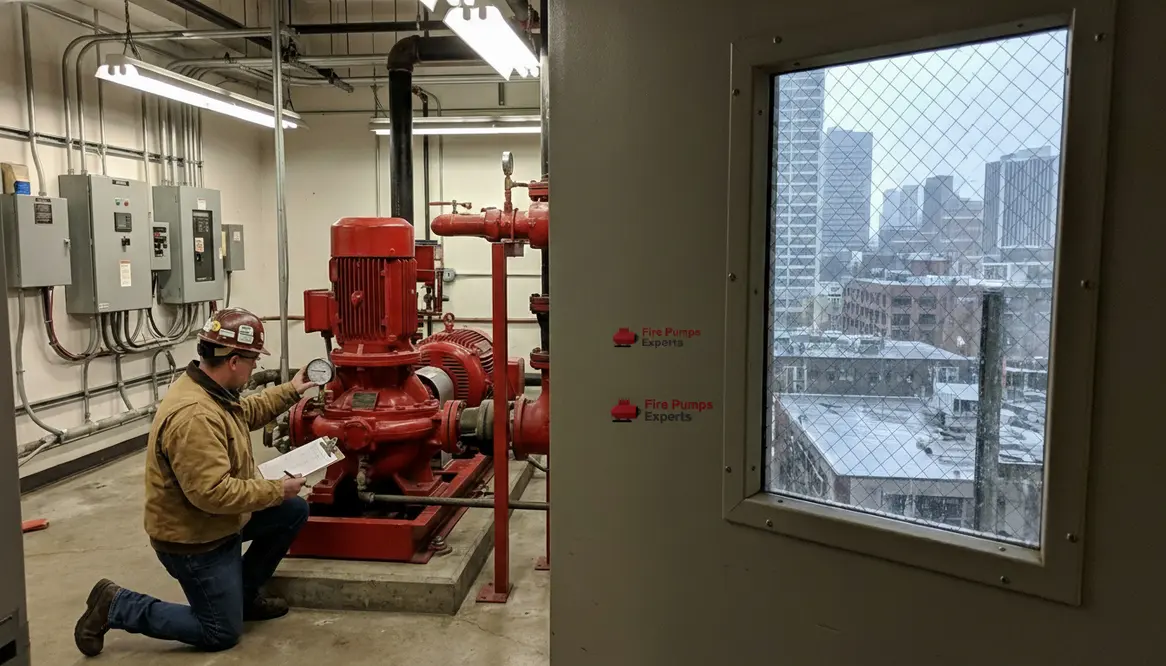
Fire Pump Inspection and Testing Requirements Seattle
How Seattle's high‑rise skyline, wet climate, and strict enforcement shape the way commercial and industrial buildings care for the most important piece of fire protection equipment they own: the fire pump.
Introduction: Why Fire Pump Reliability Matters in Seattle
I have spent years around fire protection systems, and if there is one piece of equipment I never take lightly, it is the fire pump. When a large commercial tower, hospital campus, or industrial facility faces a fire event, the pump quietly becomes the hero behind the curtain. Sprinklers only work if water moves with power and pressure.
That is where fire pump inspection and testing requirements Seattle come into play. Seattle follows national standards like NFPA 25, yet it also layers in local expectations that building managers must respect. Consequently, facility teams cannot simply check a box once a year and call it good. Instead, consistent inspections, documented testing, and clear maintenance procedures keep these systems ready for the moment nobody wants to see.
And believe me, when a fire pump starts during an emergency, it should run like a seasoned jazz musician hitting every note perfectly. No hesitation. No drama. Just smooth performance.
Seattle Puts Your Pump On a Schedule
If you manage a high rise, medical facility, or industrial campus, the fire pump is not optional insurance. It is an enforceable promise. Weekly, monthly, and annual testing prove you are keeping that promise when inspectors, insurers, and tenants come knocking.
Think of fire pump inspection and testing requirements Seattle as your operating system: ignore updates, and things eventually break at the worst possible time.
Understanding Fire Pump Inspection and Testing Requirements Seattle
Seattle aligns closely with NFPA 25, the national standard for the inspection, testing, and maintenance of water based fire protection systems. However, local enforcement focuses heavily on documentation, reliability, and accountability within large commercial properties.
I often tell property managers that NFPA 25 sets the rhythm while Seattle sets the tempo. The music is the same, but the city expects you to keep time perfectly.
In practice, the fire pump inspection and testing requirements Seattle emphasize several key areas.
- Weekly visual inspections of pump assemblies, controllers, valves, and gauges
- Monthly churn tests to verify the pump starts and maintains pressure
- Annual flow testing to confirm the pump delivers its rated capacity
- Controller verification including power supply checks and alarm functions
- Accurate documentation available for review by inspectors and fire officials
Furthermore, these tasks must be performed by qualified technicians who understand complex commercial systems. A small oversight in a pump room can cascade into a major compliance issue during an inspection.
Seattle inspectors do not enjoy surprises. And neither do insurance carriers.
What Search Prompts Usually Ask: How Often Should Commercial Fire Pumps Be Tested?
If someone asked an online tool about pump testing schedules for large facilities, the answer would land very close to NFPA 25 guidance. Fortunately, that standard also forms the backbone of Seattle enforcement.
I usually break the schedule down like this.
Weekly
First, I perform a visual check of the pump room. I confirm there are no leaks, no unusual vibrations, and no blocked valves. Even something as simple as a closed valve can cripple a fire suppression system.
Monthly
Next comes the churn test. I start the pump and allow it to run without water flow while monitoring pressure and mechanical behavior. This step confirms the system will start automatically when needed.
Annually
Finally, the full flow test verifies the pump can deliver its rated performance under load. This is where flow meters, hoses, and calibrated gauges take center stage.
Think of it like a yearly physical for the heart of your fire protection system. Except this heart is the size of a refrigerator and a lot louder.
NFPA 25 vs Local Seattle Expectations
Although NFPA 25 provides the national standard, Seattle officials often expect tighter operational discipline from large commercial properties.
For example, documentation must remain organized and accessible. Inspectors commonly review test records during compliance audits, particularly in high rise buildings, hospitals, data centers, and industrial campuses.
Additionally, facility teams must address deficiencies quickly. NFPA allows certain correction timelines, yet Seattle fire officials often expect prompt follow through once a problem appears.
Seattle's Unwritten Motto
That means a failed pressure reading or delayed start cannot sit quietly in a maintenance log for months. Instead, it becomes an immediate repair priority.
In other words, if NFPA 25 says "maintain the system," Seattle essentially replies, "prove it." That mindset sits at the core of fire pump inspection and testing requirements Seattle property teams work under every day.
Key Components Inspectors Focus On in Large Buildings
Mechanical Components
- Pump casing and impeller condition
- Suction and discharge gauges
- Relief valves and circulation lines
- Pump bearings and seals
- Diesel engine condition if applicable
Control and Power Systems
- Automatic start signals
- Controller programming
- Emergency power supply
- Alarm communication
- Transfer switch operation
When I walk into a pump room, I treat it like the engine room of a ship. Everything must work together in harmony. A pump that performs perfectly during installation can still drift out of spec over time.
Therefore, routine inspection prevents small mechanical quirks from turning into big operational failures.
Also, let us be honest. Pumps do not magically maintain themselves. If they did, maintenance teams everywhere would have a lot more free time and probably a much better coffee break schedule.
Common Compliance Mistakes in Commercial Facilities
- Incomplete testing documentation
- Skipped weekly inspections
- Outdated performance curves
- Controller alarm issues left unresolved
- Improper annual flow testing setup
Additionally, some properties rely on general maintenance teams instead of trained fire pump specialists. While those teams work incredibly hard, fire pumps require deep knowledge of hydraulic performance and system integration.
Large commercial buildings especially depend on pumps that interact with extensive sprinkler networks, standpipe systems, and emergency power infrastructure. Consequently, experienced technicians become essential.
When a pump starts during an emergency, nobody wants to discover the maintenance plan was based on guesswork.
This is why owners often lean on specialists who live and breathe code requirements. For example, NFPA 20 design and performance standards are broken down in detail in resources like Kord Fire's overview of fire pump systems at https://kordfire.com/how-nfpa-20-regulates-fire-pump-systems/, which complements the ongoing fire pump inspection and testing requirements Seattle enforces once your system is in service.
High Rise and Industrial Facilities: Where Requirements Get Real
Seattle's Complex Buildings
Seattle contains many structures that demand robust fire protection. High rise towers, medical centers, research labs, shipping terminals, and manufacturing plants all rely heavily on properly maintained pumps.
In these environments, inspectors focus on operational readiness rather than minimal compliance.
High Rise Challenges
For example, high rise buildings often require multiple pumps, pressure zones, and backup power systems. Therefore, testing procedures must confirm that each component activates correctly under simulated fire demand.
Industrial Complexity
Industrial facilities present another layer of complexity. Many contain large hazard areas, flammable materials, or extensive sprinkler coverage. Consequently, pump performance must support high water demand across wide distribution systems.
Why Enforcement Is So Intense
Because of these challenges, Seattle authorities take pump reliability seriously. They understand that when a major building experiences a fire event, the pump is not just equipment.
It becomes the difference between a controlled incident and a headline on the evening news. That is why fire pump inspection and testing requirements Seattle regulators enforce feel strict: they are.
FAQ: Fire Pump Inspection and Testing
Facility managers tend to ask similar questions once they realize how much is riding on their pump. Here are some of the most common.
Conclusion
Keeping a fire pump ready is not glamorous work, yet it protects entire buildings when emergencies strike. If you manage a commercial or industrial property in Seattle, consistent inspections, proper documentation, and expert testing make all the difference.
The heart of the matter is simple: the more complex your building, the more disciplined your approach to fire pump inspection and testing requirements Seattle needs to be. Weekly checks, monthly churn tests, and annual flow tests are not bureaucratic hurdles. They are the rehearsal schedule that makes sure the system performs on opening night.
Our specialists help large facilities stay compliant, reliable, and prepared. Reach out today to ensure your fire pump system performs exactly when it matters most, so that in the middle of an incident, your only surprise is how smoothly everything works.