Seattle Fire Pump Annual Testing What to Expect Retest
Seattle Fire Pump Annual Testing What to Expect Retest for Large Buildings
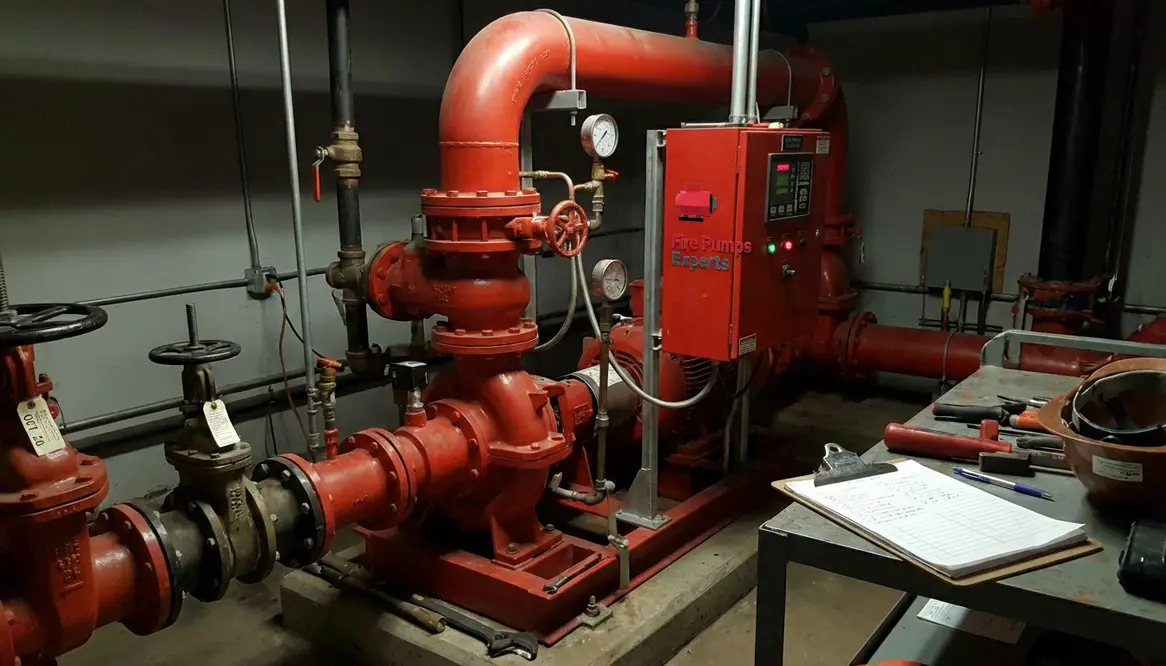
I have spent a good portion of my career walking into mechanical rooms that hum like the engine room of a starship. Pipes the size of tree trunks. Motors that could power a small town. And sitting at the center of it all is the fire pump. Quiet. Patient. Waiting for the day it might save a building.
When clients ask me about seattle fire pump annual testing what to expect retest, they usually picture a quick inspection and a clipboard. In reality, it is more like a carefully choreographed performance. Every valve, gauge, controller, and relief line plays a role. And when the test starts, the pump does not whisper. It roars.
For commercial towers, manufacturing facilities, data centers, and large industrial properties across Seattle, this annual test is not optional theater. It confirms that the system will move massive volumes of water the exact moment a sprinkler system demands it. Therefore, understanding the process makes the experience far less mysterious and a lot more productive.
Let me walk you through what really happens during the test, why a retest sometimes follows, and how facility teams can prepare without losing sleep or their weekend.
Seattle Fire Pump Annual Testing What to Expect Retest Inside a Mechanical Room
The moment I arrive at a large property for testing, I start with a simple goal. Verify that the pump can deliver the pressure and flow it promised when it was installed. However, the process takes more than flipping a switch.
First, I review the system layout with the building engineer. In large commercial and industrial properties, the fire pump usually supports complex sprinkler networks across many floors or production zones. Therefore, I confirm isolation valves, discharge routes, and test headers before anything begins.
Next, we perform a visual inspection. I check the pump casing, controller panel, relief valves, gauges, and suction supply. Even something small like corrosion on a fitting can signal larger issues. Meanwhile, the controller logs tell a story of past starts, voltage behavior, and alarms.
Then comes the main event. The pump test itself.
We run the pump through a performance curve test using calibrated gauges and flow measurement equipment. In simple terms, we test the pump at multiple flow levels to confirm it performs within the original design range. The pump should meet three main benchmarks.
- Churn pressure with no flow
- Rated flow and pressure
- Peak flow at around one hundred fifty percent capacity
When that pump spins up, the room fills with the kind of deep mechanical hum that would make Darth Vader nod in approval. And honestly, that sound is reassuring. It means the system is awake and ready.
If everything lands inside the acceptable performance range, the annual test passes. If not, that is when the retest conversation begins.
What Happens During the Pump Flow Test
Many facility managers ask me what actually happens during the testing process. The short answer is controlled water movement. The longer answer is a bit more interesting.
During the test, we direct water through the fire pump test header or flow meter assembly. This allows us to measure how the pump performs without flooding the building or launching a surprise fountain in the parking lot.
First we establish churn conditions. The pump runs with little to no water flowing out. This step confirms baseline pressure and ensures the pump starts correctly from the controller.
Next we increase flow gradually. Technicians open test header valves in stages while we monitor pressure readings and flow rates. Because each step pushes the pump closer to its rated output, the data reveals whether the system still performs like it did on day one.
Meanwhile, we watch for vibration, overheating, unusual noise, and pressure drops. Fire pumps are tough machines, yet they still reveal stress if something inside is wearing down.
By the end of the test we have a full performance snapshot. Think of it as a physical exam for a piece of equipment that protects millions of dollars in property.
Why a Retest Sometimes Becomes Necessary
Even a strong pump can stumble. When results fall outside acceptable limits, the system requires correction and a follow up evaluation. That follow up is where seattle fire pump annual testing what to expect retest becomes especially important.
In large commercial properties, several factors can trigger a retest.
- Pressure readings outside manufacturer tolerance
- Controller startup delays
- Electrical supply inconsistencies
- Obstructions or restrictions in suction piping
- Worn impellers inside the pump
Sometimes the cause is surprisingly simple. I once saw a test fail because a suction valve was not fully open. The pump was basically trying to drink water through a coffee straw. Not ideal.
However, more complex problems do appear. Motor alignment, impeller wear, or system pressure relief issues may require mechanical adjustment before a retest.
Once repairs are complete, the pump runs through the same testing process again. The goal is simple. Prove that the system now performs within the required performance curve.
Preparing Your Facility Before Testing Day
Large commercial buildings and industrial sites run smoother when the engineering team prepares ahead of time. Therefore I always recommend a few practical steps before the annual test.
Before the Technician Arrives
- Confirm clear access to the pump room
- Verify suction and discharge valves remain fully open
- Check controller power supply and breakers
- Review past inspection notes
- Notify building operations teams
Why This Preparation Matters
- Reduces delays during testing
- Prevents false failures caused by valve position
- Helps technicians focus on performance data
- Improves safety for everyone involved
- Keeps the testing window efficient
These steps may sound simple. However, in a high rise or manufacturing complex, coordination matters. Water flow tests can move thousands of gallons per minute. Therefore planning prevents operational surprises.
And trust me, no facility manager enjoys explaining to executives why a parking lot suddenly resembles a scene from Titanic.
How This Testing Protects Large Properties
In Seattle, commercial towers, hospitals, industrial plants, and distribution centers rely on fire pumps to maintain water pressure during emergencies. City water pressure alone cannot support sprinkler demand in tall or expansive structures.
That is why the annual evaluation matters so much.
The process behind seattle fire pump annual testing what to expect retest confirms three critical things. First, the pump starts instantly when pressure drops. Second, it produces the designed flow rate across the building. Third, the supporting components such as controllers, valves, and relief systems respond correctly.
Without this verification, a pump failure might remain hidden until the worst possible moment.
Think of it like the Bat Signal. You do not test it during the villain attack. You test it long before Gotham needs it.
For major properties with complex fire protection infrastructure, that reliability protects occupants, assets, and business continuity all at once.
If you want a deeper overview of routine pump inspections, NFPA expectations, and why consistent testing matters, resources like Kord Fire Protection’s guide to routine fire pump inspections at https://kordfire.com/routine-fire-pump-inspections-and-their-importance/ provide a solid technical backdrop behind the on-site work you see during testing day.
FAQ About Fire Pump Testing in Seattle
Keeping Your Fire Pump Ready When It Matters Most
Fire pumps protect the lifeblood of major buildings. Data centers, high rise towers, manufacturing plants, and logistics hubs all depend on reliable water pressure when emergencies strike. Understanding seattle fire pump annual testing what to expect retest helps facility teams stay prepared rather than surprised.
If your property needs professional testing or a performance retest, the specialists at FirePumps.org can help evaluate your system, correct performance issues, and ensure your pump stands ready the moment it is needed. Because when the alarm sounds, your fire pump should respond like a hero, not a hesitant side character.