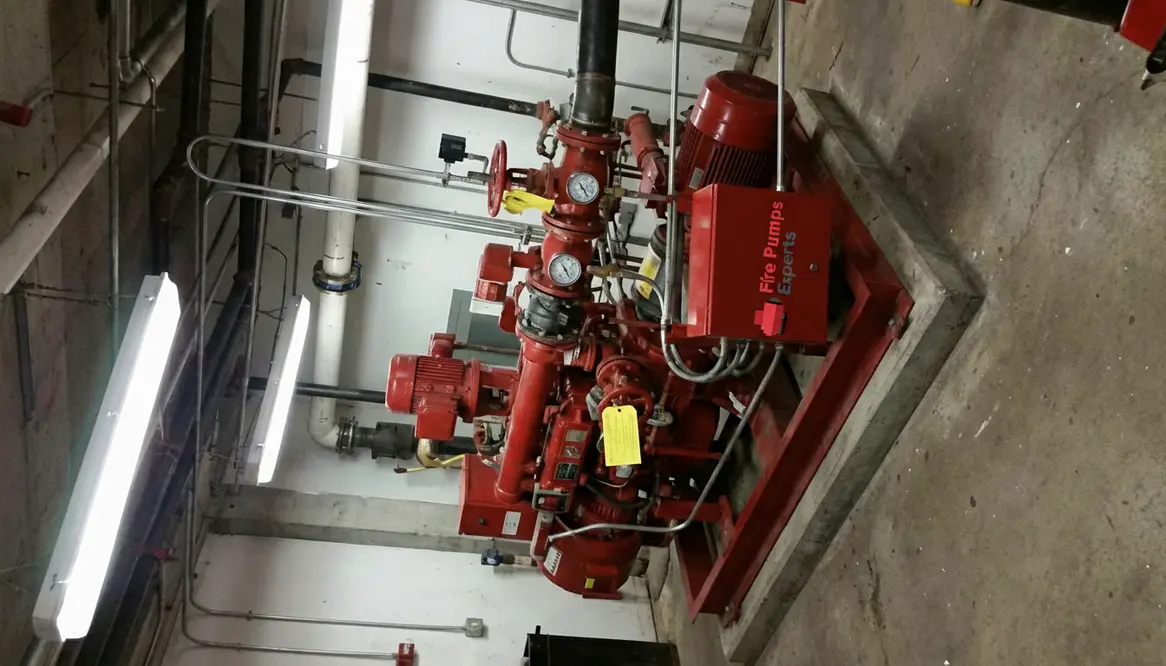
Fire Pump Permit and Inspection Seattle Steps Guide
I have spent a good part of my career around mechanical rooms, concrete floors, and the steady heartbeat of life safety equipment. Somewhere in that quiet hum sits one of the most important pieces of protection a large building can have: the fire pump. And if you operate or build a commercial or industrial facility in the Pacific Northwest, the phrase fire pump permit and inspection Seattle steps new installs alterations becomes more than paperwork. It becomes the roadmap between installation and legal operation.
Seattle does not treat fire protection casually. The city expects precision, documentation, and inspections that confirm every pump will perform when things go sideways. Today I will walk through how the permitting and inspection process works for large commercial properties, new installations, and system alterations. Think of it as a behind the scenes tour of how Seattle ensures a fire pump does not just exist, but actually shows up ready for action when needed. Quiet most days. Extremely useful when things get dramatic.
In Seattle, a fire pump is more than equipment
- It is engineered to match real building demand, not wishful thinking.
- It is reviewed, permitted, and documented before it ever spins up for service.
- It is tested under real flow conditions so it can push water like it just drank three espressos when the alarm sounds.
If you get the steps right, the rest of your fire protection strategy has a solid backbone. If you get them wrong, Seattle’s inspectors will let you know quickly.
Why Seattle Takes Fire Pump Compliance Seriously
Seattle is a dense city with tall structures, large campuses, and industrial sites that operate around the clock. Because of that, the fire department and construction authorities rely heavily on strict permitting and inspection standards. A fire pump in a high rise, hospital, port facility, or manufacturing plant cannot be a guess. It must be engineered, documented, installed, and verified.
First, the permit ensures the system design meets Seattle Fire Code and NFPA 20 standards. That means the pump sizing, driver type, water supply, controllers, and test headers must all match the building demand. Without that alignment, even a powerful pump becomes little more than an expensive decoration.
Second, inspections confirm the installation matches the approved plans. In other words, the blueprint is the promise and the inspection proves the promise was kept.
Finally, alterations receive just as much attention as new systems. Changing a pump, modifying piping, or adjusting capacity can affect the entire fire protection strategy of a facility. Seattle wants proof that those changes still support the building’s sprinkler and standpipe requirements.
So yes, the process involves paperwork. But the purpose is simple. When a fire alarm sounds in a major commercial building, the pump must wake up instantly and push water like it just drank three espressos.
Fire Pump Permit and Inspection Seattle Steps New Installs Alterations Explained
When I guide property managers or contractors through this process, I break it down into a sequence that mirrors how Seattle reviews and verifies fire protection work. Think of the full fire pump permit and inspection Seattle steps new installs alterations workflow as a checklist: design it correctly, permit it clearly, install it precisely, and test it thoroughly before the city ever shows up.
1. Engineering and system design
The process begins with professional fire protection engineering. Designers calculate system demand, building height, pressure requirements, and available water supply. For large commercial structures, these calculations determine pump horsepower, flow rate, and driver type.
Next, detailed drawings show:
- Pump specifications
- Controller location
- Suction and discharge piping
- Backflow prevention
- Test header configuration
- Electrical supply and transfer switches
These drawings form the backbone of the permit application.
2. Permit submission to Seattle authorities
Once plans are complete, they are submitted to the Seattle Department of Construction and Inspections along with fire department review requirements. This stage confirms the design aligns with both building code and fire code.
Reviewers evaluate hydraulic calculations, equipment listings, and system layout. If something feels off, corrections come back quickly. Seattle reviewers have seen every possible shortcut before. Trying to sneak something past them usually works about as well as trying to outrun traffic on Interstate 5 during rush hour.
3. Installation by qualified contractors
After approval, installation begins. Commercial and industrial projects typically involve coordinated work between sprinkler contractors, electrical teams, and mechanical specialists.
During installation, the pump foundation, alignment, and piping layout must match the approved plans. Small changes without approval can trigger delays later during inspection.
4. Pre-inspection testing
Before the city inspector arrives, contractors conduct internal acceptance testing. This step verifies controller operation, churn pressure, flow rates, and alarm signals.
Think of it like rehearsing before opening night. The inspector is not there to help you practice lines.
What Happens During a Seattle Fire Pump Inspection
The inspection stage is where everything proves itself. Seattle inspectors examine both the physical installation and operational performance of the pump.
First, they review documentation. This includes approved plans, equipment listings, and hydraulic calculations. The goal is simple. Confirm the installed equipment matches what the permit authorized.
Next, they check the installation environment. Pump rooms must meet clearance requirements, ventilation needs, and lighting standards. Electrical connections, controller labeling, and emergency power integration also receive close attention.
Then comes the performance testing.
The pump runs through several flow conditions using calibrated gauges and test headers. Inspectors verify:
- Rated flow capacity
- Pressure performance
- Controller startup
- Alarm signal activation
- Power transfer operation
If everything performs as expected, approval follows. If not, corrections must happen before re-inspection. In large commercial properties, that can affect occupancy approvals or operational timelines, so preparation matters.
Common Alterations That Trigger Fire Pump Permits
Many building owners assume permits only apply to brand new systems. However, the fire pump permit and inspection Seattle steps new installs alterations process applies to several types of system modifications.
Alterations often occur during building expansions, tenant improvements, or infrastructure upgrades. Even small changes can influence system performance.
Typical modification triggers
- Pump replacement
- Motor or diesel driver changes
- Controller upgrades
- Piping reconfiguration
- Capacity adjustments
- Water supply changes
Why permits are required
- Maintain hydraulic balance
- Ensure code compliance
- Verify electrical safety
- Confirm fire department integration
- Protect sprinkler performance
- Document system reliability
Because of these impacts, Seattle treats alterations almost like a new installation review. Engineers update calculations, contractors adjust plans, and inspectors verify the final configuration.
In other words, swapping a pump is not like replacing a coffee maker in the break room. It changes the backbone of the entire fire suppression system. A smart approach is to treat every change as if you are running through the same fire pump permit and inspection Seattle steps new installs alterations checklist you would for a brand new project.
How Property Managers Can Avoid Inspection Delays
Over the years I have watched smooth projects glide through inspection and others stall for weeks. The difference usually comes down to preparation.
- Keep design and field work aligned. Maintain coordination between design engineers and contractors. If field changes occur, update the drawings before inspection. Inspectors appreciate honesty and documentation far more than surprises.
- Rehearse the test. Complete internal flow testing before scheduling the city visit. When gauges, controllers, or valves fail during official testing, the clock resets quickly.
- Stage the paperwork. Keep documentation ready in the pump room. Approved plans, equipment listings, and test records should be easily accessible.
- Use local expertise. Work with experienced fire protection specialists familiar with Seattle requirements. Local codes sometimes include regional adjustments that out of town teams may overlook.
When these details align, inspections often move smoothly. And when they do, the entire building moves one step closer to full operational readiness.
If you want a deeper technical background on how fire pumps are expected to perform, reviewing a resource like the NFPA 20 overview at Kord Fire’s fire pump systems guide pairs nicely with Seattle’s permitting expectations.
FAQ: Fire Pump Permits and Inspections in Seattle
The questions below show up on nearly every project that touches a fire pump. They are also the same questions inspectors, owners, and contractors ask when they are trying to keep a schedule on track and a system compliant.
Keeping Your Fire Pump Project Moving Forward
When handled correctly, the fire pump permit and inspection process in Seattle becomes less of a hurdle and more of a structured path toward reliable fire protection. For commercial towers, industrial complexes, and large facilities, every step from engineering to final testing ensures the pump will perform when it matters most.
If your property is planning a new installation or system alteration, working with specialists who understand Seattle compliance can save time, prevent costly corrections, and keep your project moving forward with confidence. The full fire pump permit and inspection Seattle steps new installs alterations sequence may feel detailed, but each requirement exists to turn a quiet mechanical room into a reliable line of defense when alarms go off.
In the end, a successful fire pump project looks almost boring from the outside: permits approved, inspections passed, logs up to date, and a pump that hums along in the background. Boring is exactly what you want on the day it is called into service.